“The Secret Route” for Oil Exports Through the Strait of Hormuz: Media Outlets Explain How the Scheme Works
17 August 09:10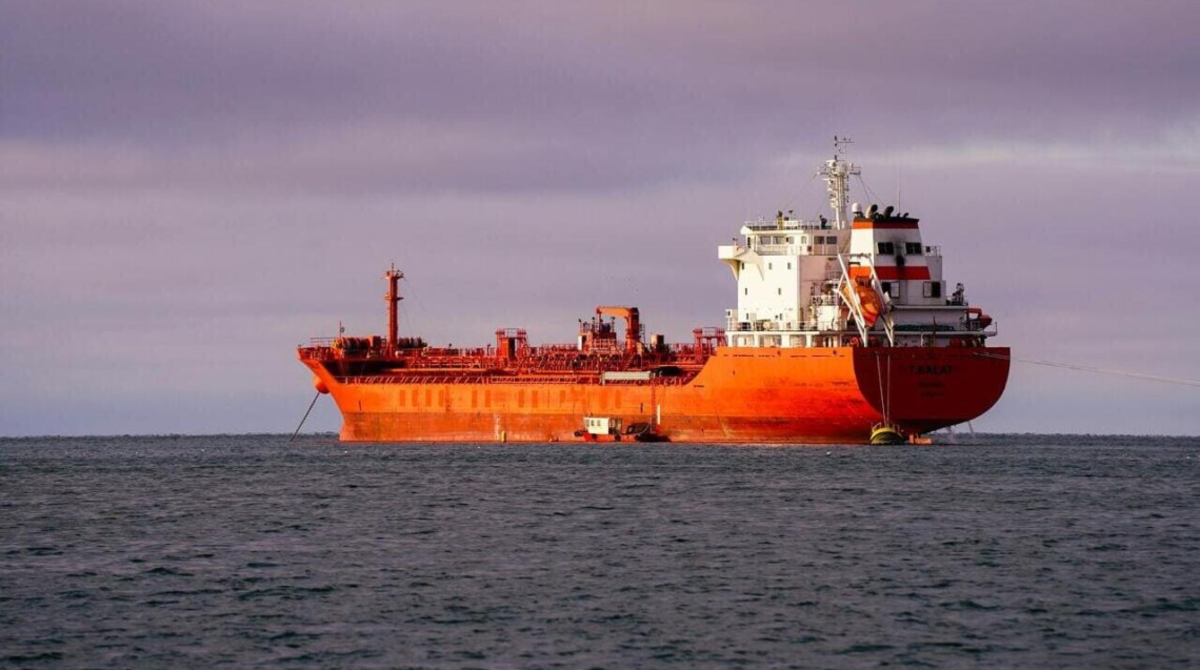
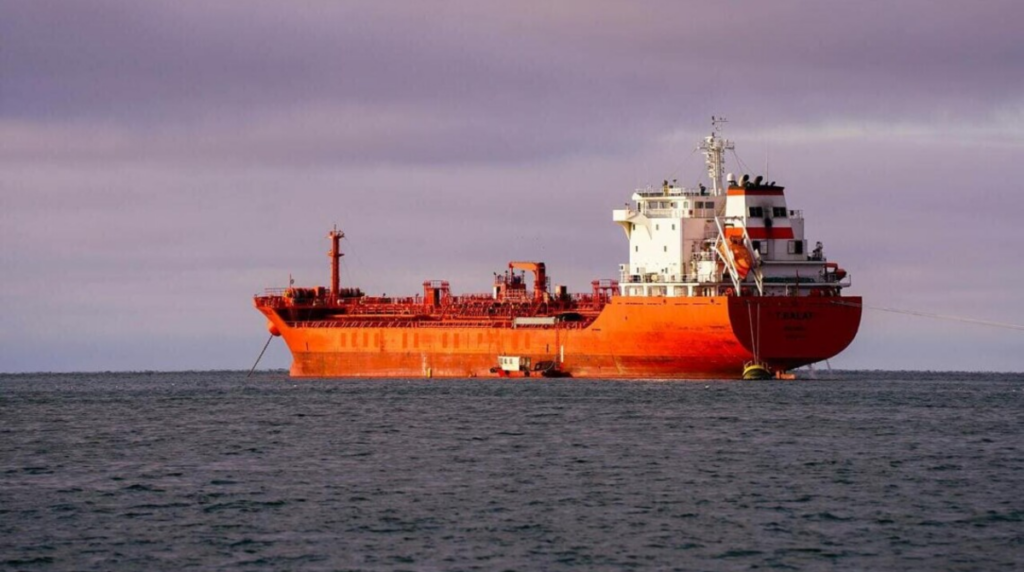
The Persian Gulf countries have established a scheme for covertly transporting oil through the Strait of Hormuz and subsequently transshipping it onto tankers in the Gulf of Oman, despite Iran’s regular attacks on ships, Bloomberg reports, according to "Komersant Ukrainian".
“According to the agency’s sources, the covert passage of tankers has become a vital supply channel for global markets, which were bracing for a much more severe supply shortage following the outbreak of war in the Middle East,” the report states.
The publication notes that the situation for regional producers remains tense, as ships continue to come under attack even under the protection of military vessels.
“Shuttle shipments have been ongoing for several months now, but it is difficult for both traders and analysts to track exactly how much oil these ‘shadow’ vessels are transporting, as crews, out of safety concerns, reveal almost no information about the ships’ locations. According to sources, the volume of such shipments exceeds 4 million barrels per day, but the sources did not specify exactly by how much,” the report states.
According to vessel monitoring data, oil is being transported via this scheme by the UAE, Iraq, Qatar, and Kuwait.
“The scale of the operation is confirmed by the European Union’s Sentinel-1 satellites. Currently, there are about 150 vessels in the roadstead off the coast of Oman—ranging from large oil tankers to bulk carriers—while in January there were about 40. Most of them are waiting to transship oil from tankers passing through the strait with their transponders turned off,” the publication reports.
In particular, the UAE’s national oil company, Adnoc, has already sold about 135 million barrels of oil to buyers around the world and announced a new round of sales.
Despite this, transportation involves significant risks. Since the start of the conflict, 23 Adnoc vessels have been attacked; as a result, one crew member was killed and 20 were injured. Sources claim that the actual number of incidents in the strait exceeds the officially acknowledged figure.
Watch us on YouTube: important topics – without censorship
What Led Up to This
On August 13, U.S. Secretary of Defense Pete Hagseth stated that the U.S. military has sufficient resources to maintain a naval blockade of Iran for an indefinite period. According to him, U.S. ships can rotate in the region as needed.
U.S. strikes, which have been carried out for many months and have targeted Iran’s leadership and inflicted significant damage on its military capabilities—particularly its naval forces—have failed to weaken Tehran’s control over the Strait of Hormuz.
In late July, after nearly two weeks of daily attacks, Donald Trump ordered the U.S. military to halt the bombing of Iran.
Following this, officials in Tehran stated that they continue to control the Strait of Hormuz and have no intention of resuming peace talks with the United States.
On July 29, The Wall Street Journal, citing informed sources, reported that the commander of U.S. Central Command (CENTCOM), Admiral Brad Cooper, had developed a plan for a large-scale air campaign against Iran that could last between 10 and 14 days.
On August 1, the U.S. State Department advised American citizens in the Middle East to “consider leaving or be prepared to leave in the event of an escalation of the conflict.”
Read us on Telegram: important topics – without censorship