Trump asked Xi Jinping to help end the war in Ukraine: what we know
1 June 23:50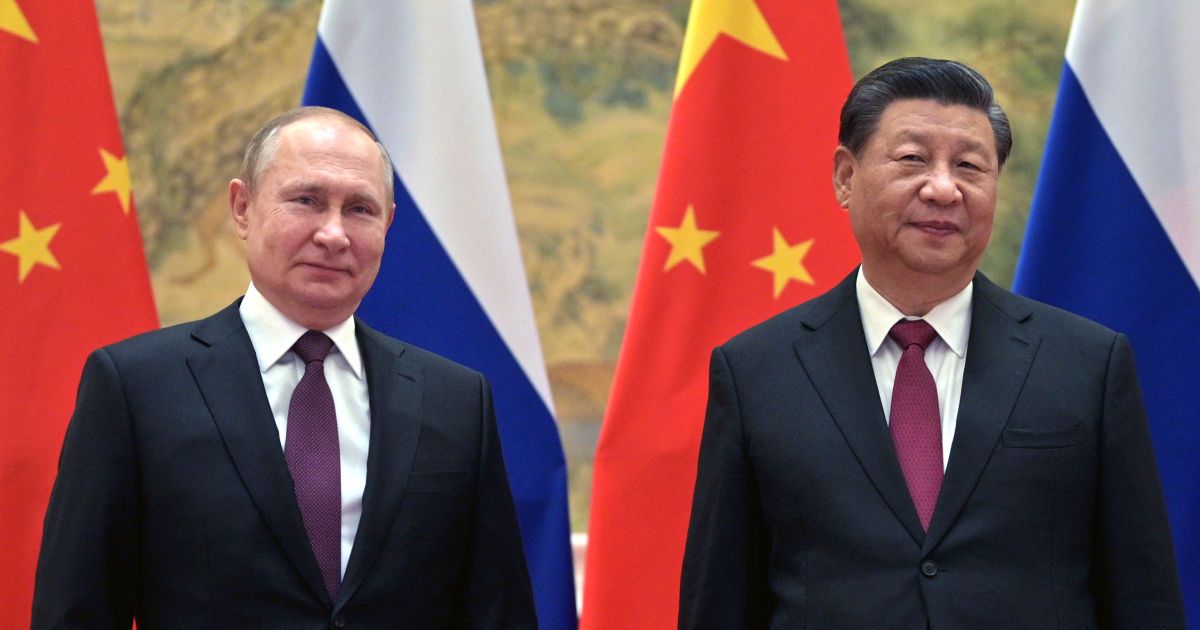
During the summit in Beijing, U.S. President Donald Trump personally asked Chinese leader Xi Jinping to help stop Russia’s war against Ukraine. This was reported by the South China Morning Post, citing several sources familiar with the negotiations, according to
According to the publication, Trump believes that negotiations between Kyiv and Moscow have reached an impasse and is counting on China’s influence on the Kremlin.
According to the SCMP, Trump directly urged Xi Jinping to use his influence on Kremlin dictator Vladimir Putin to bring him back to the negotiating table with Ukrainian President Volodymyr Zelenskyy.
The publication presents this as one of the key topics of the closed-door portion of the talks at the Beijing summit, which took place in May.
The publication also emphasizes that this move signals Washington’s willingness to engage Beijing in resolving the war, despite the complex relationship between the U.S. and China on other issues.
Did other agencies confirm this?
After the Beijing summit, Reuters reported that Trump spoke with Xi about the war in Ukraine and stated that both leaders want to see an end to the fighting.
At the same time, Reuters did not provide the same level of detail as the SCMP regarding Trump’s direct request to influence Putin.
Additionally, following the talks, the Chinese side signaled its readiness to participate in diplomatic efforts. Citing Xinhua, it was reported that China had expressed its willingness to facilitate a political resolution to the war in Ukraine.
Russia and China: A Course Toward Deeper Integration
Recent years have shown a noticeable rapprochement between Russia and China—both politically and economically. Political analyst Ruslan Bortnik believes that the world is witnessing “further synchronization of Russian and Chinese policies,” which is gradually shaping a new model of international relations.
In a comment
Watch us on YouTube: important topics – without censorship
Trump’s Visit to China
Less than a week ago, on May 14, Xi Jinping held talks in Beijing with U.S. President Donald Trump. Donald Trump’s trip to China marked the first visit by a U.S. president to the country since 2017. The American side had hoped for tangible agreements that could strengthen the White House leader’s position amid the domestic political agenda. However, as the negotiators note, no significant progress was made.
During the meetings in Beijing, trade relations and potential economic agreements were discussed, but the parties’ approaches differed markedly.
Trump emphasized quick results and concrete agreements, while Xi Jinping spoke of long-term stabilization of relations between the countries.
According to sources speaking to Reuters, the Chinese leader proposed a new definition of bilateral ties as “constructive strategic stability,” moving away from previous rhetoric about strategic competition.
Special attention during the talks was given to the situation surrounding Iran. Despite the discussions, the U.S. did not receive any additional commitments from China regarding its influence on Tehran.
The American side stated a similar view on the need to stabilize the situation, but no specific steps were agreed upon.
The issue of Taiwan became a key element of the talks. According to Trump, Xi Jinping stated his opposition to the island’s independence and warned of possible consequences in the event of an escalation.
Xi and Putin are increasingly positioning themselves as the vanguard of a new international order amid concerns about the current world order during Trump’s second presidential term.
Read us on Telegram: important topics – without censorship