Summer airfare prices: Ryanair has revised its forecast
19 May 04:46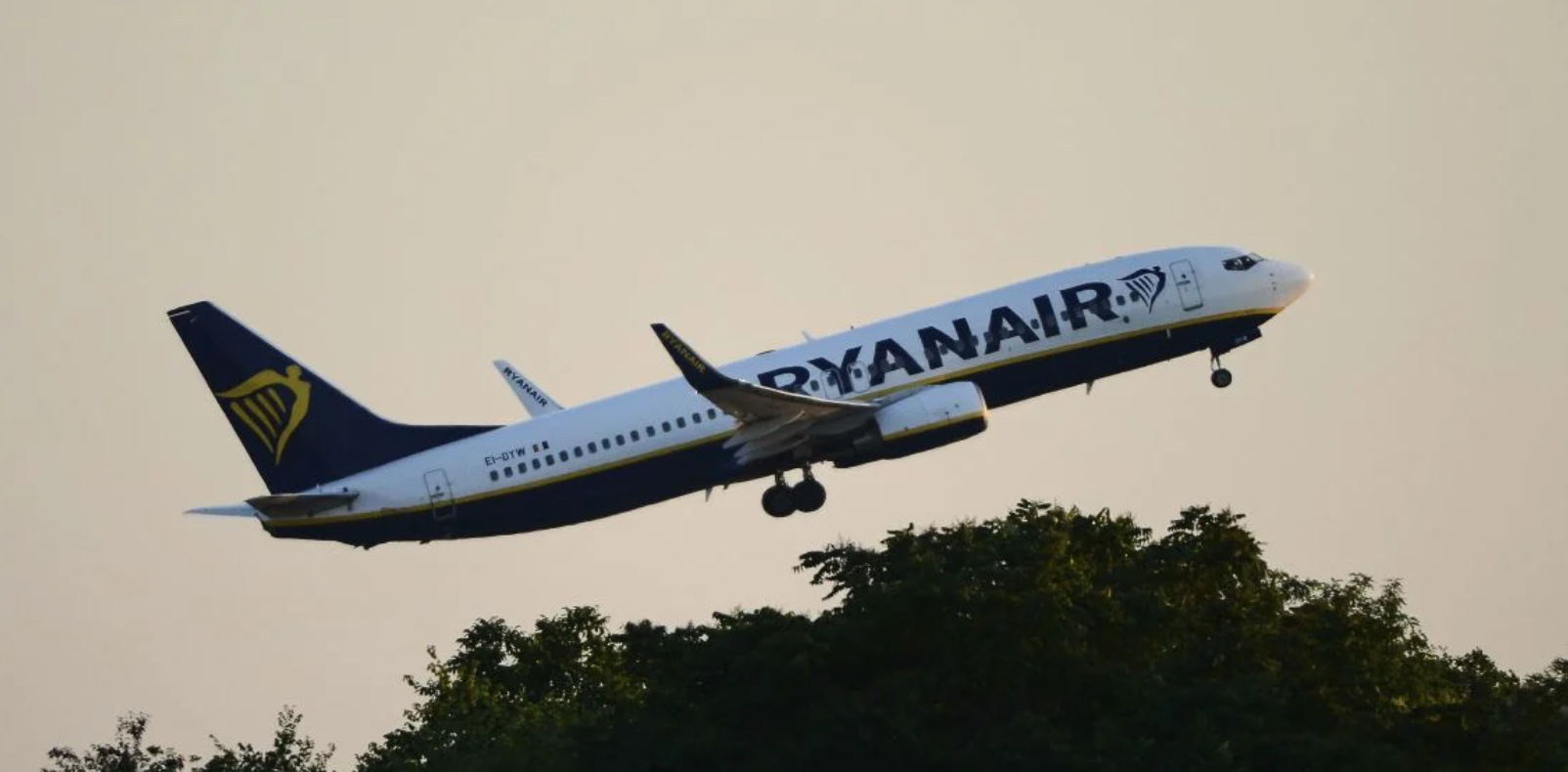
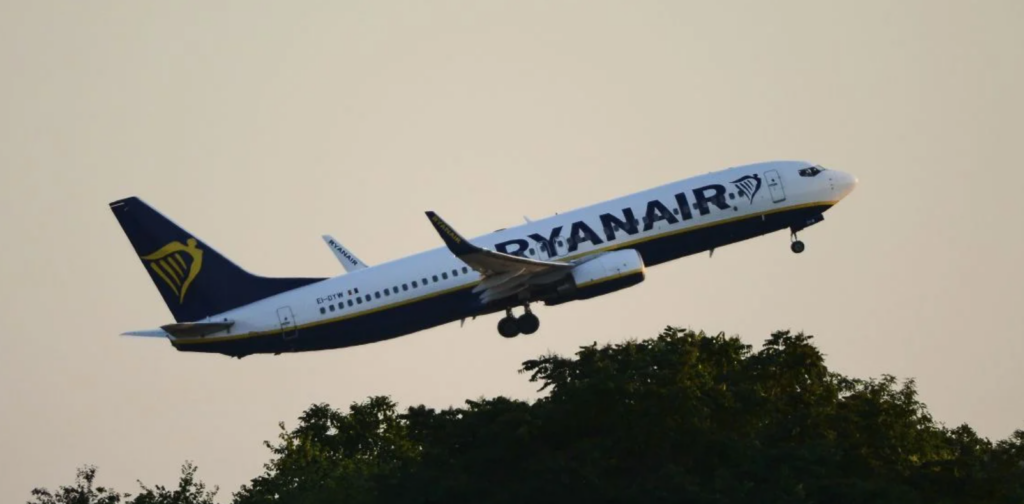
Irish low-cost carrier Ryanair has stated that it has almost no concerns about a potential jet fuel shortage in Europe this summer. At the same time, the airline warns that ticket prices may rise for passengers who wait until the last minute to book.The Guardian reports this, citing statements from Ryanair management, according to "Komersant Ukrainian"
Despite concerns in the tourism industry over the war in Iran and shipping restrictions through the Strait of Hormuz, the company assures that Europe has already found sufficient alternative sources of fuel.
Ryanair does not expect a jet fuel shortage this summer
Ryanair CEO Michael O’Leary stated that just two months ago, there were indeed serious concerns in Europe regarding jet fuel supplies. However, he said the situation has now stabilized significantly.
“Two months ago, there was real concern in Europe. Now we have almost zero concerns about fuel supplies in Europe. The challenge remains the price,” O’Leary said.
According to the company, Europe has sufficient jet fuel supplies thanks to shipments from West Africa, Norway, and the United States.
Why the market feared a fuel shortage
In recent months, the tourism and aviation industries have been concerned about potential fuel supply issues due to the escalating situation in the Middle East.
One of the main risks remains restrictions on shipping through the Strait of Hormuz—a vital route for the global energy market.
As a result, some passengers have begun planning their trips more cautiously, and some tourists are postponing their summer vacation bookings.
Ryanair has hedged most of its fuel needs
Ryanair reported that it has hedged 80% of its jet fuel needs through April 2027 at a price of approximately $67 per barrel.
This means the company has partially protected itself from sharp fluctuations in fuel prices.
However, if prices remain high, the airline’s costs per passenger could rise by about 5%.
Ryanair warned of risks for other airlines
Michael O’Leary stated that he does not expect the war in Iran to last another year or for the Strait of Hormuz to remain closed in the long term.
However, he said that if the conflict drags on for 12 months, it could become a problem for airlines that are less protected against rising fuel prices.
“If this continues for the next 12 months, there will be airline casualties in Europe this winter,” O’Leary said.
Ryanair CFO Neil Soragan also stated that he is increasingly confident there will be no major fuel supply shocks this summer.
Why summer tickets aren’t getting more expensive yet
Ryanair notes that ticket prices have fallen in recent weeks due to uncertainty surrounding the war in the Middle East.
The company expects fares to drop by an average single-digit percentage in the quarter ending in June.
Ryanair has also lowered its forecast for summer flight prices. While the company previously expected moderate fare growth during the peak season, it now forecasts that prices will be roughly on par with last summer.
Passengers are booking trips later
According to Ryanair’s CFO, demand remains strong, but passengers are postponing bookings to later dates.
“Demand is still strong, but people are waiting longer to book, so we don’t have the same visibility for July-September as we usually do,” Soragan explained.
He also warned that those who book tickets at the last minute may face higher fares.
Watch us on YouTube: important topics – without censorship
Travelers are planning their vacations more cautiously
According to the publication, vacationers are more likely to postpone booking summer trips this year and are showing greater interest in domestic travel.
AJ Bell analyst Dan Coatsworth noted that the market remains too fragile for airlines to easily raise prices in response to rising costs.
He said that due to inflation and pressure on consumer budgets, airlines and travel companies are forced to either lower prices or at least keep them at previous levels to maintain demand.
Ryanair’s profit hit a record high
Ryanair reported record after-tax profits of €2.26 billion for the fiscal year ending in March.
At the same time, the company suspended its forecast for the 2027 fiscal year. Ryanair explained that it is too early to make accurate estimates due to potential increases in fuel costs, environmental taxes, and wages.
Environmental taxes will rise
The company also reported that it expects environmental taxes in the EU to rise by €300 million this year—to approximately €1.4 billion.
Ryanair stated that this makes air travel in the EU less competitive.
O’Leary may remain in office until 2032
Ryanair also reported that it is in talks with Michael O’Leary to extend his contract beyond 2028—through 2032.
O’Leary has led the company since 1994. Under the terms of the potential new contract, he would be able to purchase 10 million shares at the market price prior to the Iran war, but only if very ambitious targets for after-tax profit or share price growth are met.
The Situation with Air Travel in the EU
In Europe, there is growing discussion of the risk of a jet fuel shortage and mass flight cancellations right in the middle of the summer vacation season. Some airlines are already considering introducing additional baggage fees. And this is despite the fact that oil prices have not yet peaked, analysts say.
According to data from the analytics firm Circum, the total number of seats available across all airlines in May fell from 132 million to 130 million between mid-April and late April.
“The largest reductions in seats were made by Turkish Airlines (over 500,000), Air China (nearly 500,000), and Germany’s Lufthansa. This airline also canceled nearly 4,000 flights in May—the most among all carriers.”
In total, Lufthansa cut about 20,000 flights between May and October 2026. Air China ranked second in terms of the number of canceled flights, cutting, in particular, domestic flights between Chengdu and Beijing.
Problems are also arising on specific routes. For example, Air France reported that the company was asked not to add flights to Singapore or Tokyo, as these two major transit hubs in Asia are seeking to limit aviation fuel consumption.
“Asia has been hit hardest by disruptions in jet fuel supplies, as it relies more heavily on fuel from the Strait of Hormuz, which remains virtually blocked. In particular, Japan Air reported that the airline’s profits will drop by one-fifth due to rising fuel costs.”
As a reminder, earlier, Airports Council International Europe, which represents over 600 airports and 95% of air traffic in Europe, reported in a letter to European Commissioner for Transport Apostolos Tsitsikostas that European airports could face a systemic shortage of aviation fuel in early May.
The approach of the peak summer season, during which air travel supports the entire tourism ecosystem on which many EU economies depend, has heightened these concerns.
Since the start of the war in the Middle East, the price of jet fuel in Northwestern Europe has risen to $1,573 per ton. Before the war, it was $750 per ton.
Read us on Telegram: important topics – without censorship