Tuapse and beyond: the next critical target for attacks on Russian oil refineries has been identified
1 May 16:21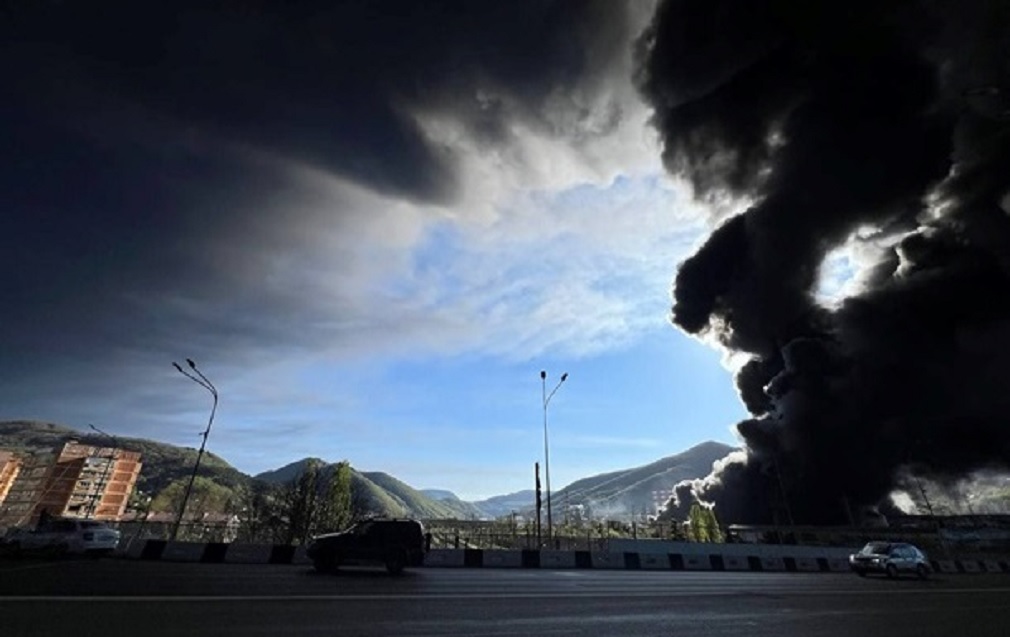
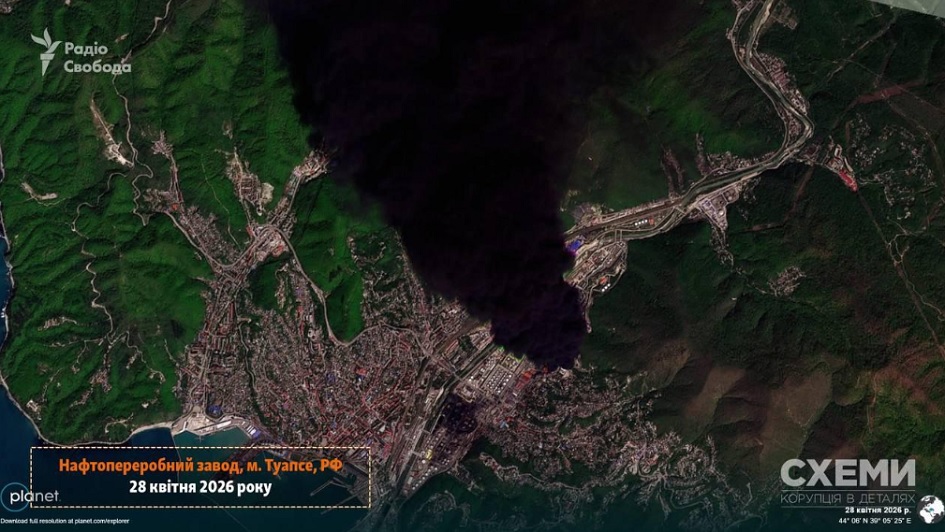
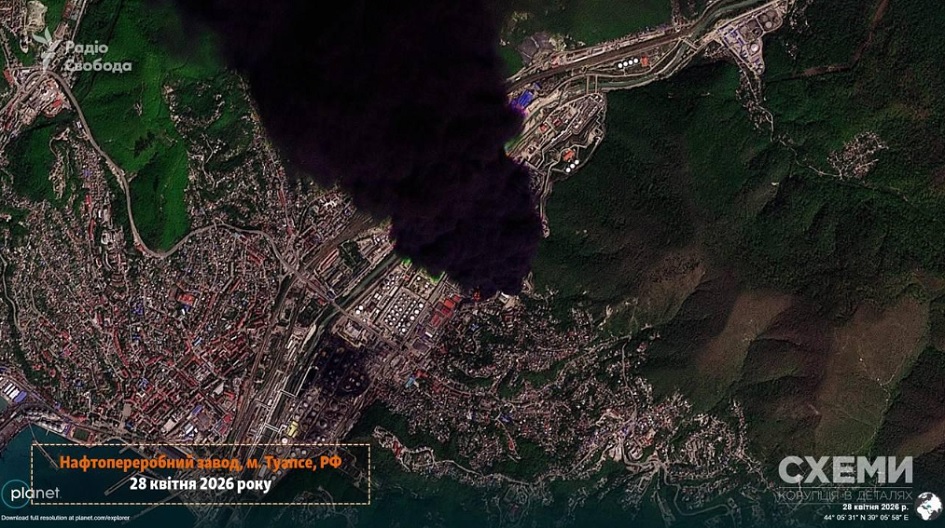
Satellite imagery shows significant damage at the Tuapse Oil Refinery following a recent drone strike.
Once the latest fire at the facility was extinguished, the extent of the destruction became clear: fuel tanks were destroyed and infrastructure elements were damaged. Specifically, four large tanks were completely destroyed, while two smaller ones sustained partial damage.
Strikes on Russia’s oil refining industry: what revenues are at stake and what Moscow is already losing
Oleg Sarkits, an expert on geoeconomics and international trade, in an exclusive comment for "Komersant Ukrainian" notes that Russia’s oil refining industry comprises about 38 large plants located throughout the country. These facilities produce gasoline, diesel, and other petroleum products for both the domestic market and for export. Before the full-scale war, the EU was the main buyer of Russian petroleum products, but now Turkey, Brazil, and Indonesia have become the key importers.
The key focus is on revenue from the export of refined products, not crude oil.
“If we look at 2024, when there were no massive strikes on infrastructure yet, oil product exports brought Russia about $50–55 billion annually,” the expert explains.
At the same time, a significant portion of these funds directly impacts the state budget, as about 30–40% of this revenue goes to the Russian Federation’s federal budget. Sarkits emphasizes that exporting finished fuel is significantly more profitable than selling crude oil. It is worth noting that the Tuapse Refinery processes about 250,000 barrels per day and is a vital part of the export infrastructure.
What Russia Is Already Losing
Attacks on oil refining have a dual effect: financial and logistical. According to the expert, in 2024, more than 20 oil refining infrastructure facilities were hit—that is more than half of the key facilities. Sarkits says this has led to the loss of about 40% of oil refining capacity.
In numbers, this means:
- a reduction of approximately 2 million barrels of processing per day;
- a decline in export potential;
- a reduction in foreign exchange earnings.
Sarkits emphasizes: if the intensity of the strikes continues, Russia could face a full-blown fuel crisis.
“If the pace of attacks in 2024 were to continue for longer, it would lead to a petroleum products crisis.”
Enterprises near ports are particularly vulnerable—they are the ones that ensure exports and are priority targets.
Which oil refineries remain in Russia and under what conditions will an energy crisis occur
Military expert, retired Ukrainian Armed Forces colonel, and flight instructor Roman Svitan commented to "Komersant Ukrainian" outlined the real state of Russia’s oil refining industry and explained the scale of damage capable of triggering a systemic economic crisis.
According to the expert, just over 30 large oil refineries—the so-called “million-ton refineries”—are of critical importance to the Russian economy, as they account for the bulk of oil processing.
“It is these refineries that determine annual refining figures and serve as the foundation for fuel production for both the domestic market and exports,” Svitan explains.
At the same time, there are several dozen smaller enterprises in Russia, but their impact on the overall picture is limited. The expert emphasizes that the geographical location of refineries plays a decisive role. About two-thirds of large enterprises are located in the European part of Russia—up to the Urals.
“These are precisely the territories we can already reach. In fact, two-thirds of the main plants are within striking distance,” he notes.
This means that a significant portion of critical infrastructure is no longer out of reach.
Which Russian refineries remain key
Among the facilities that remain vital to the industry’s operations, the expert singles out Russia’s largest oil refinery, the Omsk Oil Refinery.
“This is the largest refinery in Russia—it processes about 21 million tons of oil per year and is several times larger than the Tuapse refinery,” says Svitan.
According to him, a significant portion of large enterprises is concentrated in the Ural and Siberian regions, as well as near export infrastructure, particularly ports.
The key question, the expert says, is how many more facilities need to be taken out of commission. According to Svitan, if several dozen such plants are knocked out, then we can speak of a systemic crisis—Russia’s economy will effectively grind to a halt. This is not just about a reduction in production volumes, but about the collapse of the entire export model.
Thus, strikes against Russia’s oil refining industry are not merely tactical attacks on facilities but also systemic pressure on the economy. This entails the loss of tens of billions of dollars in export revenue, a reduction in budget revenues, and disruptions to domestic fuel supplies. In the long term, this creates risks for both Russia’s economic stability and its military logistics.
Watch us on YouTube: important topics – without censorship