The Rada explained why it wants to reduce the number of subjects on the National Multidisciplinary Test
24 July 20:48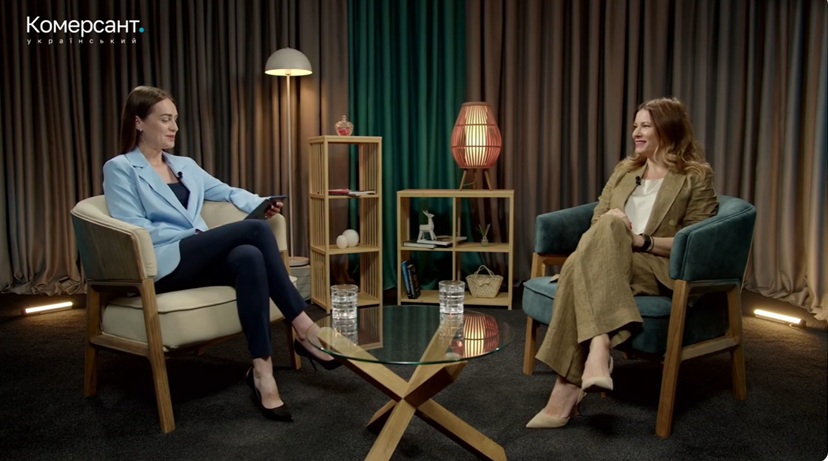 YOUTUBE
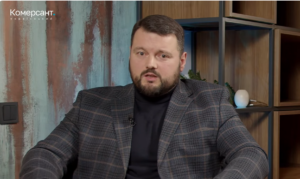
Fifty members of parliament co-sponsored a bill to reduce the number of subjects on the National Multidisciplinary Test (NMT). Yulia Grishina, a member of the Verkhovna Rada Committee on Education, Science, and Innovation, spoke about this in an interview with the YouTube channel "Komersant Ukrainian".
According to Grishina, the discussion surrounding the bill has been mistakenly reduced to the question of “whether or not math is necessary,” even though the focus was exclusively on reducing the overall academic burden on children amid the war.
“Math is necessary. Math has always been, is, and will always be. Math is the queen of sciences. No one disputes that. We are saying that admission rules must respond to the challenges of war.
Because this year’s National Mathematics Test (NMT) showed that, given the escalation we’re currently experiencing, this is a form of abuse against children. Maintaining rules that require children to take four exams in a single day—often after a night of shelling… “This is a test of stress tolerance, not a test of knowledge,” the MP noted, adding that the current National Multidisciplinary Test (NMT) system is the most rigorous admissions system in the history of Ukraine.
As a reminder, an alternative bill No. 15254-1 regarding the rules for the 2027 admissions campaign has been registered in the Verkhovna Rada. The document proposes reducing the number of required subjects on the National Multidisciplinary Test from four to three: Ukrainian language and Ukrainian history would remain mandatory, while applicants would choose the third subject themselves. The bill has already been supported by 50 members of parliament and is currently under consideration by the parliament.
We would also like to remind you that this year in Odesa, due to prolonged air raid alerts, participants in the National Multidisciplinary Test took the exam for nearly 13 hours while sheltering in conditions that were far from adequate.
Watch us on YouTube: important topics – without censorship