The Central Bank of the Russian Federation cut its key interest rate at Putin’s request
24 July 19:17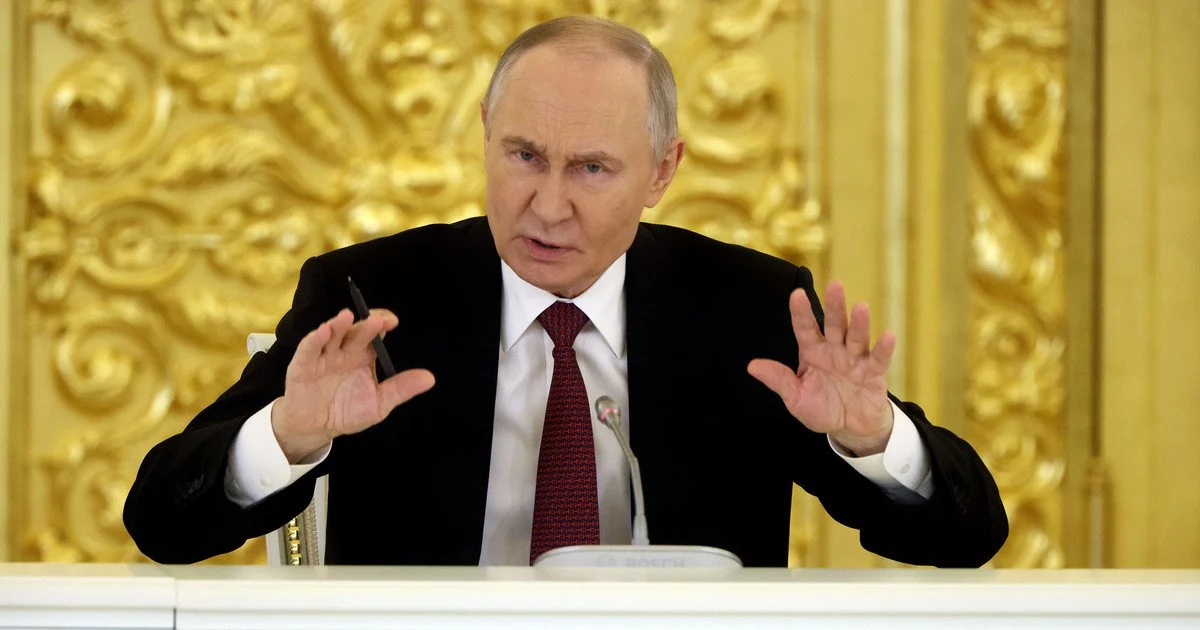
The Board of Directors of the Central Bank of the Russian Federation lowered the key rate from 14.25% to 14% per annum. The Central Bank has been cutting the rate since June 2025, but this time the market had expected a pause: the fuel crisis has accelerated price growth, and the budget deficit is growing, threatening to drive inflation even higher. This is reported by "Komersant Ukrainian", citing Russian propaganda media.
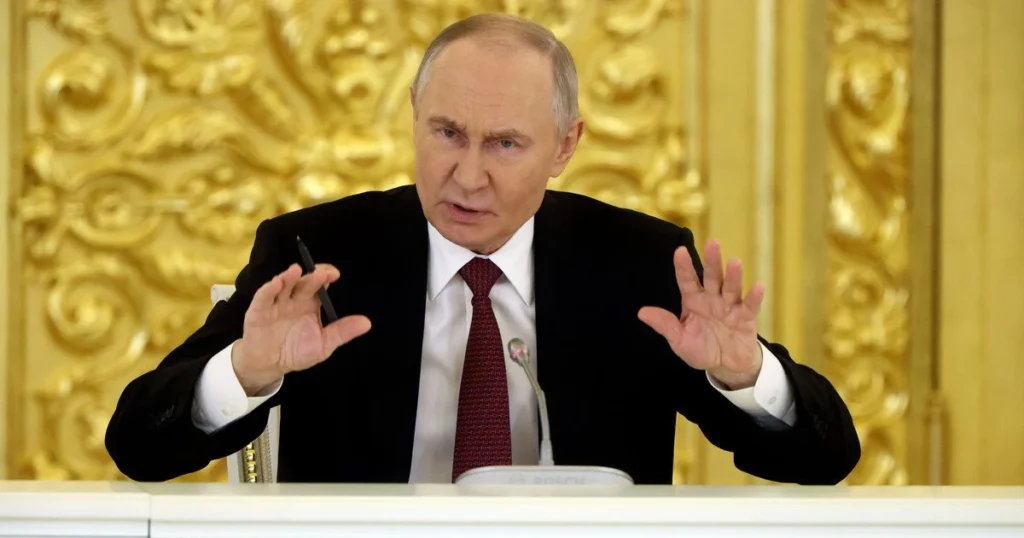
However, dictator Vladimir Putin is demanding a softening of policy. A rate cut “must happen; it will be a natural process based on macroeconomic indicators and economic stability,” he said 10 days before the Central Bank’s meeting.
Although inflation accelerated over the summer amid the fuel crisis, “the significant rise in prices and the increase in inflation expectations were largely due to one-off factors,” the Central Bank explains. Headline inflation, according to Rosstat, exceeded 6%, although it had remained around 5.3% in May. However, the core components of inflation are estimated at 4–5% on an annualized basis, the regulator notes.
Going forward, the Central Bank does not rule out a pause in rate cuts. Its message has become clearer: it “will make further decisions on the key rate depending on the dynamics of inflation and inflation expectations, as well as on its assessment of risks arising from domestic and external conditions.” A month earlier, it had considered the advisability of further rate cuts.
At the same time, the Central Bank warned that it would lower the rate very slowly. Given the consequences of Ukrainian drone attacks on oil refineries and the rise in government spending and the budget deficit, “a more gradual reduction in the key rate is needed.”
However, a rate hike is unlikely. The Central Bank’s new forecast projects that, for the remainder of the year, the average key rate will be 13.7–14%. Analysts estimate that the upper limit suggests the current rate could remain unchanged through the end of the year, while the lower limit points to a rate of 13.25–13.5% by year-end. Mikhail Vasilyev, chief economist at Radkombank, believes that the key rate’s trajectory for the remainder of the year will be closer to the upper limit. This may be the last cut, suggests economist Yegor Susin.
The Central Bank surprised everyone with its dovish stance, admits Radkombank Chief Economist Mikhail Vasilyev.
The Central Bank has effectively acknowledged that it finds itself in a trap: prices are rising rapidly, while the economy is growing slowly. Businesses have significantly lowered their expectations for both demand and output, the Central Bank noted. GDP may not grow at all this year, it suggested: the GDP growth forecast has been lowered from 0.5–1.5% to 0–1%.
At the same time, the Central Bank has accepted that this year’s fight against inflation has failed: its inflation forecast has risen from 4.5–5.5% to 6–7%, compared to the 4% target. In addition to the usual inflationary risks—budget deficits, wage growth outpacing labor productivity, and external risks (sanctions, falling oil prices)—the potential consequences of the fuel crisis have now been added to the mix. The Central Bank fears a “more pronounced pass-through of costs to prices” and, consequently, high inflation expectations.
The Central Bank assumes that the government will, as promised, bring the budget back to normal within three years: the structural primary deficit (excess of expenditures, excluding public debt service, over core oil-and-gas and non-oil-and-gas revenues) will gradually decline to zero by 2029. Otherwise, a tighter policy will be required.
The Central Bank’s decision had almost no impact on the market. The ruble exchange rate showed virtually no reaction to it, while the Moscow Exchange index rose 1.5%. Deposit rates, which have been rising since early July, are expected to decline by 0.25 percentage points in the coming weeks, according to Vasilyev.