Losses Run into the Billions: Estonian Intelligence Has Calculated Russia’s Losses from Ukrainian Armed Forces Strikes on Wildberries
24 July 19:13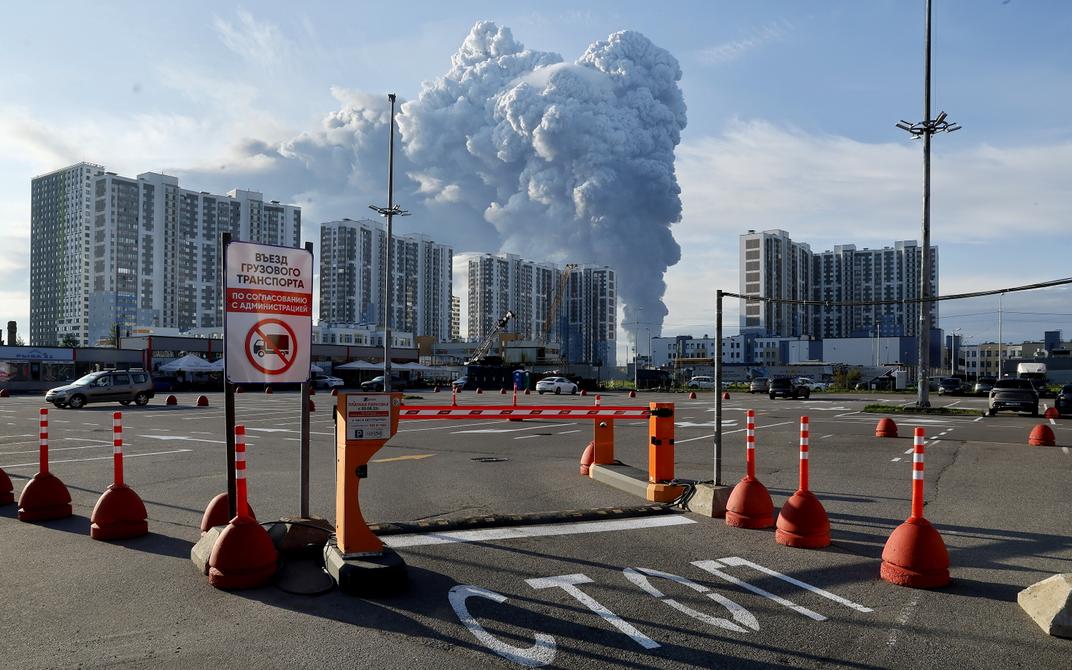
The Ukrainian Defense Forces’ successful long-range strikes on the warehouses of the Russian e-commerce giant Wildberries are dealing a significant blow to the Russian economy. Direct losses from these attacks could reach $2 billion, according to a report by the Estonian Defense Forces’ Intelligence Center, as reported by "Komersant Ukrainian".
“Such attacks are worsening the business climate in Russia: according to the Russian Central Bank, the relevant index had already fallen to -3.6 points in July, the lowest level since mid-2022. Although Putin tried this week to give the impression that the Russian economy isn’t doing too badly (in May, the economy grew by 0.3%), long-term attacks from Ukraine are changing that reality. — the report notes , which is compiled weekly by the intelligence center.
The report notes that over the past seven days, Wildberries warehouses—which were struck in the Moscow and Tambov regions, as well as in the Krasnodar and Stavropol territories—have been added as a new category of targets for Ukrainian attacks.
“A significant portion of the Russian population uses the services of Wildberries and its competitor Ozon, and therefore Ukrainian attacks have a significant impact in addition to the direct economic damage, which could reach $2 billion,” the report states.
Why Wildberries Is a Target
As Estonian intelligence analysts explain in the report, although Wildberries—Russia’s largest online retail platform—is not directly a military enterprise, it acts as an intermediary in the supply of military equipment, such as body armor and other protective gear, uniforms, drones, and drone parts, and units of the Russian Armed Forces and their supporters purchase various equipment there.
“The impact of Ukrainian strikes is evidenced by the fact that in 2025, the total value of goods sold by Wildberries was equivalent to the (GDP) of the Russian Federation,” the report states.
Operation “Molochka”
In addition, the intelligence center noted that, as part of Operation “Molochka,” Ukraine continued to carry out intensive medium-range strikes against Russian shipping in the Azov and Black Seas.
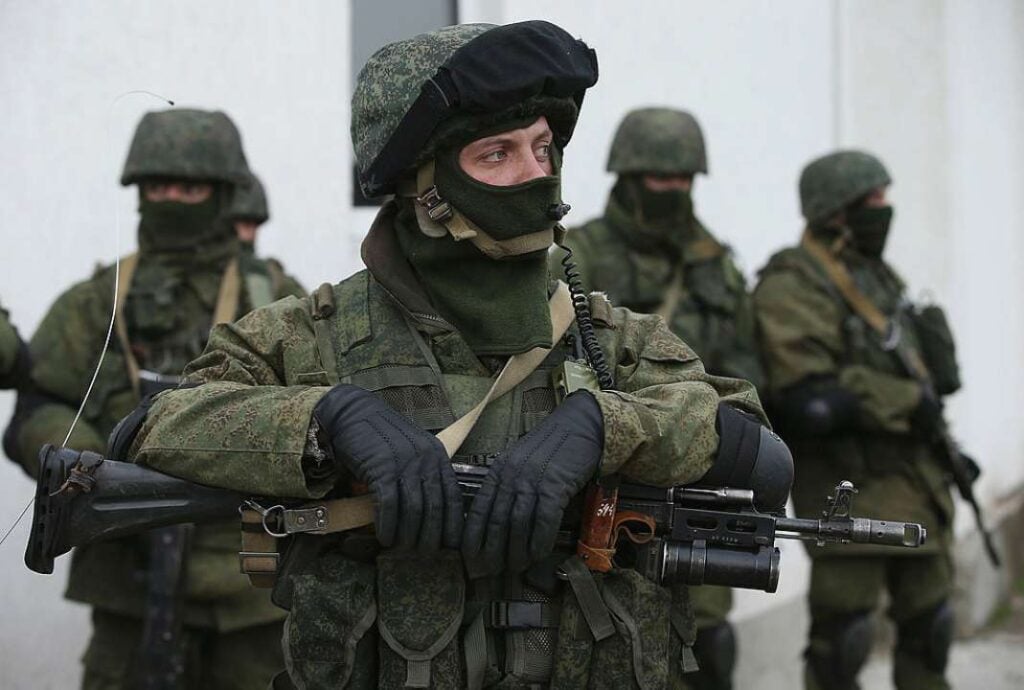
The main targets of the Ukrainian attacks were Russian ships supplying the occupied Crimean Peninsula, as well as road transport used for the same purpose.
According to the report, the volume of road transport traveling to Crimea by land decreased by 70 percent in June, and strict restrictions on civilian traffic are currently in place on roads leading to Crimea.
“During Operation ‘Molochka,’ approximately 200 vessels have been struck to date (most of them in the Sea of Azov), which has exacerbated problems with supplies to Crimea and the export of Russian fuel. Restrictions on the use of Azov Sea ports, caused by Ukraine’s actions, have become one of the factors that could lead to a reduction in wheat exports. The Russian Armed Forces are attempting to strengthen the protection of their ships and infrastructure by redeploying air defense units and drone teams from the “Rubicon” formation,” the report notes.
Strikes on Wildberries Warehouses in Russia
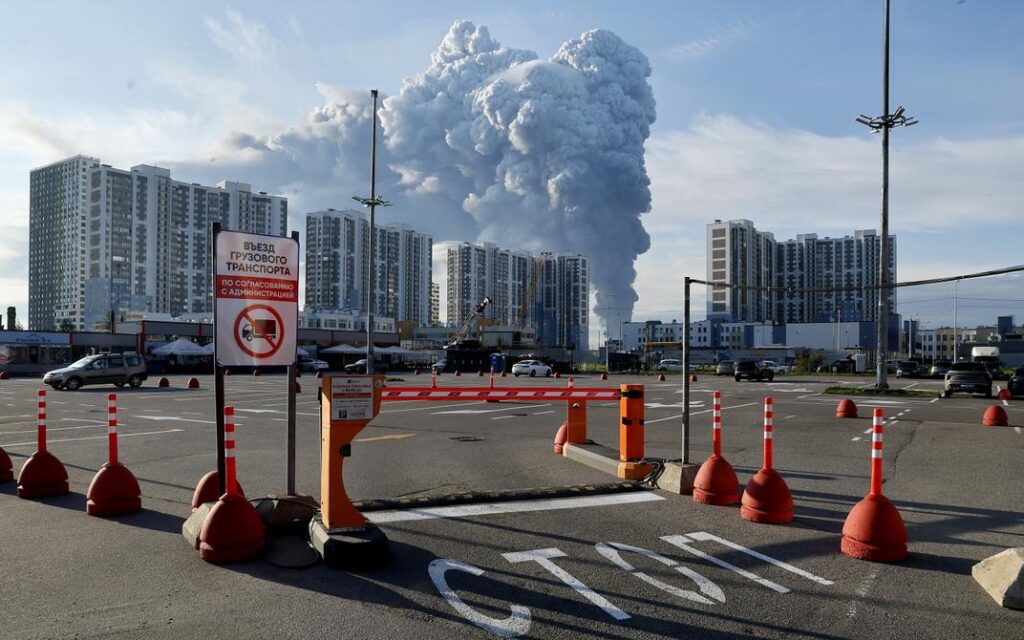
As a reminder, on the night of July 22, the Russian city of Krasnodar came under attack by drones. A massive fire broke out at the Wildberries logistics center, and footage of the blaze was shared by local residents.
That same night, drones struck the Wildberries logistics center in Nevinnomyssk, Stavropol Krai. A massive fire was also reported there, and local authorities confirmed the attack.
Later, the first satellite photos of the fires at the Wildberries warehouses were released, providing a glimpse into the scale of the damage caused by the Ukrainian drone strikes.