Ukrainian drone strikes on Russian oil depots have led to the cancellation of major contracts: details
20 June 20:17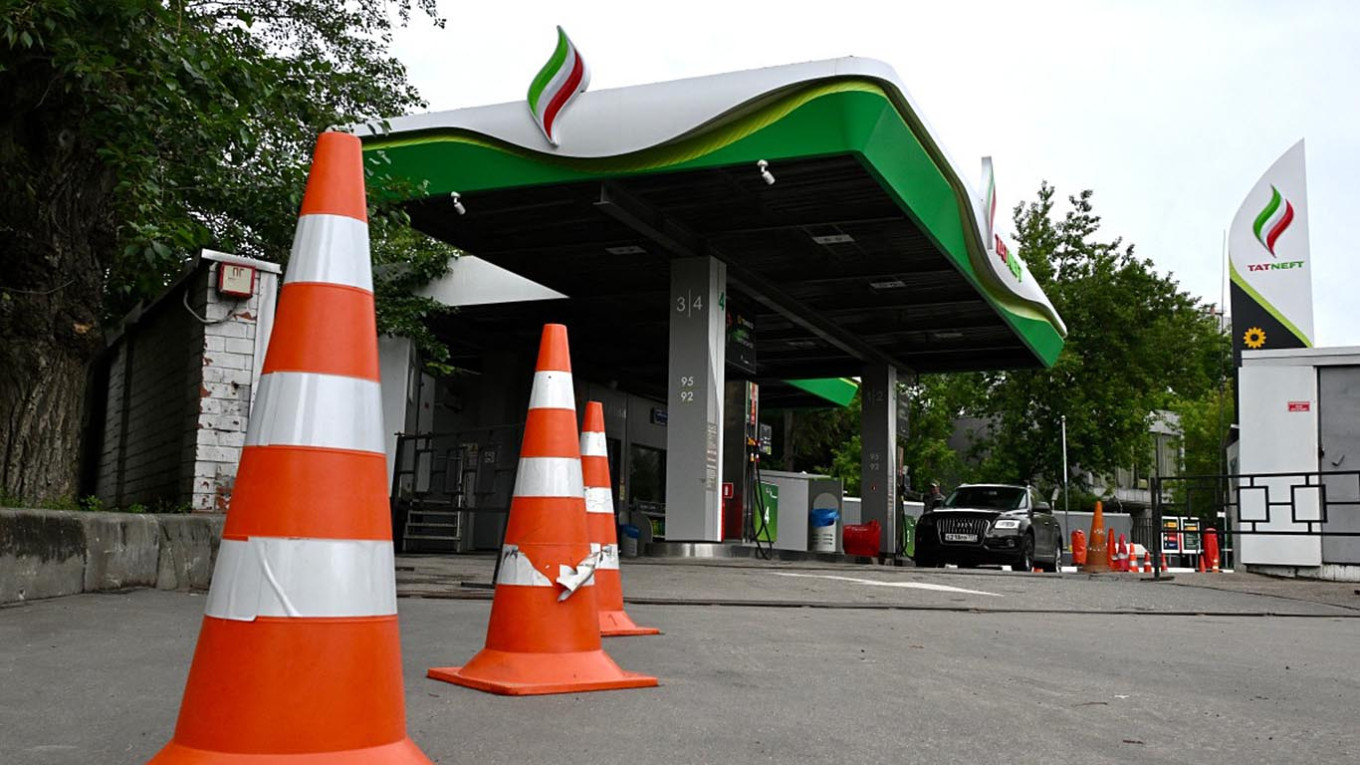
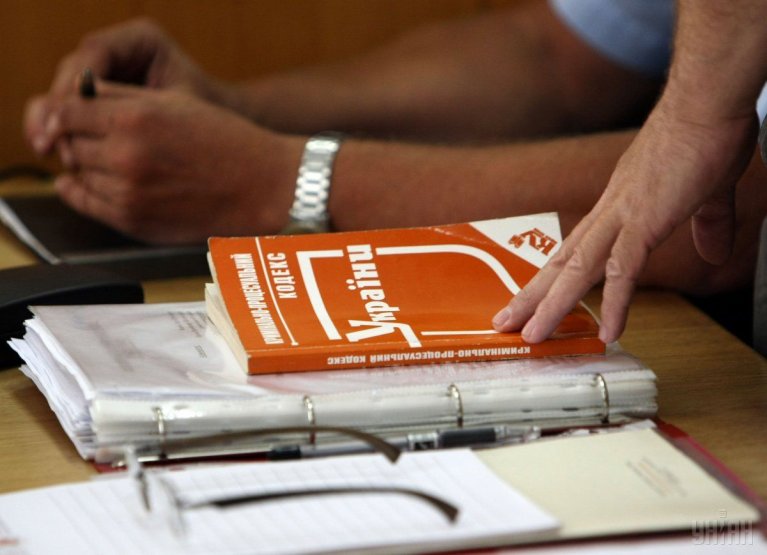
Attacks by Ukrainian drones on Russian oil depots in 2024–2025 resulted in the loss of hundreds of metric tons of gasoline and the disruption of major fuel contracts. This is evident from court proceedings. "Komersant Ukrainian" reports this, citing Russian propaganda media.
Following the drone strikes, customers of the oil depots filed lawsuits demanding either the return of the fuel or reimbursement for its cost. However, the organizations that own the depots cited force majeure.
Watch us on YouTube: important topics – without censorship
For example, in February 2026, the Moscow Arbitration Court ordered the Crimea-based “Maritime Oil Terminal” to pay over 8.4 million rubles to the company “Mosregiongaz.” The latter submitted documents showing that it had lost 132 metric tons of AI-92 gasoline and nearly 24 metric tons of diesel fuel stored at the terminal. The petroleum products were destroyed in a fire following a drone attack in October 2024. The Moscow Arbitration Court took a similar position in a dispute between the “Platonovskaya Oil Depot” in the Tambov Region and the same “Mosregiongaz.” The storage facility operator informed the client that it was unable to return more than 80 metric tons of gasoline, citing a “terrorist attack” in June 2024. However, the court noted that “such acts of sabotage” against fuel and lubricant depots “are not unprecedented,” and that the oil depot had failed to take preventive measures.
Meanwhile, in April 2026, the court ruled in favor of the Millerovo oil depot in the Rostov Region. The company “VSK-Naftosbut” demanded that the depot replace 67 metric tons of AI-92 gasoline or compensate for its cost—over 5 million rubles. During the trial, it emerged that more than 223 metric tons of fuel in storage had “completely burned up” after being struck by debris from a downed drone in August 2025. The court acknowledged that the oil depot could not have prevented the consequences of the strike. The decision may have been influenced by the fact that, unlike other cases, this one involved air defense operations, and the Investigative Committee recognized the oil depot as the aggrieved party.
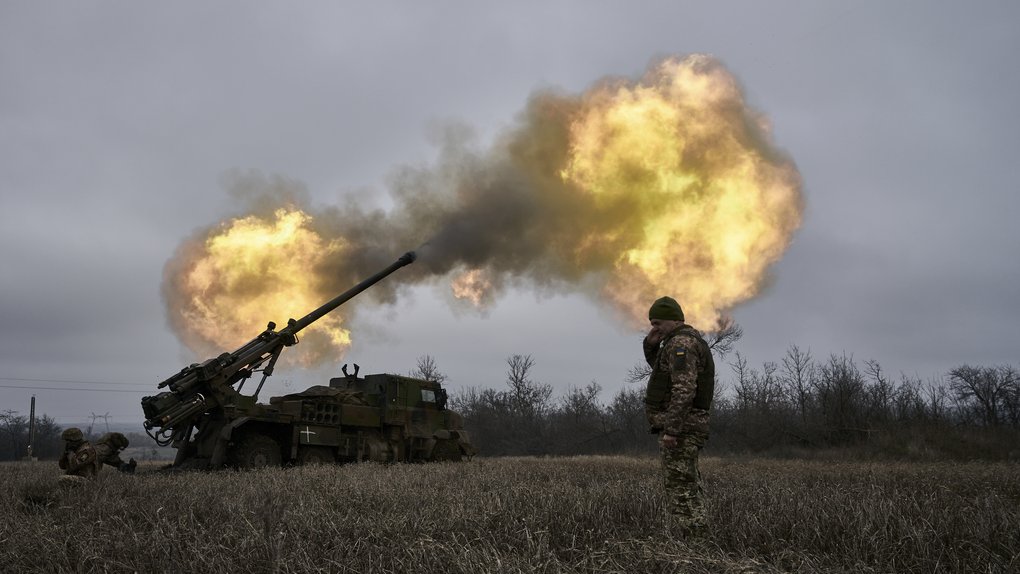
As noted by the media, the cases that have come to light reflect only a small fraction of the attacks’ consequences, since only those cases in which the parties were unable to reach a settlement on compensation make it to court. In 2026, the Armed Forces of Ukraine (AFU) intensified their strikes on Russian oil infrastructure, and in May, according to Bloomberg’s estimates, carried out a record 30 attacks.
As a result, a fuel crisis began to escalate on the Russian market in June. Fuel rationing for private vehicles was introduced in 53 regions. Specifically, in 18 regions, no more than 50 liters or one full tank of gasoline is sold. Similar limits have been introduced in occupied Crimea, Sevastopol, the Kherson and Zaporizhzhia regions, as well as in the “DPR” and “LPR.” In 11 other regions, fuel shortages are being reported at a significant number of gas stations, although there are no formal restrictions on fuel volume yet.
Read us on Telegram: important topics – without censorship