40% against, 60% in favor: Novak on Poles’ attitudes toward Ukraine
14 July 21:15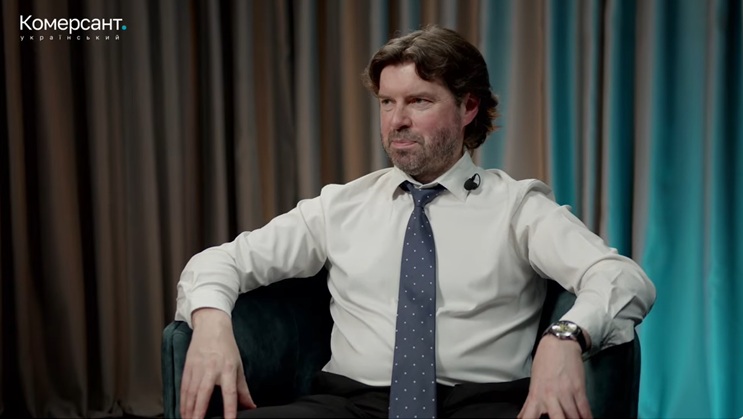 YOUTUBE
Attitudes toward Ukraine in Polish society today are mixed. Economist Andriy Novak expressed this view on the "Komersant Ukrainian" YouTube channel.
According to him, about 40% of Poles support the rhetoric surrounding historical disputes between Kyiv and Warsaw. At the same time, Novak estimates that about 60% of Poles either do not share this position or oppose the escalation of tensions between the two countries.
The economist believes that the disputes may stem from historical, cultural, and economic issues that occasionally become the subject of political debate.
He specifically mentioned the Volhynia tragedy. According to Novak, when discussing this issue, one should rely on research findings rather than solely on political statements. He noted that previous Polish archaeological expeditions in Volhynia, in his words, did not confirm a number of widespread claims.
“The results were inconclusive; not a single grave related to the so-called Volhynia tragedy was found. These were the findings of those two Polish expeditions. That’s just the facts. In other words, there are facts, and then there are statements that have been spread and artificially exaggerated,” the economist noted.
In conclusion, Novak called for building Ukrainian-Polish dialogue based on facts, economic cooperation, and mutual benefit, rather than emotional statements.
As a reminder, on July 11, Poland observed the National Day of Remembrance for the Victims of the Volhynia Tragedy. Prime Minister Donald Tusk announced the creation of a Wall of Remembrance in Warsaw for Polish victims in Ukraine, emphasizing the need to continue search operations and exhumations. At the same time, he called for building Polish-Ukrainian relations on the basis of truth, remembrance, and without mutual hatred.
In Poland, the term “Volhynia Massacre” refers to the killings of the Polish civilian population in the former Eastern Borderlands, which, according to Polish historiography, were committed by Ukrainian nationalists from the Organization of Ukrainian Nationalists (OUN), the Ukrainian Insurgent Army (UPA), and other nationalist groups. The events took place primarily in Volhynia, as well as in Eastern Galicia and in the territories of the modern Lublin and Subcarpathian Voivodeships.
Read us on Telegram: important topics – without censorship