Bulgaria Will No Longer Be Part of the Coalition of the Willing: What Are the Reasons?
14 July 20:43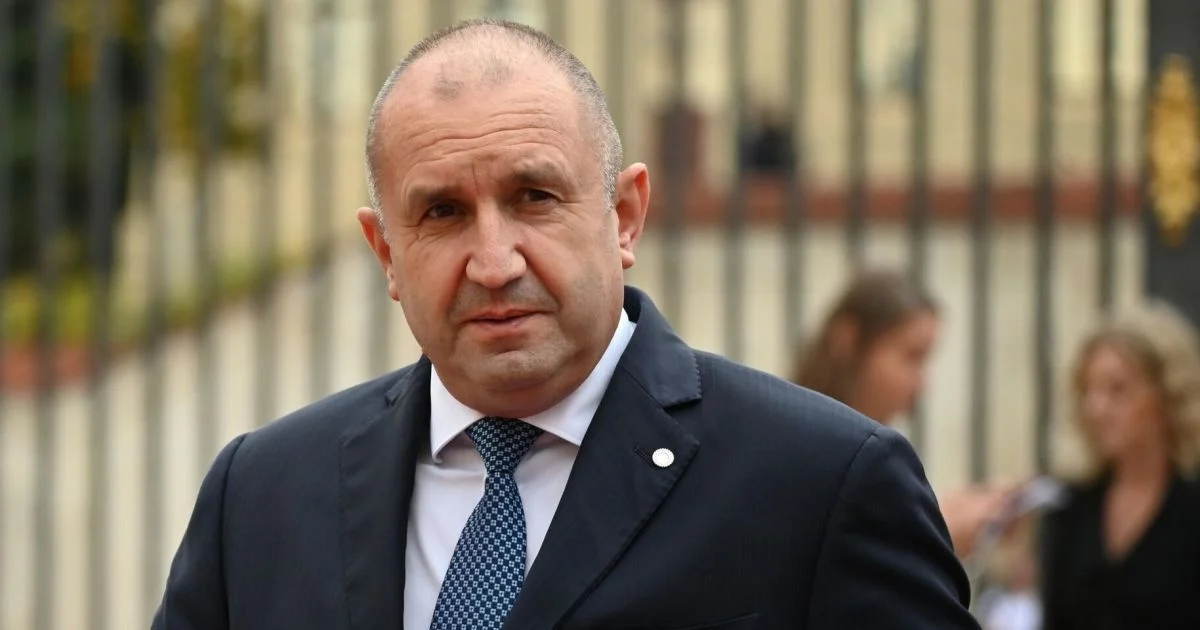
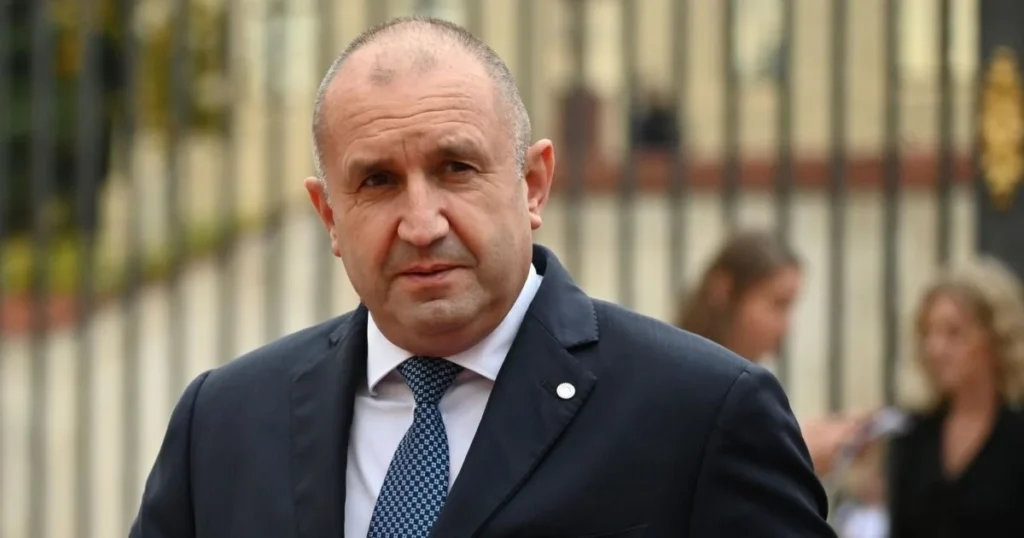
Bulgaria will no longer be part of the so-called Coalition of the Willing—a group of countries that support Ukraine in its fight against Russian aggression. This was announced by Prime Minister Rumen Radev, who in June promised that Sofia would veto a new package of EU sanctions against Russia. This was reported by "Komersant Ukrainian", citing Bloomberg.
“We are not participating in a coalition that insists on continuing financial and military aid to Ukraine. The solution to this conflict lies not in prolonging it through military means, but in a strong diplomatic mission that will finally put an end to the escalation,” the Bulgarian prime minister told reporters on Tuesday, July 14.
The current head of the Bulgarian government is known as a staunch critic of military aid to Ukraine. Since taking office as prime minister in May, he has halted the provision of military aid to Kyiv, though he has not stopped the sale of weapons.
Watch us on YouTube: important topics – without censorship
Radev has repeatedly rejected accusations that he holds a pro-Kremlin stance on the war in Ukraine. According to the politician, he advocates for “pragmatic” relations with Moscow. At the same time, Bulgaria, which had participated in previous meetings of the Coalition of the Willing, did not send a representative to the recent meeting in Paris, where nine European countries joined forces with Ukraine in yet another “coalition”—this time to combat Russian ballistic missiles.
In June, Radev—who as recently as 2024 had declared it “impossible” for Ukraine to defeat Russia—spoke out against the imposition of EU sanctions against Patriarch Kirill, as well as Vagit Alekperov, the founder of Lukoil, who runs the country’s only oil refinery and is one of the largest fuel retailers. He said that Bulgaria does not agree with sanctions against high-ranking officials of the Russian Orthodox Church.
“This war has already gone beyond the trenches. It goes beyond the economy and energy, and now all that’s left is for it to engulf religion as well,” the prime minister emphasized.
Politico and the Financial Times have previously described Radev as one of the most Moscow-friendly politicians in the European Union.
Read us on Telegram: important topics – without censorship