Heating companies’ debts to Naftogaz have exceeded 150 billion hryvnia: The government is looking for funds
9 May 17:15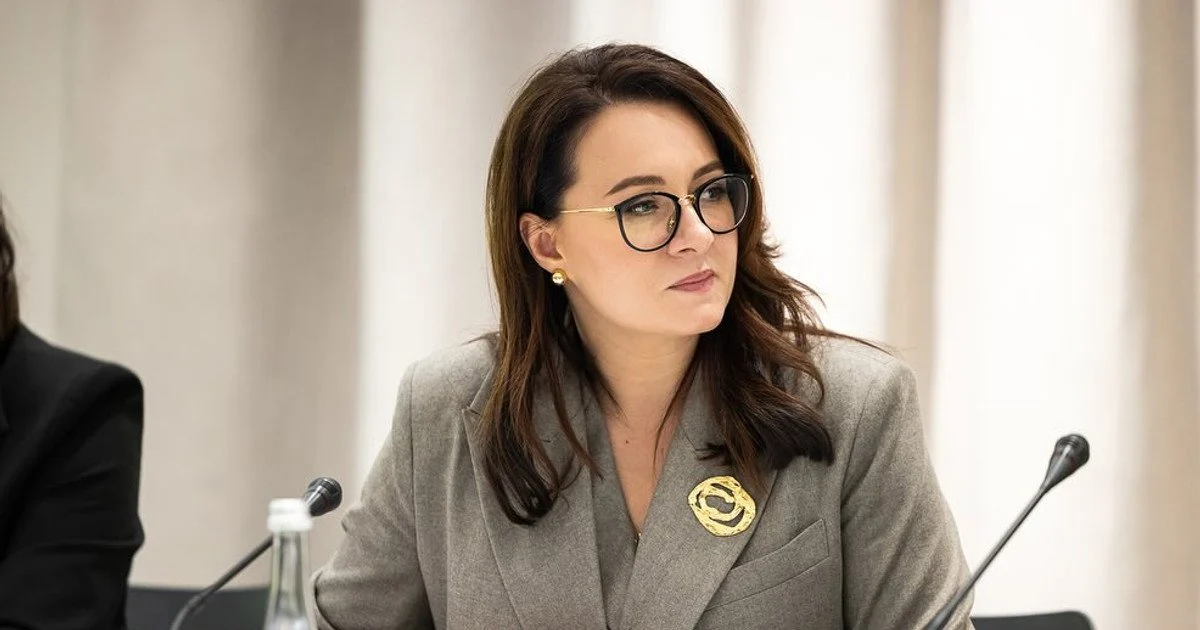
In Ukraine, the debts of heating and utilities companies have skyrocketed, particularly in regions near the front lines. The Cabinet of Ministers stated that it is working on compensation mechanisms and seeking additional funding. This was reported by "Komersant Ukrainian", citing a post byUkrainian Prime Minister Yulia Svyrydenko on Telegram.
According to the head of government, over the past four years, the debts of heating and utility companies to the Naftogaz group have more than doubled—from approximately 60 billion hryvnia to nearly 150 billion hryvnia.
Svyrydenko noted that the problem also affects companies in frontline regions.
Against the backdrop of a sharp increase in debt, the government has instructed officials to develop mechanisms to compensate for the difference in tariffs.
Watch us on YouTube: important topics – without censorship
It should be noted that the tariff difference is the financial gap between the actual (economically justified) cost of housing and utility services (heating, hot water, water supply) and the tariff that is actually set for the population and approved by local authorities.
Since the state, especially under martial law (where a moratorium on tariff increases is in effect), limits the cost of services for citizens, utility companies (heating, water, and sewer) do not receive their full revenue, leading to losses.
According to the law, the state is obligated to compensate for this difference, as it is the initiator of the tariff restrictions. The main mechanisms include:
Subsidies from the State Budget:
The state allocates funds from the state budget to local budgets (subsidies) for subsequent payment to utility companies.
Incidentally, the 2026 draft budget provides for subsidies to compensate for the difference, specifically for heat production.
Debt verification:
Before receiving payments, companies must demonstrate the validity of their expenses to regional commissions.
Currently, the Cabinet of Ministers is considering several possible sources of funding. These include state budget funds, assistance from the European Union and international partners, as well as dividends from other state-owned companies.
In addition, the situation in Ukraine’s balancing electricity market is deteriorating. According to the Ukrainian Solar Energy Association, market participants’ debt to Ukrenergo has already reached 42 billion UAH and is increasing by approximately 1 billion UAH each month.
At the same time, Ukrenergo’s own financial obligations to power generators are also rising—they have already exceeded 30 billion hryvnia.
Read us on Telegram: important topics – without censorship