Due to the blockade of the Sea of Azov: Russian wheat exports have fallen to a decade-low
20 July 21:15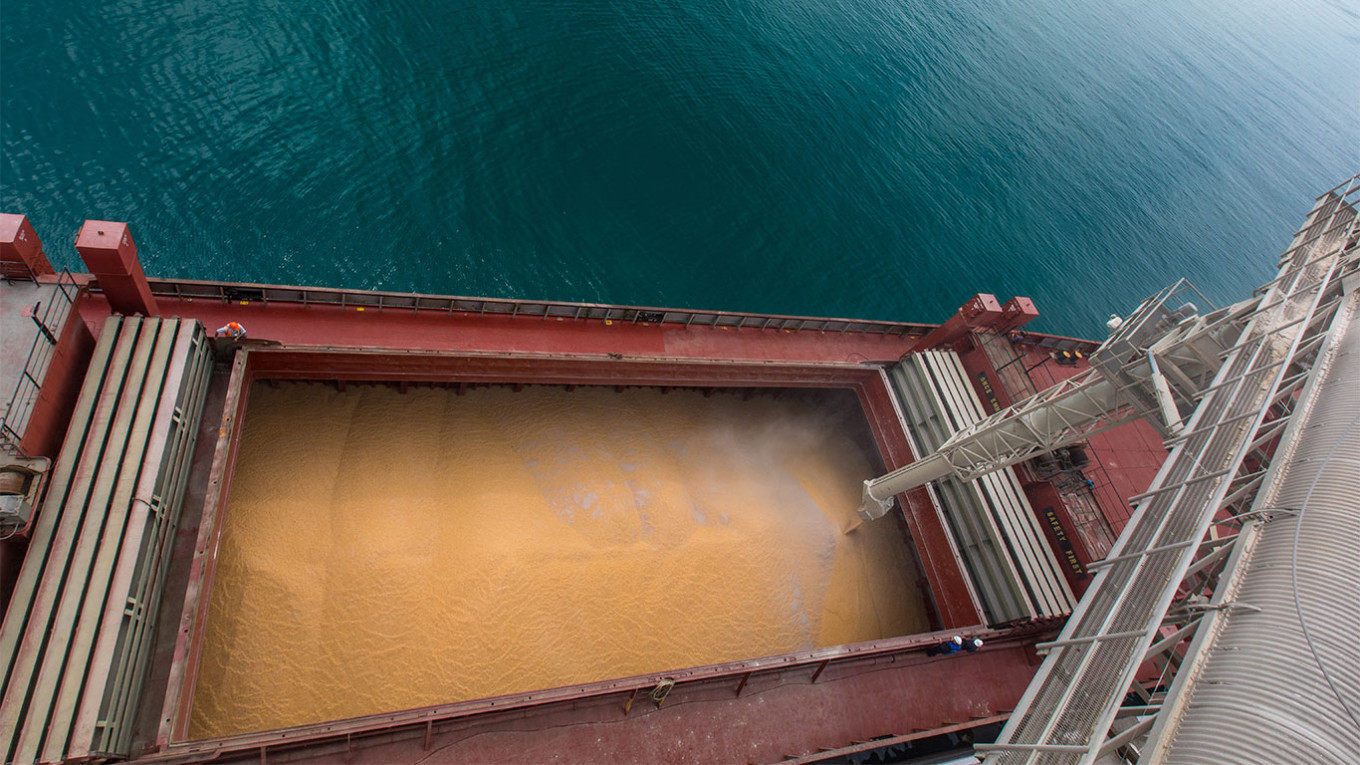
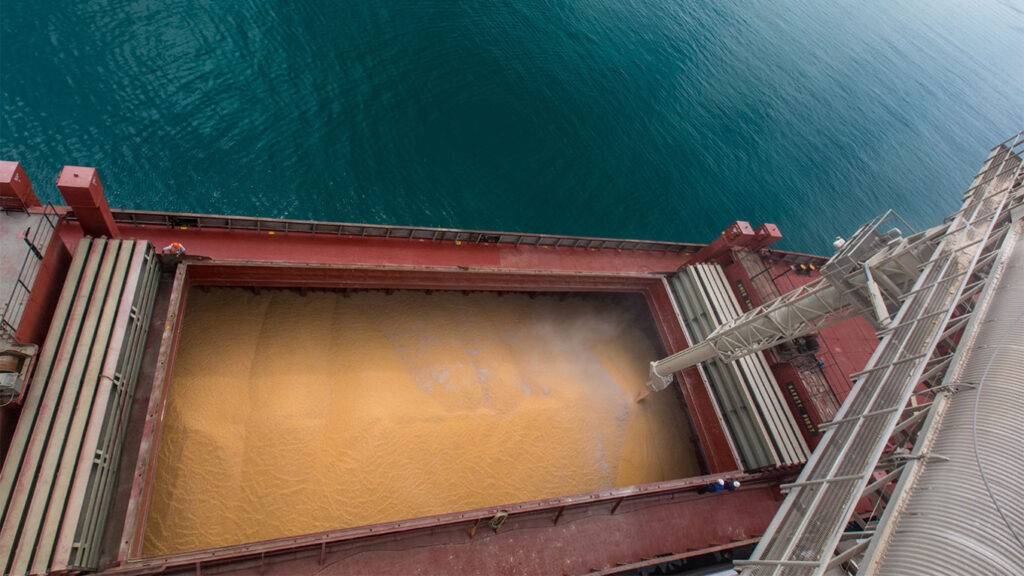
Ukrainian strikes in the Azov Sea, which brought operations at the ports of Azov and Taman to a halt, have paralyzed Russian grain exports. In July, Russian exporters will ship 1.5 million metric tons of wheat abroad—one-third less than in the same month a year earlier (2.1 million metric tons), and half the average for the past five years (3.1 million metric tons), according to forecasts by Russian propaganda media, as reported by "Komersant Ukrainian".
Export volumes will be the lowest since 2017, according to estimates, and will effectively revert to levels seen a decade ago.
The main reason for the decline is restrictions on navigation through the Kerch Strait, explains Andrey Sizov, CEO of Sovecon.
On July 11, following drone attacks on more than 100 vessels in the Sea of Azov, Russian authorities notified shipping companies that they would no longer accept applications for passage through the Kerch Strait. As a result, according to Sovecon’s estimates, up to 25% of Russia’s total grain and oil exports are at risk—precisely the amount shipped through the shallow-water ports along the Kerch Strait. These ports facilitate trade with countries in the Middle East and Turkey—Russia’s largest grain customer, which purchases nearly one-fifth of its exports. Weak demand from Egypt and Turkish importers is putting additional pressure on wheat exports, Sizov notes.
Read us on Telegram: important topics – without censorship
Due to problems in the Kerch Strait, grain exports via the Don River have now come to a complete halt, according to industry sources: Last agricultural season, 14.7 million metric tons of grain and grain products were exported via this route—27% of Russia’s total grain exports.
“At the moment, all grain elevators in the ports along the Don River are full,” complains Alexander Yaroshenko, president of the Ural-Don holding company: grain purchases have effectively come to a halt, new shipments are not being accepted, and export deals that had already been agreed upon are falling through because it is impossible to ship the goods.
“This is exactly when active trading should be starting. Farmers need to receive payment for half or all of their wheat harvest and put that money back into circulation. But there’s no one to sell to!” laments Yaroshenko.
Theoretically, the grain could be rerouted to Black Sea ports (Novorossiysk, Tuapse), but, according to Yaroshenko, this is unrealistic. The seaports of the Krasnodar Region are physically incapable of handling the entire volume exported by southern Russia during the season. “Yes, we won’t be able to ship it out technically—the railway infrastructure isn’t designed for such volumes,” he said.
The bottleneck at the approaches to the ports of Novorossiysk and Tuapse simply cannot handle an avalanche of railcars, explained the Rostov-based grain trader: this would result not just in a traffic jam, but in a complete halt to traffic for months. Furthermore, Black Sea ports are not equipped to handle the export of perishable goods, processed foods, legumes, or durum wheat.
“The closure of the Azov-Don basin will not lead to a redistribution, but to the paralysis of niche segments and the spoilage of high-margin products, the shutdown of processing facilities and the entire port infrastructure of the Volga-Azov-Don basin, stockpiling, and the economic collapse of strategically important Russian regions,” the trader believes.
Watch us on YouTube: important topics – without censorship