Food Supplies for the Armed Forces of Ukraine: DOT Awarded Contracts Worth 4.3 Billion Hryvnia to the Two Companies with the Most Complaints
21 July 09:17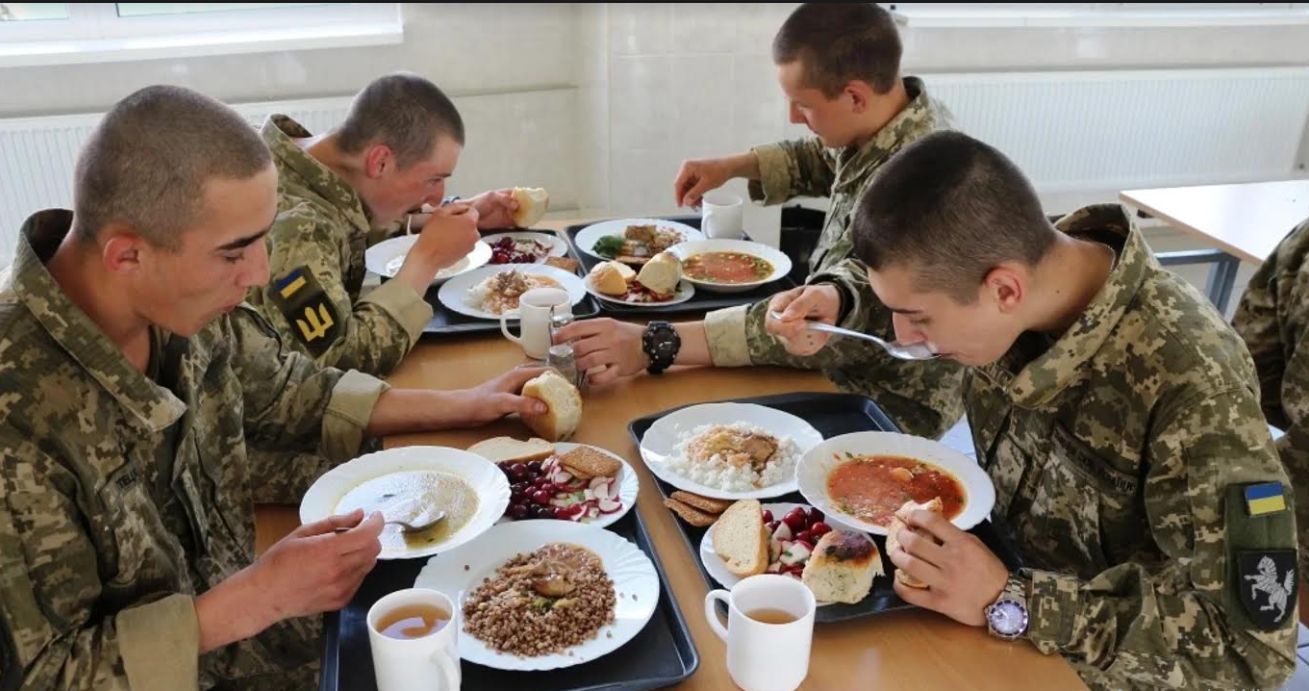
Civil society activist and former advisor to the Ministry of Defense Dana Yarova has published an analysis of the procurement of food for the Armed Forces of Ukraine for the fourth quarter of 2026, conducted by the Ministry of Defense’s State Logistics Operator (DOT) through the Prozorro system. According to her, the results of the tender indicate that a significant portion of the market is concentrated among two suppliers, despite previous statements about fostering competition. She reported this on Facebook, as reported by
Yarova drew attention to the structure of the procurement, noting that individual lots amounted to nearly 3.3 billion hryvnias, 1.5 billion hryvnias, and over 1.2 billion hryvnias. In her view, this approach restricts competition, as only large companies can participate in tenders of this scale.
“When I worked at the Ministry of Defense, large procurements were deliberately divided into smaller lots to increase competition among suppliers. Why such large lots have been formed now is a question for me,” she noted.
According to Yarova, the biggest winners of the tender were Busky Canning Plant LLC and Trade Granit Invest LLC, which together received about 49.5% of the total volume of food supplies for the Armed Forces of Ukraine.
At the same time, during the first half of 2026, military units filed 1 , 950 complaints against food suppliers, 54.4% of which were directed specifically at “Trade Granit Invest” and “Busky Canning Plant.”
“How many more complaints will it take for the government to stop rewarding these suppliers with new multi-billion contracts?” she wrote.
Yarova also questioned the claimed savings from these procurements. She noted that in 2023, the Ministry of Defense purchased daily food rations at a price of 125–137 UAH, while in recent years, she said, prices for food, fuel, and logistics have risen significantly.
Watch us on YouTube: important topics – without censorship
In addition, technical requirements for the products were tightened: the specifications for meat and fish were changed, and the requirements for caloric content and minimum protein content were raised.
“With more expensive food, more expensive fuel, more expensive logistics, and stricter quality requirements, how did procurement suddenly become cheaper? At what cost?” Yarova asks.
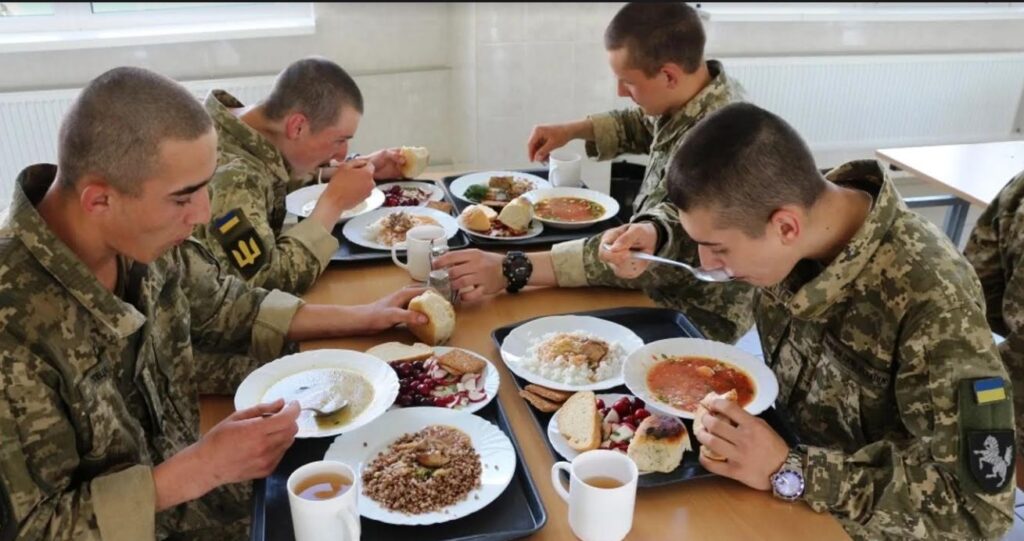
Therefore, the main issue remains not the undeclared budget savings by the Ministry of Defense, but the quality of the food that Ukrainian servicemembers will receive.
“And now I have the main question. With more expensive food, more expensive fuel, more expensive logistics, and stricter quality requirements, how did procurement suddenly become cheaper? At whose expense? At the expense of business profits? I don’t believe that. At the expense of suppliers’ charity? No, not that either. Then at whose expense? Because economics is a stubborn thing. And if the cost of goods sold is rising while the final price is falling, someone will still have to pay the difference. The only question is—who? And I really wouldn’t want the Ukrainian military to be the one footing the bill again. Because they don’t eat press releases. They don’t eat fancy presentations. They don’t eat percentage points of savings. They eat what is brought to them. That’s exactly why what concerns me today isn’t how many millions someone will write in the ‘savings’ column. I’m concerned about something else: what a Ukrainian soldier in the trenches will be eating in a few months,” she concluded.
As reported by
The scandal over eggs priced at 17 hryvnias
In January 2023, journalists revealed that the Ministry of Defense was purchasing food at prices significantly higher than market rates. The story that caused the biggest stir was about eggs—they were being sold to the government for 17 hryvnias apiece, while on the market they cost about 7 hryvnias.
Following the public outcry, the State Bureau of Investigation (DBR) and the Security Service of Ukraine (SBU) joined the investigation. They uncovered an organized criminal group consisting of five people. The group included representatives of supplier companies and military personnel responsible for supplying one of the units.
The investigation established that they had forged documents, falsely reporting food deliveries. The suspects were charged with embezzlement of state property.
The scandal led to personnel changes. Deputy Minister of Defense Vyacheslav Shapovalov, who was responsible for the logistical support of the Armed Forces of Ukraine, resigned. In addition, Bogdan Khmelnytskyi, director of the Department of Public Procurement, was dismissed. His name was subsequently added to the state register of corrupt officials.
As reported by
Earlier, the state logistics operator unveiled a new feature of its annual procurement plan, covering all areas of support for the Armed Forces of Ukraine: food, clothing, and fuel and lubricants.
From now on, potential suppliers can review the estimated dates for procurement announcements and delivery deadlines in advance in a more convenient format—via a functional dashboard. All information is available on the DOT website in the “For Suppliers” section.
This should ensure the continuity of supplies to the military. Businesses will also be able to adapt their production processes and logistics to defense needs in advance, as they will know when and what will be required.
Read us on Telegram: important topics – without censorship