Due to low water levels: Romania is completely shutting down the country’s only nuclear power plant
13 August 20:17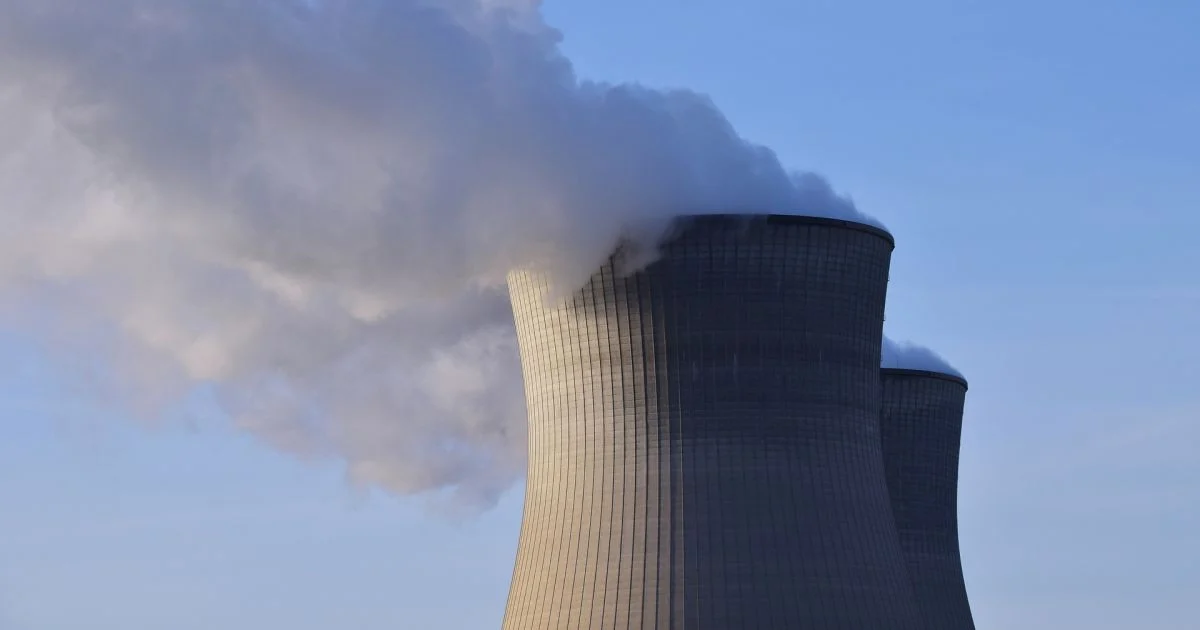
Romania has begun shutting down the country’s only operating nuclear reactor due to historically low water levels in the Danube, which the Cernavodă Nuclear Power Plant uses for cooling. Following the shutdown of the first reactor at the nuclear power plant in late July, the second reactor must also be shut down “due to a significant and sustained drop in the water level of the Danube,” the state-owned nuclear energy company Nuclearelectrica announced on Thursday, August 13, according to "Komersant Ukrainian", citing DW.
The Romanian government had already announced the upcoming shutdown of the second reactor earlier. This is the first time the plant has been completely shut down since the drought of 2003, when operations were suspended for several weeks.
Romania has declared an energy emergency for the entire month of August
The Cernavodă Nuclear Power Plant accounts for about one-fifth of Romania’s electricity production. Electricity demand will now be met by alternative sources, particularly wind power. The EU member state has declared an energy emergency for the entire month of August and has asked businesses and households to voluntarily reduce their electricity consumption during peak evening hours. It is currently unknown when the nuclear power plant is expected to resume operations.
Initially, the second reactor was scheduled to be shut down about two weeks ago, but a series of emergency measures made it possible to continue using water from the Danube. By order of the Ministry of Energy, a stone barrier was blown up to redirect the water flow, dredging was carried out on the bottom of the Danube, and four barges filled with rocks were sunk to create a dam and raise the water level around the reactor by 4 centimeters.
Water levels in the Danube are expected to rise starting August 15
According to Romania’s National Agency for Water Resources Management, the Danube’s water level is expected to rise starting August 15, as rains upstream will gradually reach this section of the river. Romania uses a combination of gas, coal, hydropower, nuclear power, and renewable sources to generate electricity, but it needs billions of euros in investment to replace outdated facilities and expand storage facilities and interconnections.
Earlier, Hungarian Prime Minister Péter Magyar announced that operations at the country’s only nuclear power plant, Paks, would be suspended due to a record drop in the Danube’s water level—the first such drop in 44 years. This nuclear power plant accounts for nearly half of Hungary’s electricity generation and uses water from the Danube to cool the plant’s reactors. Against the backdrop of a potential energy crisis, the country’s authorities have called on residents and businesses to reduce their electricity consumption.
In 2026, following several waves of abnormal heat and drought in Central Europe, the Danube reached critically low levels. In some regions, water levels broke historical lows, leading to the suspension of navigation and problems in the energy sector. In Germany, low water levels are creating serious problems for inland waterway shipping, especially on the Rhine. Vessels can carry significantly less cargo or have to suspend operations entirely.
Watch us on YouTube: important topics – without censorship