“Crimea Is the Achilles’ Heel for Russia”: An Economist Explains How the War Is Draining the Russian Economy
23 June 09:48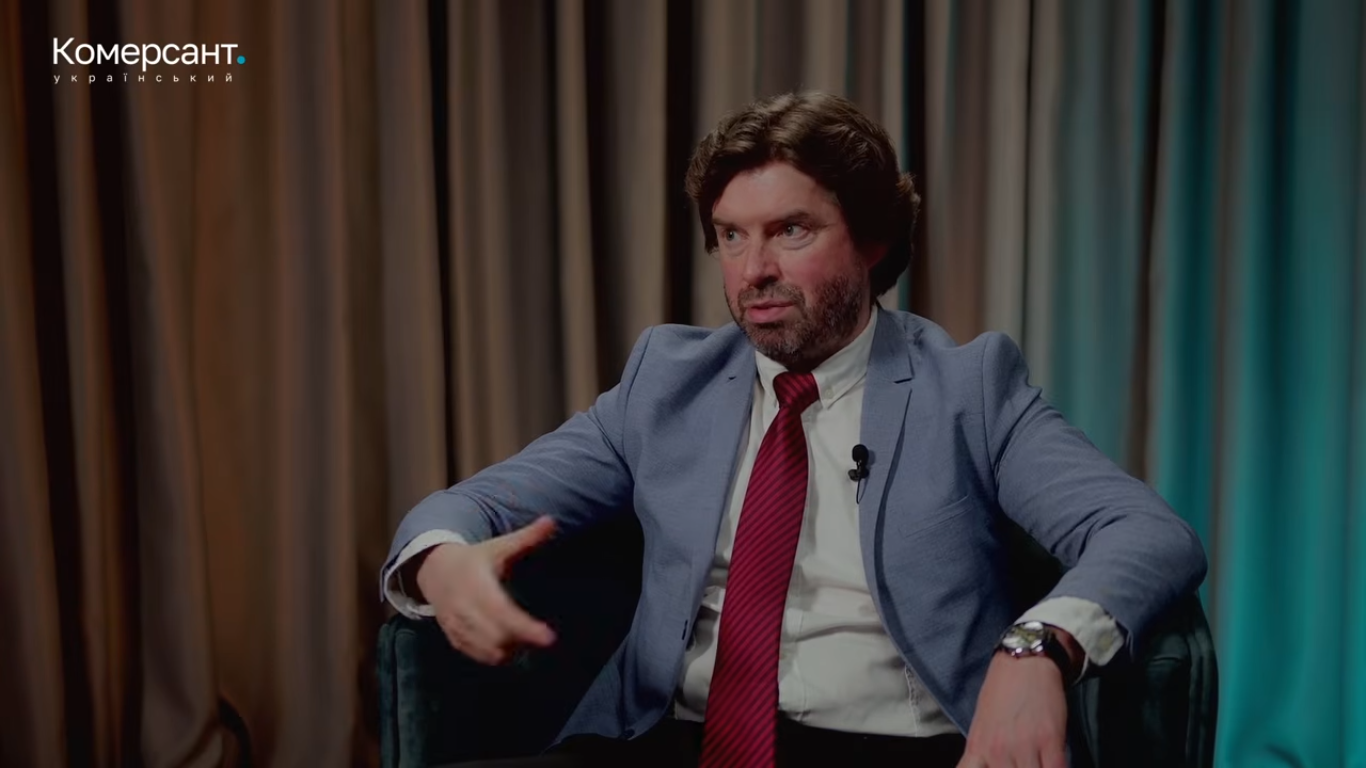 YOUTUBE
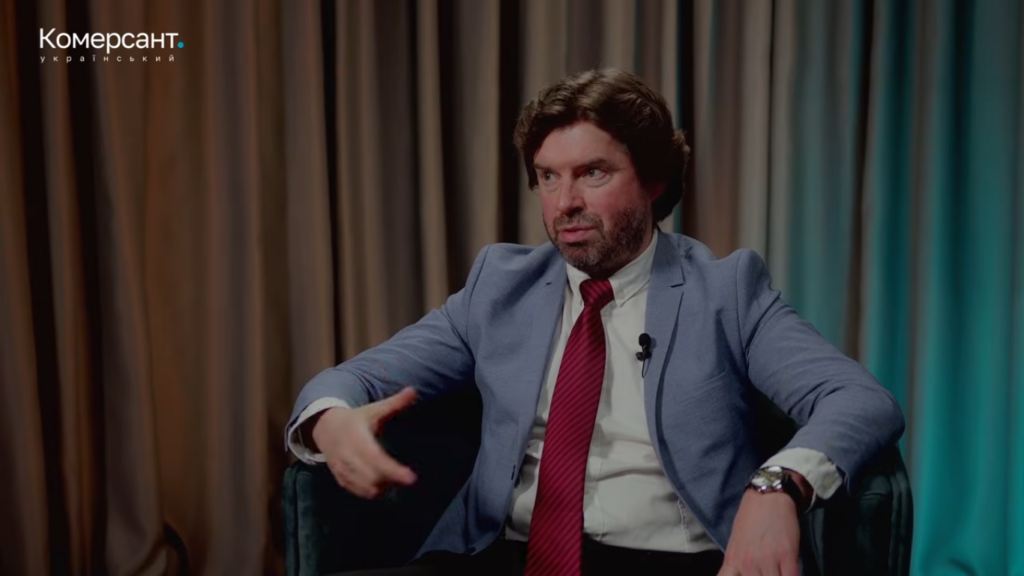
While Russian authorities continue to express confidence in the resilience of their economy, the consequences of the protracted war are becoming increasingly evident within the country—resource shortages, a decline in investment, and manual control of economic processes. On the "Komersant Ukrainian" YouTube channel, economist Andriy Novak explained why Crimea has become Russia’s “Koshchei’s needle” and how the war is gradually eroding the aggressor nation’s economic foundation.
According to the economist, one of the most tangible signs of these changes is already the fuel shortage—a problem that is increasingly affecting daily life within Russia itself.
“Imagine how they are supposed to supply the temporarily occupied territory of Ukraine—Crimea—when there is a fuel shortage in Russia itself,” Novak noted.
The economist drew a parallel with the Russian folk tale about Koschei the Immortal, whose death was hidden in a needle.
“For Russia, Koschei’s needle is Crimea itself. What they took pride in when they launched their aggression against Ukraine—all those illusions about a ‘native harbor’—that very needle of Koschei, Crimea, is already beginning to break. In other words, this very Koschei—namely, the Russian Federation—doesn’t have much time left,” he said.
Watch us on YouTube: important topics – without censorship
According to Novak, the Russian authorities have effectively switched to “manual military control”—enterprises are being ordered where to direct their funds, and company executives are being given quotas to mobilize a certain percentage of their employees.
“Putin orders: ‘Give me money, oligarchs, for the war—just a little more, and we’ll win.’ And in the same way, state-owned enterprises are being told by decree where to direct their resources. There’s also a mandatory mobilization quota for each enterprise—a specific percentage of the male workforce from each company,” the economist explained.
The result of this approach is a sharp drop in capital investment, which is even reflected in official, non-classified statistics.
“This means that development is no longer on the agenda. There are already problems even with basic maintenance of existing infrastructure, let alone modernization,” Novak emphasized.
When reality becomes too complex to explain, the Kremlin resorts to euphemisms—both in the economy and in the military sphere, the economist noted. Putin calls the economic downturn a “deliberate cooling-off,” although, according to Novak, it is actually a typical recession—just without an honest acknowledgment of that fact.
“From a professional standpoint, this is, to put it mildly, very ridiculous. And from a propaganda standpoint, they’re looking for ways to explain their failures. Just as they explain their military setbacks: they claim to have ‘captured’ Kupiansk three times—even though it was captured long ago—and they scare people with ‘Oreshnik’ or something else. They do the same thing in the economy—they look for euphemisms: ‘negative growth,’ ‘economic slowdown,’ weather conditions—remember when Putin said that spring isn’t like spring, and summer isn’t like summer,” the economist concluded.
Read us on Telegram: important topics – without censorship