A High-Stakes Game: Is the Kremlin Really Prepared for a Nuclear Scenario?
5 May 19:00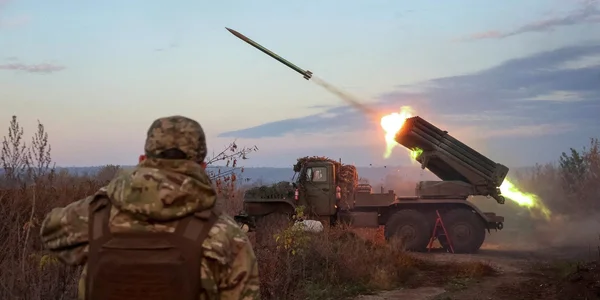 Forecast
Ukraine is officially raising its state of readiness in anticipation of a possible enemy use of weapons of mass destruction. While Russian propaganda is scaring the world with “Oreshnik,” Ukrainian military officials and analysts are examining realistic scenarios: from the use of nuclear artillery shells to a strategic bluff by a dictator who has found himself in a corner.
People’s Deputy and Secretary of the National Security Committee Roman Kostenko confirmed that the state is already taking preventive measures. According to him, the threat involves the use of tactical warheads with yields ranging from several to dozens of kilotons.
The main targets of a potential attack have been identified as:
- Logistical hubs: to paralyze the supply of Western weapons.
- Troop concentrations: to break through the front lines in critical areas.
- “Decision-making centers”: to destabilize government administration.
“Pion” self-propelled gun vs. “Oreshnik”: what might the enemy use to strike?
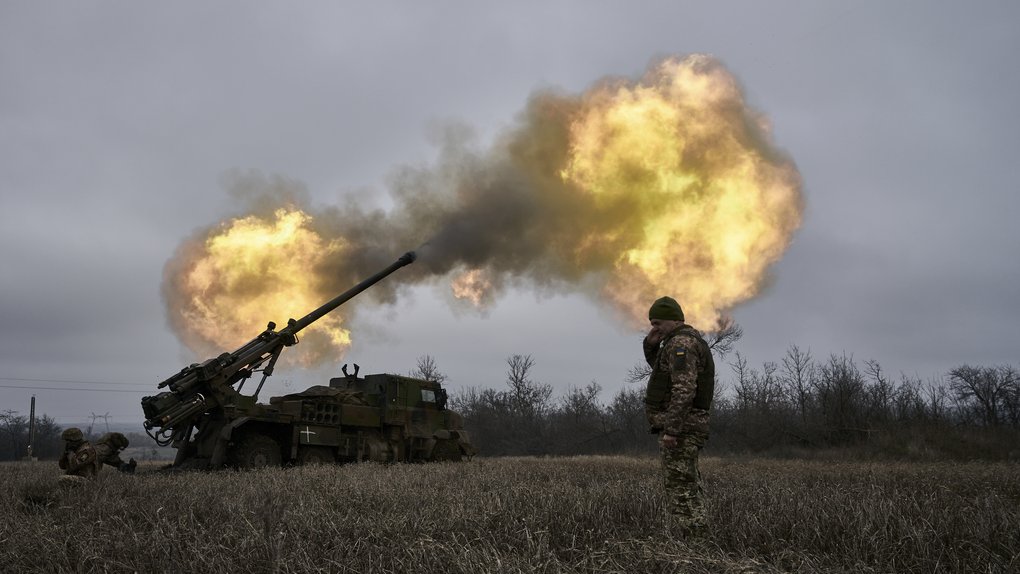
Troops on the ground do not rule out the worst-case scenarios. An officer from the “Nachtigall” battalion, with the call sign“Major Bumblebee,” warns: Russia has the technical capability to strike not only with missiles but also with heavy artillery.
“This is my personal conviction. I’m not trying to scare anyone or convince them—this is my assessment. I think they will strike. What kind of munition it will be—whether fired from a ‘Pion’ or an ‘Oreshnik’—is currently unknown,” notes “Major Bumblebee.”
The 2S7 “Pion” self-propelled gun poses a particular danger. This 203-mm Soviet gun, developed back in the 1970s, is capable of firing special nuclear munitions at a range of up to 47 km. In addition to it, the delivery systems include the “Iskander-M,” the aeroballistic “Kinzhal” and “Kalibr” missiles.
Aviation analyst Konstantin Kryvolap commented
“Right now, I see a situation of immense despair for Putin. To put it in the language of his ‘brothers,’ he’s down in the dumps. He appealed to Trump to negotiate so that Ukraine wouldn’t strike Russia—specifically, to secure a ceasefire on May 9 and for Ukraine to stop targeting oil refineries,” says Kryvolap.
According to analyst Kryvolap, the use of nuclear weapons is a direct path to the complete isolation of the Russian Federation, even by its allies. In the event of an attack, NATO would not necessarily respond with nuclear weapons, but with “serious suppression of all air defense systems and strikes on Russian territory” using conventional high-precision weapons.
Is it possible to detect preparations for a nuclear strike?
The expert reassures us: it is impossible to prepare such a strike without being noticed.
“When the movement of nuclear warheads begins, all depots and storage bases come under scrutiny. The Americans know exactly what is happening there. CIA Director Burns personally participated in many inspections of Russian facilities and has a complete picture,” – Konstantin Kryvolap
However, the expert’s main conclusion is that the probability of a strike is low, but not zero.
- Awareness: “The public must know how to prepare and protect themselves.”
- Supplies: Have an autonomous supply of water and food.
- Real nuclear shelters
Kryvolap emphasizes the need for real shelters.
The probability of a nuclear strike remains low, but it is not zero. Ukraine is preparing for the worst, but the experts’ main conclusion is this: nuclear blackmail is an attempt to force us to capitulate out of fear. The best response is transparency in the military-industrial complex, strengthening air defense, and real civil defense—not “tiles on the asphalt.”