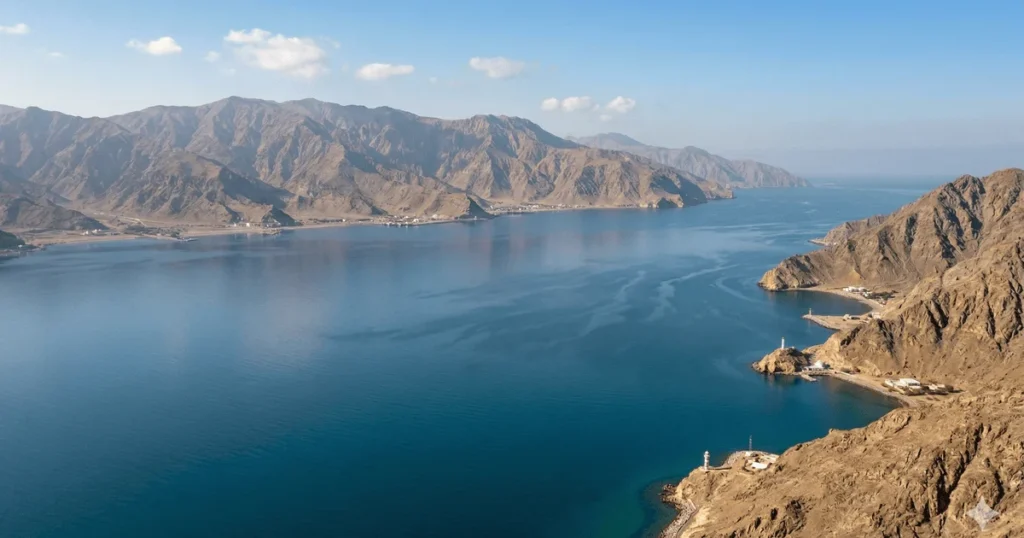
Iran has suspended tariffs in the Strait of Hormuz for 60 days
21 June 20:14
Iran has suspended transit duties for 60 days for ships passing through the Strait of Hormuz. This was announced by Pakistani Foreign Minister Ishaq Dar in an interview on Sunday, June 21, according to "Komersant Ukrainian", citing DW.
According to him, free navigation through one of the world’s most important maritime routes is supported by many countries in the region, including China, which advocates for the unimpeded passage of ships in both directions.
Talks in Switzerland
The statement came amid talks between the U.S. and Iran in Switzerland. Representatives from Qatar and Pakistan are also participating in the talks. According to available information, the parties have already established working groups tasked with preparing a potential agreement to reduce tensions in the region.
Is a Trump Tariff Possible?
On Saturday, June 20, U.S. President Donald Trump wrote on the social media platform Truth Social that the U.S. could impose a toll for passage through the Strait of Hormuz to benefit Washington if an agreement with Iran fails. This, as the U.S. president put it, would serve as compensation for the services provided by the United States—which Trump called the “guardian angel” of the Middle East.
At the same time, the White House chief emphasized that for 60 days—while the truce with Iran is in effect—no fee would be charged. The arrangement will continue even after the specified period ends, provided that the agreement with Tehran is not violated, he added.
Conflicting Reports on the Situation in the Strait
Despite reports of a softening in Tehran’s stance, Iranian media, citing military sources, claim that the Strait of Hormuz remains closed to international shipping. According to these reports, only vessels bound for Iran are granted passage. At the same time, U.S. Central Command previously stated that traffic through the strait continues without significant restrictions.
The Strait of Hormuz is considered one of the key routes for global energy trade. A significant portion of the world’s oil and liquefied natural gas exports passes through it. Any restrictions on shipping in this area could affect global energy markets and lead to higher prices for raw materials.