Oil Prices Rise After U.S. Strikes on Iran: What’s Happening in the Market
26 May 08:53
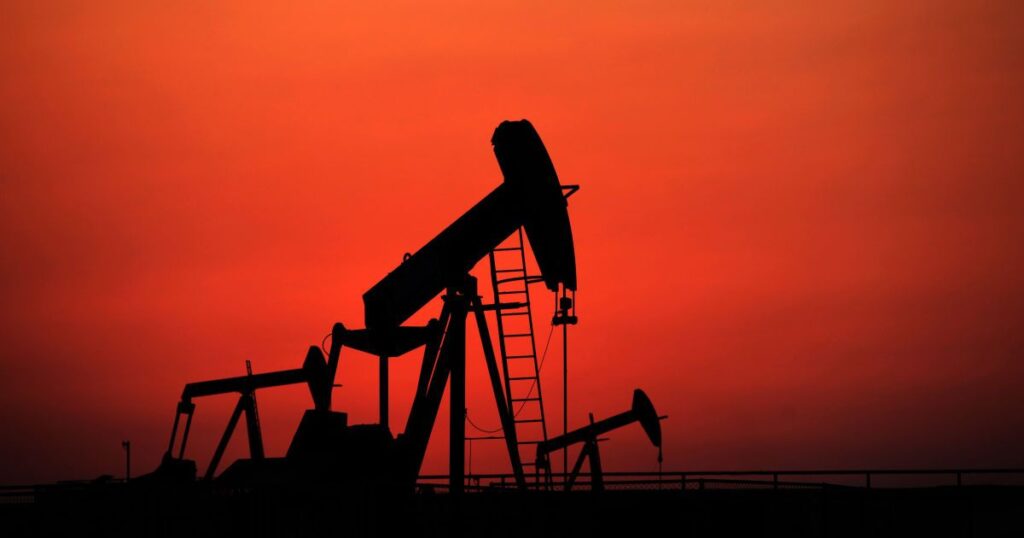
Global oil prices have risen again amid escalating tensions in the Middle East. This was reported by Reuters, according to "Komersant Ukrainian"
On Tuesday, May 26, 2026, Brent crude oil futures rose by more than 2% during Asian trading and reached $98.12 per barrel. U.S. West Texas Intermediate crude traded at $91.79 per barrel.
Why oil prices rose
The main reason for the new price surge was U.S. military strikes on southern Iran. They heightened uncertainty surrounding a potential peace deal between the U.S. and Iran, which was expected to stabilize the situation in the region and restore full traffic through the Strait of Hormuz.
The day before, both oil contracts had been falling in price due to expectations of a diplomatic breakthrough. Markets had hoped that Washington and Tehran would be able to agree on de-escalation and the restoration of free navigation. However, new U.S. strikes and parallel Israeli attacks on targets linked to Hezbollah have once again pushed prices higher.
Brent and WTI: How Prices Have Changed
According to Reuters, as of the morning of May 26, the price of Brent rose to $98.12 per barrel. This represents a gain of over 2% during the Asian trading session.
Futures for U.S. WTI crude were trading at $91.79 per barrel. This is slightly higher than Monday’s closing price, but $4.81, or about 5%, below Friday’s closing level.
There was no full trading session in the U.S. on Monday due to the Memorial Day holiday.
Watch us on YouTube: important topics – without censorship
The Strait of Hormuz remains a key risk
The situation surrounding the Strait of Hormuz remains one of the main factors putting pressure on the oil market. A significant portion of global oil and liquefied natural gas (LNG) flows passes through this strategic maritime artery.
Reuters reports that since the start of the conflict, Iran has almost completely blocked the passage of non-Iranian vessels through the Strait of Hormuz. This has affected about 20% of global oil and LNG flows.
In recent days, however, several vessels have passed through the strait, including LNG tankers bound for Pakistan, China, and India, as well as a supertanker carrying Iraqi oil to China, which had been blocked for nearly three months.
Negotiations may drag on
U.S. Secretary of State Marco Rubio stated that the terms of a new agreement with Iran are still under negotiation, and reaching an agreement could take “several days.” Such statements have dampened market hopes for a quick resolution to the conflict.
Rubio also stressed that the Strait of Hormuz must remain open “one way or another,” highlighting its critical importance for global trade and the energy market.
The market reacts to every signal from the Middle East
Oil prices have remained highly sensitive in recent weeks to news regarding the U.S., Iran, Israel, negotiations, and shipping in the Strait of Hormuz.
Any reports of a possible de-escalation push prices down, while new strikes or delays in negotiations immediately bring the risk premium back into the price of oil.
That is why oil prices fell on Monday amid expectations of a peace deal, but by Tuesday, Brent had risen again following news of U.S. strikes on Iran.
What this means for the global economy
Rising oil prices could intensify inflationary pressures globally. Higher energy costs affect the prices of fuel, logistics, manufacturing, agricultural products, and consumer goods.
Reuters also notes that rising oil prices amid tensions between the U.S. and Iran have already affected investors’ expectations regarding inflation and interest rates. Higher oil prices may force central banks to maintain tighter monetary policy for longer.
What will happen to oil prices next
Future price movements will depend on several key factors: whether the U.S. and Iran can reach an agreement, whether full-scale traffic through the Strait of Hormuz will resume, whether attacks in the region will continue, and whether the risk of energy supply disruptions will persist.
If diplomatic negotiations yield results, prices may fall. If the conflict escalates, however, Brent and WTI could rise again due to fears of an oil shortage in the global market.
Read us on Telegram: important topics – without censorship