Oil Prices Rise Again Amid U.S.-Iran Tensions: Asian Stock Markets Lose Billions
13 July 09:37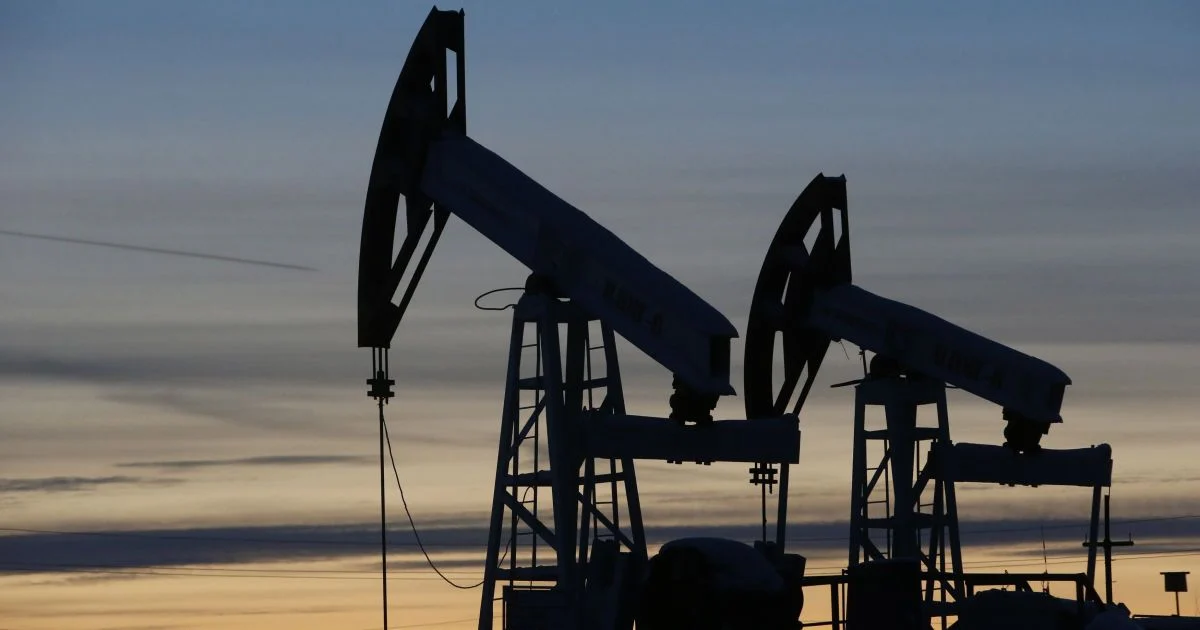
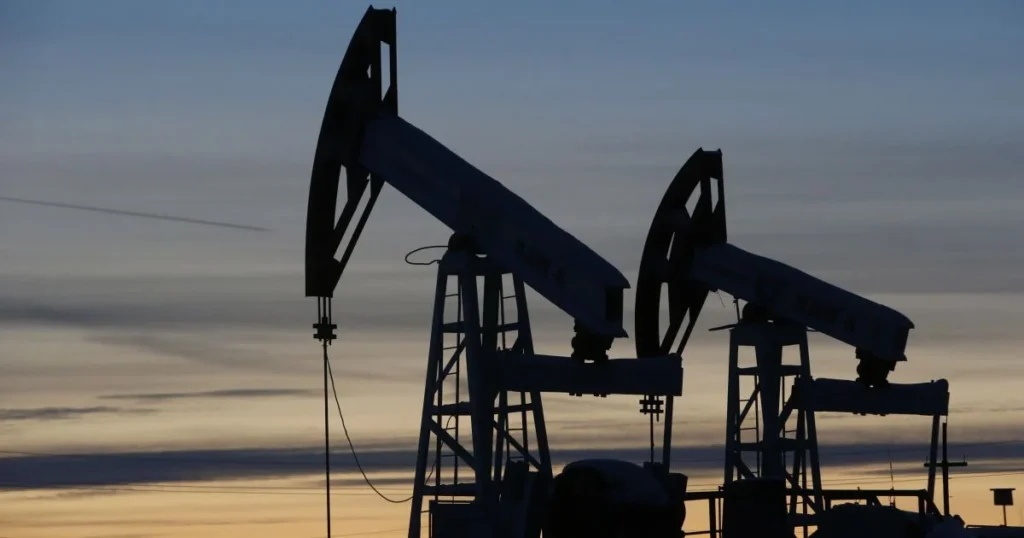
Global oil prices rose sharply following a new wave of military escalation between the U.S. and Iran. At the same time, Asian stock markets opened with significant declines due to investor fears of a possible escalation of the conflict in the Middle East.
This was reported by "Komersant Ukrainian", citing the Associated Press.
Brent and WTI crude oil prices rose sharply
At the start of trading on Monday, global benchmark oil grades showed a sharp rise:
- Brent rose 4.7% to $79.59 per barrel;
- WTI (West Texas Intermediate) rose 4.8% to $74.85 per barrel.
Just recently, prices had nearly returned to pre-war levels between the U.S. and Iran, following the conclusion of a temporary agreement and the resumption of shipping through the Strait of Hormuz.
However, renewed hostilities have once again changed the situation in the energy market.
U.S. stock futures fell, with the S&P 500 futures contract down 0.6% and the Dow futures contract down 0.4%. The Nasdaq futures index fell 1.3%.
Why Oil Prices Are Rising Again
According to the AP, the U.S. launched several waves of airstrikes against targets in Iran after Iranian forces attacked a container ship in the Strait of Hormuz. The ship caught fire, and one crew member is missing.
In response, Iran struck targets in several Middle Eastern countries.
It is precisely the risks to shipping through the Strait of Hormuz—one of the key routes for global oil exports—that have become the main reason for the new spike in prices.
Watch us on YouTube: important topics – without censorship
Asian stock markets fell
Investors reacted immediately.
Major Asian stock indices ended Monday’s first session with significant losses:
- Japan’s Nikkei 225 fell 2.2%;
- South Korea’s Kospi plunged 8.2%;
- the Shanghai Composite lost 1.9%;
- the Australian S&P/ASX 200 fell by 0.1%.
Meanwhile, Hong Kong’s Hang Seng managed to stay in positive territory, gaining 0.1%.
Tech stocks plummeted
Microchip manufacturers were among the biggest losers.
SK Hynix shares on the Seoul Stock Exchange fell 13.3%, even though just a few days ago, following their debut on the U.S. market, they had been surging.
Samsung Electronics shares also fell sharply—by 10.5%.
Experts note that the market is increasingly concerned about a possible overheating of the artificial intelligence sector, which has been one of the main drivers of stock index growth over the past year.
In addition to uncertainty surrounding artificial intelligence, attention on Wall Street is shifting to the upcoming earnings season this spring.
Companies across various economic sectors will have to demonstrate significant earnings growth to justify the rapid rise in their stock prices, which are currently near all-time highs. As early as next week, investors will receive financial reports from a number of the largest U.S. banks, including Bank of America, Citigroup, JPMorgan Chase, Goldman Sachs, and Wells Fargo, which will release their results on Tuesday.
At the same time, concerns about how a further escalation of the conflict between the U.S. and Iran could affect global oil supplies are weighing on forecasts for both energy prices and overall inflation.
High government bond yields continue to put pressure on financial markets around the world. The reason is that rising oil prices and accelerating inflation could force the U.S. Federal Reserve and other central banks to raise interest rates again.
Higher interest rates help curb inflation, but at the same time slow economic growth and negatively affect the value of most investment assets.
In the foreign exchange market on Monday morning, the U.S. dollar strengthened against the Japanese yen, rising to 162.10 yen from 161.72 yen earlier. At the same time, the euro fell slightly to 1.1405 U.S. dollars from 1.1408 dollars.
Read us on Telegram: important topics – without censorship