Don’t miss it tonight: Ukrainians will see two meteor showers at once, but there’s an important detail to keep in mind
30 July 23:56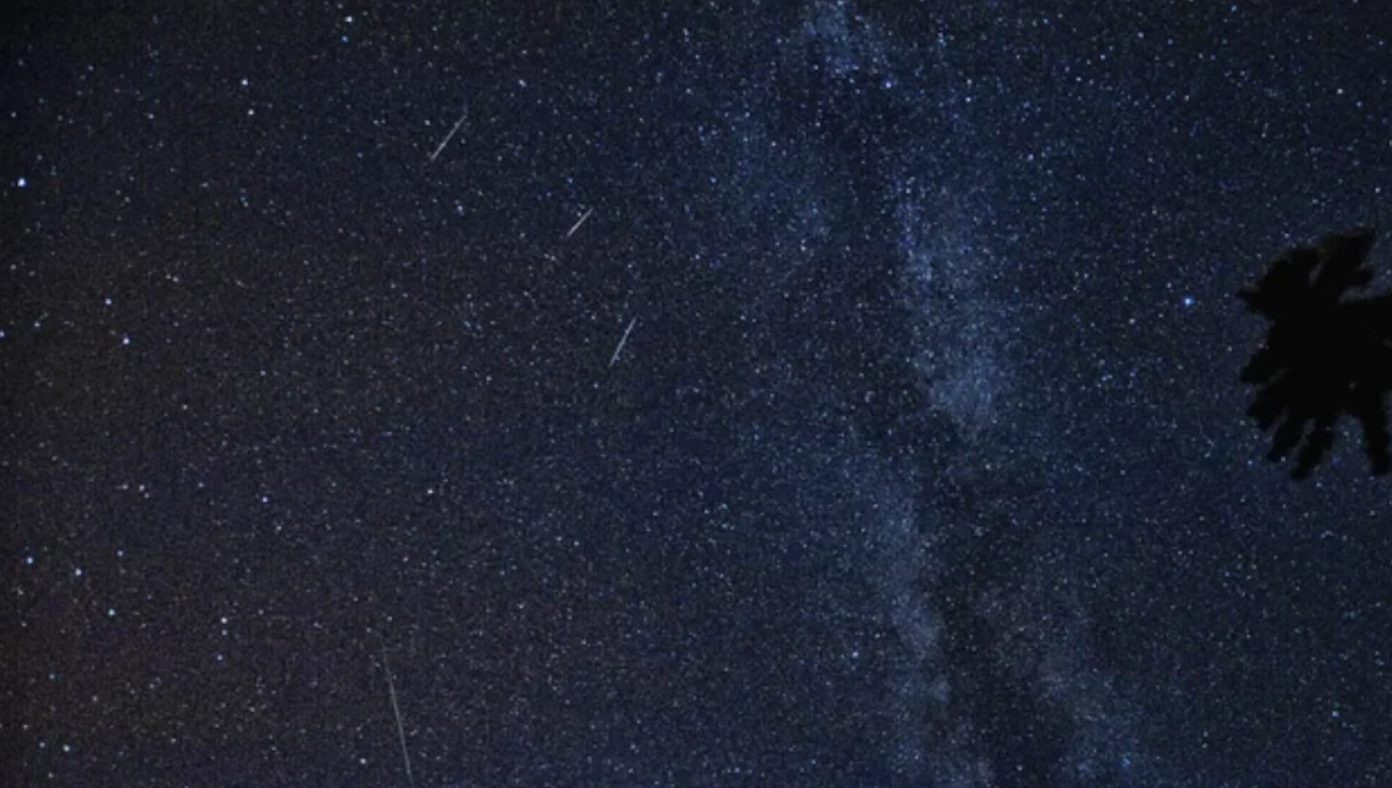
On the night of July 30–31, astronomy enthusiasts will have the opportunity to observe a rare phenomenon— the simultaneous peak of two meteor showers: the Southern Delta Aquariids and the Alpha Capricornids. Live Science reports this, according to "Komersant Ukrainian"
Despite the nearly full moon, which will significantly brighten the sky, the brightest meteors will still be visible.
When to watch the meteor shower
The peak activity of both showers will occur on the night of July 30–31.
The best time for viewing:
- after midnight;
- until dawn;
- away from city lights.
It is during this period that the constellation Aquarius—from which the Southern Delta Aquarids appear to “emerge”—rises highest above the horizon.
How many meteors can you see?
The Southern Delta Aquarids meteor shower is active from July 12 to August 23.
Under ideal conditions, it can produce up to 25 meteors per hour.
Meanwhile, the Alpha Capricornids, which are active from July 3 to August 15, are less numerous— producing about 5 meteors per hour.
However, this shower is famous not for its quantity but for its spectacular nature: it often produces very bright fireballs that can leave long trails of light and even display multicolored hues.
Watch us on YouTube: important topics – without censorship
Why Conditions Aren’t Ideal This Year
This year, the peak of the meteor shower falls just one night after the July full moon, known as the “Buck Moon.”
During the peak, the Moon will be about 98% illuminated, so faint meteors will be much harder to spot.
This will affect the Southern Delta Aquarids the most, as they are not typically very bright.
However, the brightest fireballs of the Alpha Capricornids will remain clearly visible even under these conditions.
If you missed the July meteor shower—there will be an even better chance
Astronomers advise not to be disappointed if you’re unable to see the July meteors due to cloud cover or a bright Moon.
On August 12–13, one of the year’s most famous meteor showers— the Perseids—will reach its peak.
Conditions are expected to be nearly ideal this time, as the peak will coincide with a new moon.
If the weather cooperates, you’ll be able to see up to 100 meteors per hour, making the August meteor shower one of the most spectacular astronomical events of the year.
How to Best Observe Meteors
Experts recommend:
- get away from city lights;
- choose a location with an unobstructed southern horizon;
- allow your eyes 20–30 minutes to adjust to the darkness;
- avoid using bright smartphone screens while observing.
Even with a nearly full moon, you can see the brightest meteors, especially after midnight.
Read us on Telegram: important topics – without censorship