Wholesale gasoline prices in Russia have skyrocketed: what is the price now?
22 June 19:18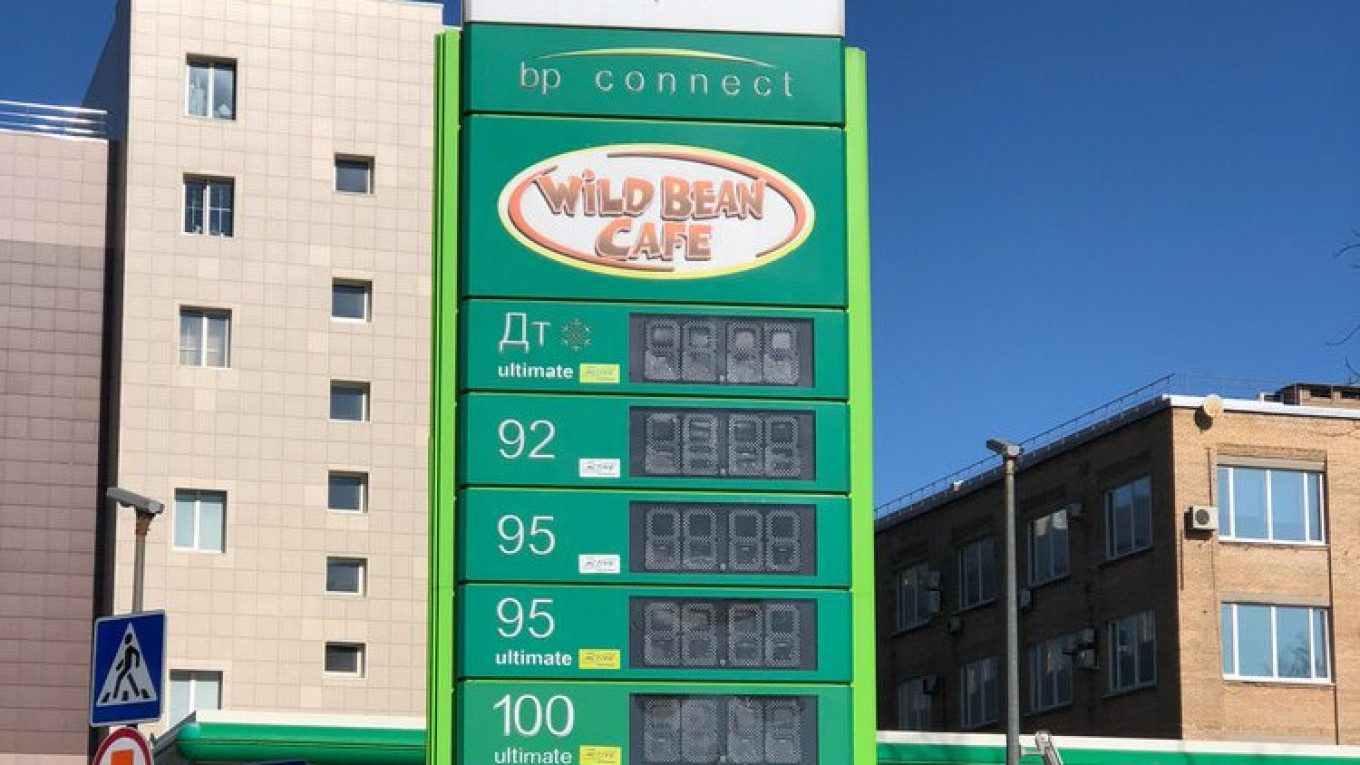
The crisis in the Russian fuel market, where gasoline production has plummeted by 25% following a series of attacks on oil refineries, continues to intensify. According to Reuters, citing traders, due to the growing shortage, the actual wholesale prices at which gasoline and diesel can be purchased at oil depots have soared to record levels and are 80–90% higher than the quotes on the St. Petersburg Commodity and Raw Materials Exchange, reports "Komersant Ukrainian".
In the European part of Russia, gasoline is selling for 130,000–140,000 rubles per metric ton, while official exchange prices stand at 70,600 rubles per metric ton for AI-92 and 75,600 rubles per metric ton for AI-95. In the small-scale wholesale market, according to Reuters sources, as of Monday, June 22, prices reached 95–105 rubles per liter of gasoline and 115 rubles per liter of diesel fuel. This is nearly 1.5 times higher than the average retail prices at gas stations, which, according to Rosstat, stood at 65.41 rubles per liter for AI-92 and 71.11 rubles per liter for AI-95 as of June 15.
According to Reuters sources, following a series of attacks on refineries in June—including facilities in Moscow, Nizhnekamsk, Tyumen, and Volgograd—domestic production is lagging behind consumption by approximately 20%. At the same time, even gasoline purchased on the exchange is not reaching gas stations on time, Reuters sources complain: shipment delays have been mounting since the beginning of the year and have reached 2–3 months. To buy gasoline with delivery in at least a month, you have to pay a surcharge of 20,000–30,000 rubles, and even then, you’ll have to wait about two weeks for delivery. Meanwhile, oil companies have severely restricted or halted small-scale wholesale gasoline sales in order to supply their own gas station networks, which are facing a surge in customers, sources say.
To quell the turmoil in the fuel market, the government has already allowed oil refineries to lower gasoline quality, and purchases have begun from Belarus and even via sea imports from Asia. However, the situation has “reached a breaking point,” and the authorities may face the question of how to “organize the distribution of a scarce resource,” notes a senior research fellow at the Carnegie Berlin Center for Russia and Eurasia Studies.
Watch us on YouTube: important topics – without censorship
In his view, one possible scenario for the government is to abolish the price-cap mechanism, which keeps retail gasoline prices 20–30 rubles per liter lower than they otherwise would be. The alternative is administrative restrictions, such as through QR codes or the Makh messaging app, or “spontaneous” regulation, where people are forced to stand in lines for fuel, notes Vakulenko.
From a political standpoint, abolishing the price cap could prove extremely unpopular. But the government appears to have run out of easy solutions in the current situation, the expert believes.
Read us on Telegram: important topics – without censorship