A political process or a creditors’ ultimatum: what’s happening with electricity rates
5 February 15:41 РОЗБІР ВІД
Reports have appeared in the media regarding a possible increase in electricity rates for residential customers to 8.5 UAH per kWh, however, parliament emphasizes that there are currently no confirmed calculations or draft decisions, and the issue of rates remains the sole political responsibility of the Cabinet of Ministers.
Statement on “creditors’ demands”
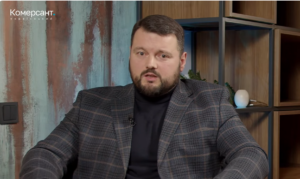
Stanislav Ignatiev, an energy expert at the Ukrainian Institute of the Future, stated that the rate could rise to 8.5 UAH/kWh allegedly due to a demand from international creditors to repay the energy market’s debts. According to him, this is a condition for continued support of the sector.
However, no decisions by the Cabinet of Ministers, the Ministry of Energy, or the NEURC confirming such intentions have been publicly announced.
Who Decides on the Tariff
MP Oleksiy Kucherenko commented
“Look, I have absolutely no idea why this guy, Mr. Ignatyev, suddenly made this statement. Whether he has any calculations or sees a draft decision somewhere, I don’t know. You’d have to ask him where he got this news.
The only thing I can tell you is that I have long warned that, inevitably, sometime closer to spring, around May, experts, bloggers, politicians, and other specialists will start appearing in Ukraine, hammering away at the topic of raising electricity and gas prices for the public. They will definitely be there.
The government makes the decision; the government sets this price for electricity. Therefore, this will be a political process, not a simple one.
I count our political force among those who will definitely oppose this. At the very least, I will demand justification—that they present the rationale and calculations. No one knows how things will unfold from here.
Ukrainians elected their government, and it formed a cabinet. The government will make certain decisions. There are many problems.”
Are the tariffs linked to the energy market’s debts?
Commenting on the creditors’ demands, Kucherenko stated that an audit of the debts must be conducted before any decisions are made.
“Regarding the energy market’s debts, first and foremost, we probably need to audit these debts and determine how they arose.”
At the same time, he agreed with one of Ignatiev’s arguments—regarding the role of the “green tariff.”
“The only thing he writes there that I would like to draw all readers’ attention to is that he is, in fact, perhaps one of the first to tell the truth: that this demand and these debts are linked to the absurd tariff-setting for green investors. Here I agree with him completely: the government’s senseless policy on green tariff pricing has led to a massive increase in these debts and a burden on Ukraine’s state energy market campaign.”
Conflict of Interest
At the same time, the deputy emphasized that Ignatyev is an interested party, not a neutral expert.
“But he’s mistaking his desires for reality, because he has business interests there, including in the installation of green power plants.
Therefore, he is not an expert; he is an interested party who wants the energy market to pay him for the green projects he has implemented there. That is why he is an interested party.”
As a reminder, earlier the National Commission for State Regulation in Energy and Public Utilities (NKREKP), in response to a request from