Over 1,500 drones in a single day—and without “Kalibrs”: Experts reveal the enemy’s new tactics
14 May 20:44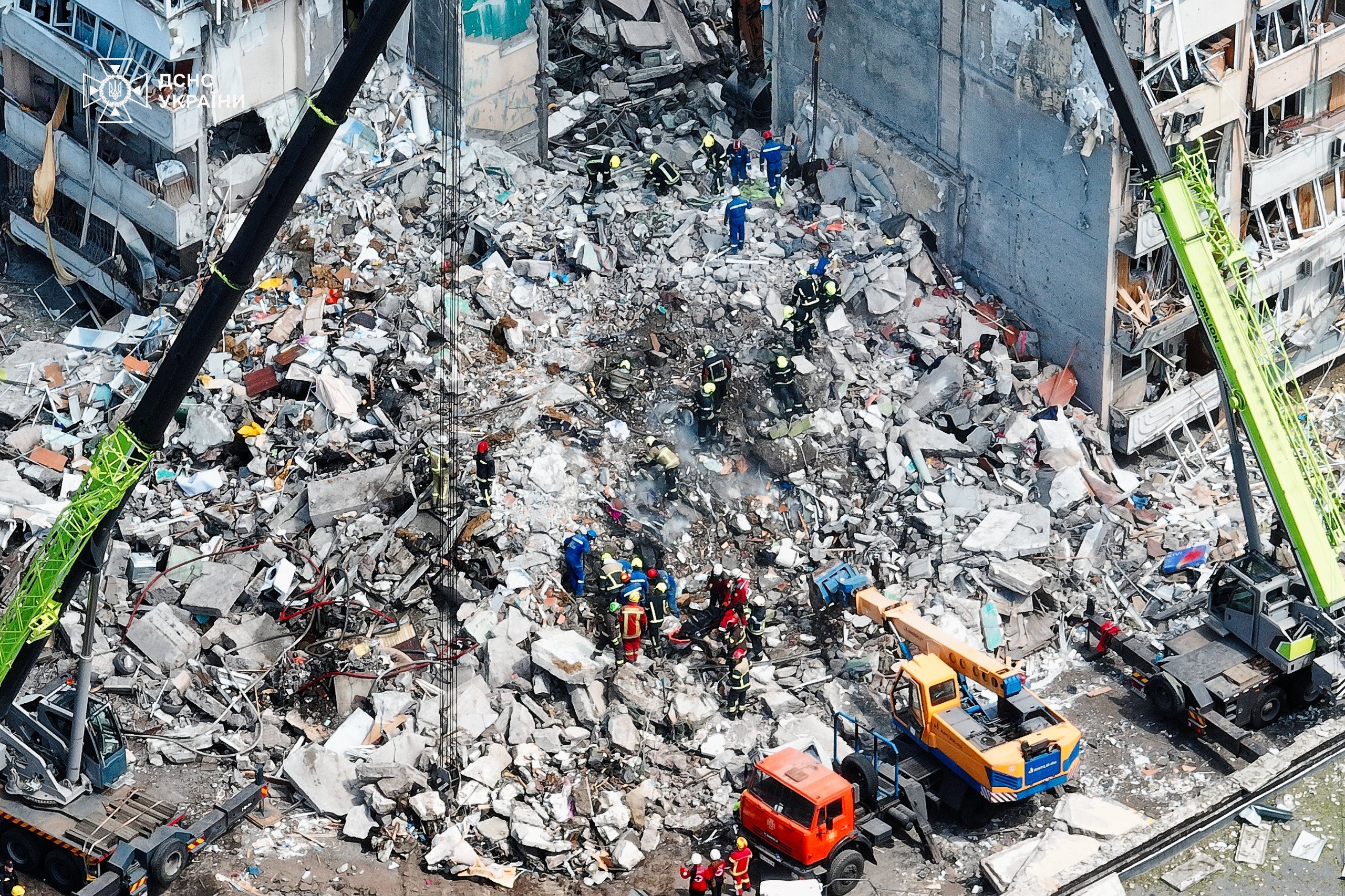
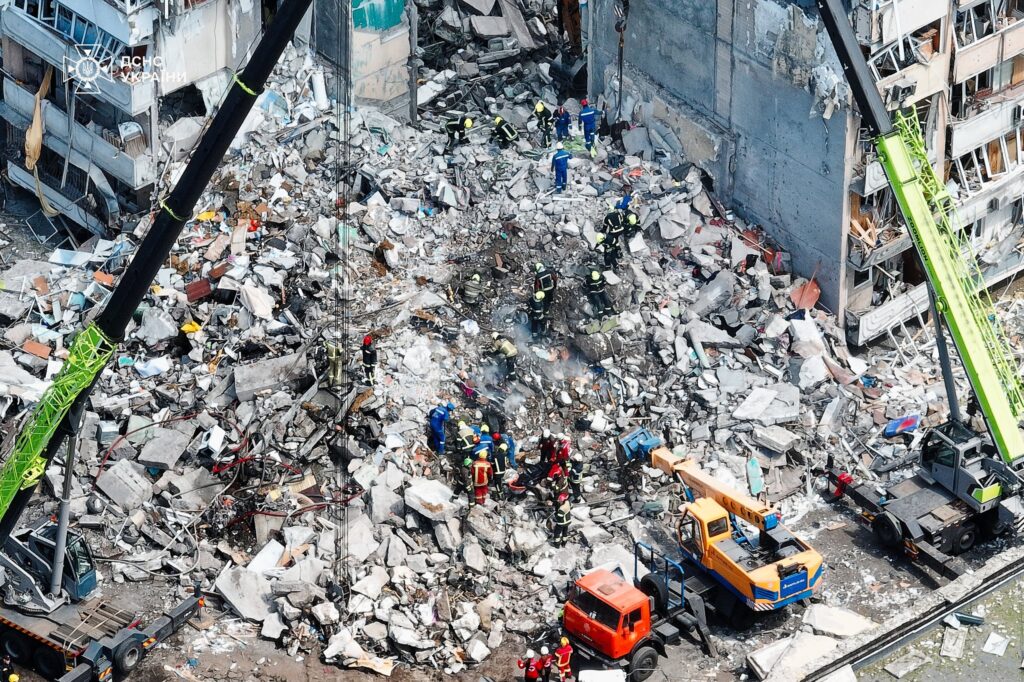
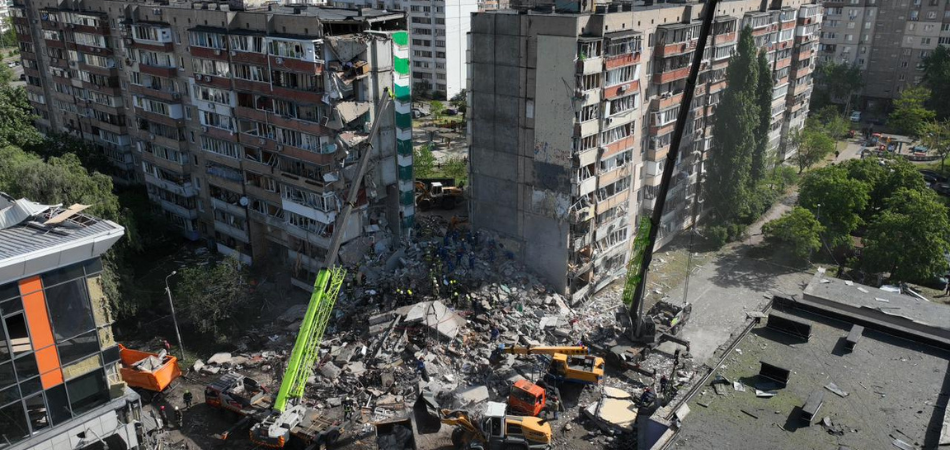
On the night of May 13–14, Ukraine endured one of the largest-scale air attacks since the start of the full-scale invasion. The enemy deployed over 1,560 drones and dozens of missiles in an attempt to breach Ukraine’s air defense system. Despite the combined nature of the strike and the use of new types of weapons, the defenders of the skies managed to repel yet another onslaught. The air battle stretched from the capital to the farthest corners of the west, from the northern borders—where the enemy treacherously exploited the airspace of neighboring states—to the maritime frontiers.
Why did the attack last more than a day, and why did the Russian Black Sea Fleet remain in port? How can an ordinary TikTok video serve as a guide for a “double strike” against rescuers? And most importantly—will we manage to fill the skies with interceptor drones before the next massive strike? "Komersant Ukrainian" investigated.
Ukrainian President Volodymyr Zelenskyy highlighted the cynicism of the aggressor’s actions. According to him, such intense shelling indicates the Kremlin has absolutely no intention of ending the war through diplomatic means.
“In total, since the beginning of yesterday, the Russians have deployed more than 1,560 drones against our cities and communities. These are certainly not the actions of those who believe the war is coming to an end,” the Head of State stated.
Record-breaking attack: details from the Air Force
Yuriy Ignat, head of the Communications Department of the Ukrainian Air Force Command, revealed the technical details of this unprecedented enemy operation. According to him, the attack actually lasted without interruption for over 24 hours, allowing it to be viewed as a single, massive strike.
Chronology of the shelling:
- The night of May 13: 139 drones;
- During the day on May 13: 753 drones (a record daily attack);
- The night of May 14: 675 drones.
Total: over 1,560 UAVs. According to Yuriy Ignat, the enemy used the so-called “ceasefire” to build up its resources. The Russians employed a “mishmash” of various means: from the familiar “Shaheds” to decoys (“Parody”), jet-powered UAVs, and even strategic drones like the “Orion” and “Forpost.”
“They tried to cut corners by using the airspace of Belarus and Moldova, hugging their borders to shorten the route and bypass our interception zones,” Ignat noted.
The Battle for Kyiv and the Patriot System
The main strike that night was directed at Kyiv. In addition to a swarm of drones, the enemy launched Iskander-M ballistic missiles, S-400 systems, and cruise missiles.
The Patriot system performed with maximum effectiveness in the capital’s skies. Air defense results:
- 12 out of 18 ballistic missiles were shot down;
- A significant portion of the cruise missiles and the vast majority of attack UAVs were intercepted.
The massive drone attack on the night of May 14 served as a test for the new interception system Ukraine is developing. Aviation expert Kostyantyn Kryvolap discussed the “bottleneck” tactic, the role of weather, and the dangers of immediate social media posts in an exclusive interview.
According to Kostyantyn Kryvolap, Ukraine is currently actively implementing a system that would allow drones to be intercepted at the front lines, preventing them from reaching major cities. However, the enemy is constantly looking for weak spots in this network.
This time, the main target was the area where the borders of Ukraine, Belarus, and Russia meet—the so-called “Three Sisters” point.
“The Russians launched a massive, powerful attack there, using a huge number of ‘Shaheds.’ They moved along our northern border and then spread out across the western regions,” explains Kryvolap.
Another, smaller stream came from the south, moving between the Odesa and Mykolaiv regions. Kryvolap emphasizes: this is not a fundamentally new tactic, but an attempt at “overwhelming” —creating an extremely high concentration of drones in a narrow section of the front to overload existing defense capabilities. Despite these difficulties, the expert notes that Ukrainian air defense is performing “decently,” although the enemy had expected a significantly lower shoot-down rate at this point.
Why hasn’t Russia used “Kalibrs”?
During the latest large-scale shelling of Ukraine, Air Force reports did not record a single launch of “Kalibr”-type missiles. Dmytro Pletenchuk, spokesperson for the Ukrainian Navy, explained on the “Apostrophe” TV channel where the naval component of the attacks had gone and why there are no longer any safe harbors for the occupiers.
For over a month now, Ukraine has not observed the use of “Kalibr” cruise missiles from the waters of the Azov-Black Sea region. According to Dmytro Pletenchuk, the reasons for this pause lie not so much in logistical problems in Novorossiysk as in security risks for the ships themselves.
“The capability to handle logistics in Novorossiysk exists. We need to look for other reasons here: the danger of going out to sea and the low effectiveness of the system at this stage, since most of these missiles are being shot down by our forces,” noted Navy spokesperson Pletenchuk.
Although traditionally during massive attacks the enemy combined airstrikes with naval strikes, it is now reluctant to move its launchers into firing positions. The statistics on losses in the Russian Black Sea Fleet are striking. While a year ago there were eight active “Kalibr” launchers, today their number has effectively been cut in half.
The current state of the enemy’s naval group, according to Pletenchuk:
- In service: 5 units (3 surface ships and 2 submarines).
- Out of commission: The frigates “Admiral Essen” (definitely damaged) and “Admiral Makarov” (highly likely damaged during attacks on the port of Novorossiysk).
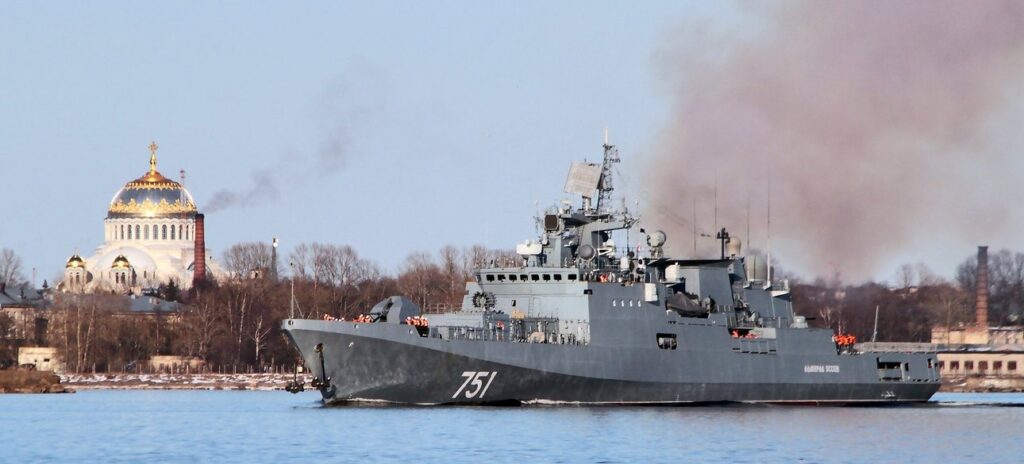
Pletenchuk emphasized that targeted attacks on combat units in the port of Novorossiysk are bearing fruit—the ships remain in service but are effectively unable to carry out combat missions. However, during this attack, the main pressure from the sea came from drones.
“Today’s attack involved about fifty ‘Shaheds’ from the sea. Dozens of them were shot down by the Navy. Currently, this is the main type of weaponry they are using from this direction,” Pletenchuk emphasized.
The threat of a “double strike” and dangerous content
Kryvolap sharply criticized residents who post footage of incoming attacks or air defense operations online, specifically mentioning posts regarding strikes on Mukachevo, Uzhhorod, and Lutsk.
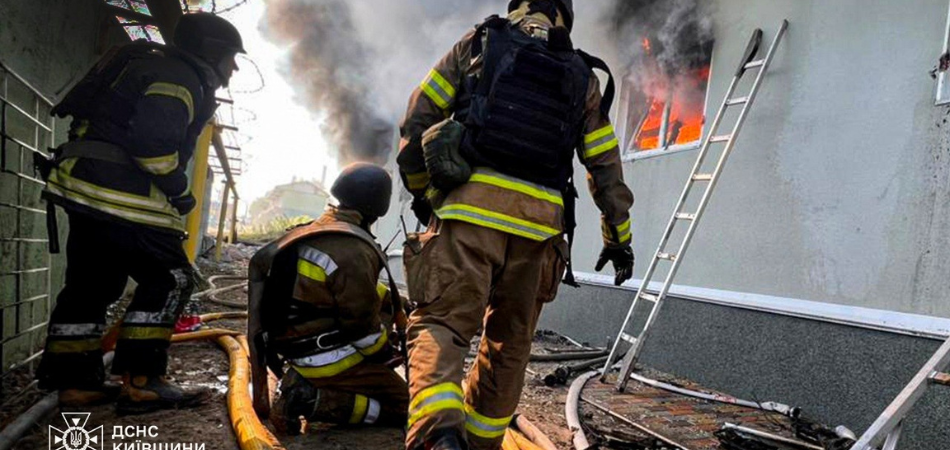
“Russian specialists are monitoring our footage in real time. This is a matter of your safety: what you film could become a target for a second strike. There is a ‘double strike’ tactic—where a target is hit a second time as soon as rescue workers arrive,” Kryvolap warned.
He urged people to share footage with friends or channels no sooner than 2–3 days after the event, so that the enemy cannot use this information to adjust their fire in real time.
Forecast: When will the next strike come, and do we have enough resources?
The Air Force believes that such intensity is the result of a buildup, not the daily norm for Russia. Typically, the enemy launches between 150 and 200 UAVs per day.
“If they had the ability to launch that many every night, they would do so. But we see that they are forced to take breaks to gather ‘all available resources,’ including rare units,” explained Yuriy Ignat.
Despite difficulties with missile supplies and the need for new operators of anti-aircraft interceptor drones, Ukraine continues to demonstrate a unique example of resilience to the world. Ukrainian air defense is now officially recognized as one of the most experienced in the world, capable of withstanding invasions that seemed impossible just a few years ago.
At the same time, Kostyantyn Kryvolap acknowledges that Ukraine still critically lacks resources: both the interceptor drones themselves and trained personnel to manage complex defense scenarios. Joint developments with leading global companies (such as Palantir) are already helping to predict the paths of enemy attacks, but the system still requires large-scale resource allocation.
“The Russians have been preparing for a long time; this attack was expected. They will likely try to take their next steps elsewhere, looking for new breakthrough opportunities. Therefore, we need to be as vigilant as possible and not ignore security measures,” Kryvolap concluded.
Volodymyr Zelenskyy, in turn, called on international partners not to stand idly by and to strengthen their support for Ukraine. The President placed particular emphasis on the importance of the PURL program, which is critically necessary for protecting Ukrainian cities from ballistic missiles.