There are plans to prohibit prosecutors and investigators from serving as witnesses in their own cases
18 May 06:09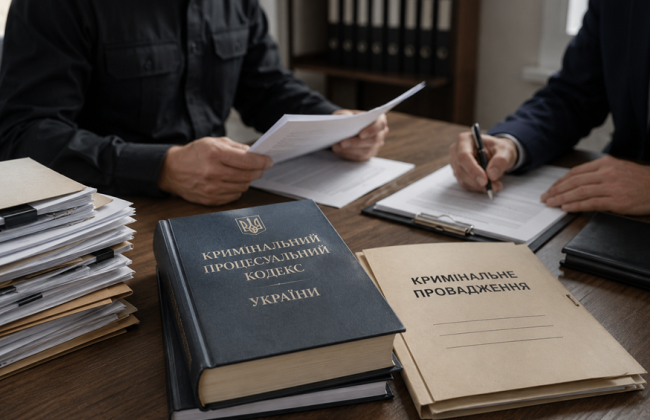
Bill No. 15246, “On Amendments to the Criminal Procedure Code of Ukraine Regarding Ensuring the Equality of Procedural Rights of All Participants in Criminal Proceedings Before the Law,” has been registered in the Verkhovna Rada. This was reported by "Komersant Ukrainian", citing the Supreme Court of Ukraine.
The bill concerns the procedural status of representatives of the prosecution in criminal proceedings and the procedure for using their testimony as evidence.
Watch us on YouTube: important topics – without censorship
The initiative aims to amend the provisions of the CPC regarding the participation of prosecutors, investigators, inquiry officers, and employees of operational units in criminal proceedings in which they acted as representatives of the prosecution.
Essence of the changes and key provisions
The bill proposes amendments to Articles 65 and 77 of the Criminal Procedure Code of Ukraine.
The main novelty of the bill lies in expanding the list of persons who cannot be questioned as witnesses in criminal proceedings.
In particular, it is proposed to supplement Article 65 of the CPC of Ukraine with a new paragraph stipulating that “a prosecutor, investigator, inquiry officer, an operative unit employee” may not be questioned “regarding circumstances that became known to them in connection with the performance of their duties as a member of the prosecution (on their own initiative or by written order) in the same criminal proceedings.”
The amendments also concern Article 77 of the CPC, which regulates the grounds for recusal. It is proposed to revise the title of the article to read: “Grounds for the Recusal of a Prosecutor, Investigator, Preliminary Inquiry Officer, or Operational Unit Officer.”
In addition, the bill proposes to extend the rules on recusal to employees of operational units in cases where they participated in the same proceedings as witnesses or where other circumstances exist that may cast doubt on their impartiality.
In the explanatory note, the authors of the bill note that employees of operational units, while carrying out the instructions of an investigator or prosecutor, effectively perform the functions of the prosecution, and their subsequent examination as witnesses in the same proceedings may affect the balance of the parties’ procedural rights.
In other words, Bill No. 15246 proposes to amend the procedural rules governing the participation of representatives of the prosecution in criminal proceedings.
The document prohibits the examination of prosecutors, investigators, inquiry officers, and members of operational units as witnesses regarding circumstances that became known to them while performing the functions of the prosecution, and extends the rules on recusal in criminal proceedings to operational personnel.
What might change in practice
If the bill is adopted, the prosecution will be limited in its ability to use the testimony of operational personnel as evidence in proceedings where they carried out procedural assignments or participated in investigative or covert investigative (search) activities.
At the same time, the proposed changes may spark debate regarding the practical collection and evaluation of evidence in criminal proceedings, particularly in cases where operational officers directly participated in investigative or covert investigative (surveillance) activities.
This may require the prosecution to more clearly distinguish the procedural roles of the participants in the proceedings in order to avoid the risk of evidence being deemed inadmissible or grounds for recusal arising.
Read us on Telegram: important topics – without censorship