Retailers have begun to pull out en masse from opening new stores in Moscow shopping malls: what are the reasons?
13 May 12:16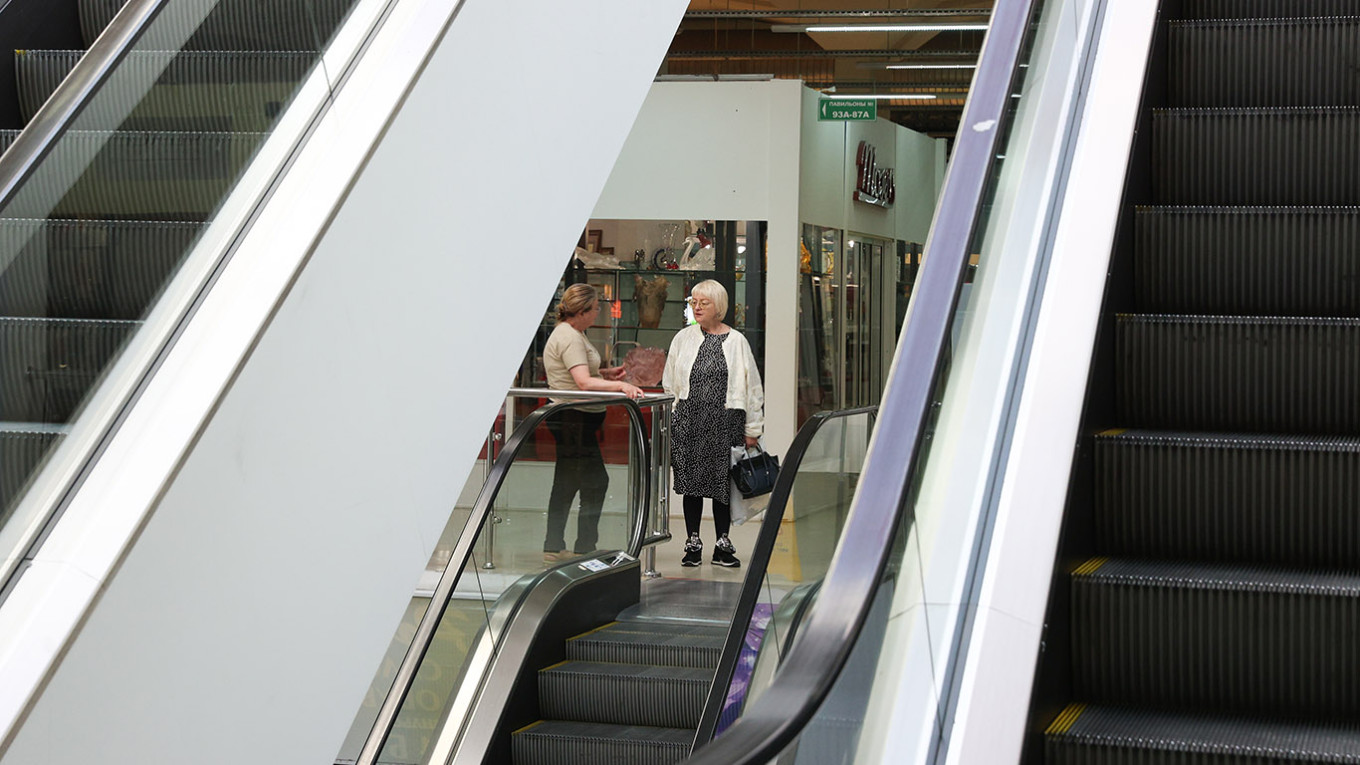
Retailers have sharply curtailed the opening of new stores in Moscow as Russians have tightened their belts. Between January and March of this year, 80 new retail outlets with a total area of 21,000 square meters opened in 52 key shopping centers in the Russian capital, representing a 55.8% year-over-year decline in the number of stores and a 26.9% decrease in total floor space. This follows from calculations by CORE.XP, cited by Russian propaganda media, reports "Komersant Ukrainian".
Russian brands are becoming increasingly cautious about expanding their chains and are postponing the launch of new locations until shopping traffic recovers, noted CORE.XP representative Yevgeniya Prylutskaya. International chains have also slowed their expansion into the Russian market. While 25 and 23 new foreign brands appeared in Russia in 2023 and 2024, respectively, their number in 2025 was half that—11, according to Kateryna Nogay, head of the research and analytics department at IBC Real Estate. Since the beginning of 2026, not a single international player has entered the market, she added.
Watch us on YouTube: important topics – without censorship
Meanwhile, shopping center foot traffic continues to decline. According to Focus Technologies’ estimates, in the first quarter of 2026, the number of visitors per 1,000 square meters in retail properties across Russia fell by 2% year-over-year and by 25% compared to the same period in 2019. Against this backdrop, retailers have begun actively closing stores. Gloria Jeans, Concept Club, Finn Flare, O’stin, All We Need, and Desport have already reduced their retail presence. In 2026, international brands such as Les Benjamins, Karaca Home, Gaissina, Face Code, and KChTZ exited the Russian market. According to CORE.XP, retailers have closed a total of 208 stores since the beginning of the year, occupying a combined 46,600 square meters.
As a result, according to CORE.XP, the vacancy rate in Moscow shopping centers rose by 1 percentage point year-over-year to 5.7%. Currently, the strategy of shopping center owners is focused on retaining existing tenants and filling vacant space. Downtime and the search for new tenants can be costly, so some properties are offering discounts for the first few months of the lease, as well as flexible payment terms and temporary formats, market participants said. Despite this, “there will be more closures than the market would like,” believes Pavel Lyulin, an expert at the Association of Retail Real Estate and Retail Experts.
Prior to this, the Central Bank of the Russian Federation highlighted the widespread shift among Russians toward a frugal lifestyle. The regulator’s research showed that consumers are cutting back on purchases of expensive electronics, food, clothing, and footwear. According to a survey by the Platform Center for Social Research and the OnIn company, the majority of Russians (82%) are concerned about the economic situation in the country and expect that over the next year, prices for food and housing and utility services will rise faster than their incomes.
Read us on Telegram: important topics – without censorship