What Lies Behind the Transformation of Russian Retail in 2026
27 April 16:57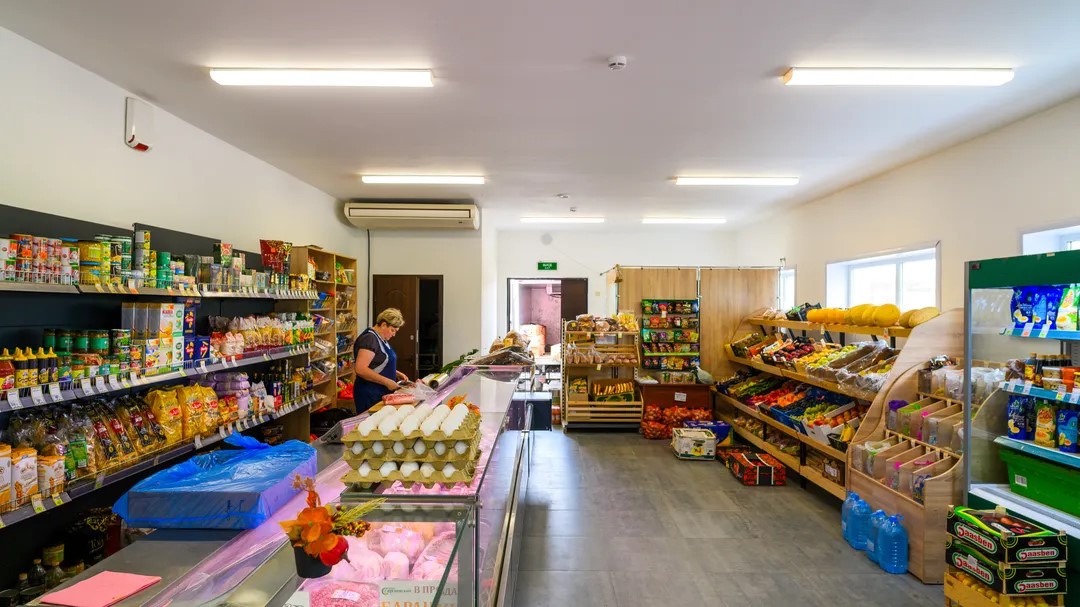
The structure of the retail sector in Russia is changing, and these changes clearly indicate that people are starting to save more. Overall, the number of stores in the country has increased by 5.8%, but the main driver has been discounters—stores offering the lowest possible prices.
This was reported by the Foreign Intelligence Service of Ukraine, according to "Komersant Ukrainian".
Over the past year, the number of low-price stores has increased by 26.4%, which is the highest rate among all retail segments.
Revenue from these stores jumped by 67.3%, which may indicate that demand is shifting toward cheaper goods.
Read us on Telegram: important topics – without censorship
What the intelligence report says
The report explicitly states that this is a sign of a shift in consumer behavior. In fact, people are turning away from more expensive purchases and switching to basic goods.
“Discounters have become the main driver of growth. This trend usually indicates a decline in real household income or, at the very least, a growing sense of economic instability. When expenses rise or incomes fail to keep pace with prices, consumers begin to look for cheaper alternatives,” the agency notes.
In fact, the market shows that demand is not disappearing, but its structure is changing.
“Overall, these dynamics indicate structural changes in the country’s economy: demand is shifting toward cheaper goods and retail formats, which is an indirect indicator of a decline in household incomes and increased financial pressure on households,” the Foreign Intelligence Service concluded.
Watch us on YouTube: important topics – without censorship
As a reminder, since the beginning of 2026, Russia has sold nearly 22 tons of gold from its reserves to finance the budget deficit. This amounts to 21.772 tons, which, according to the data, were sold amid a sharp increase in the Russian Federation’s budget deficit, which reached 4.6 trillion rubles by the end of March.