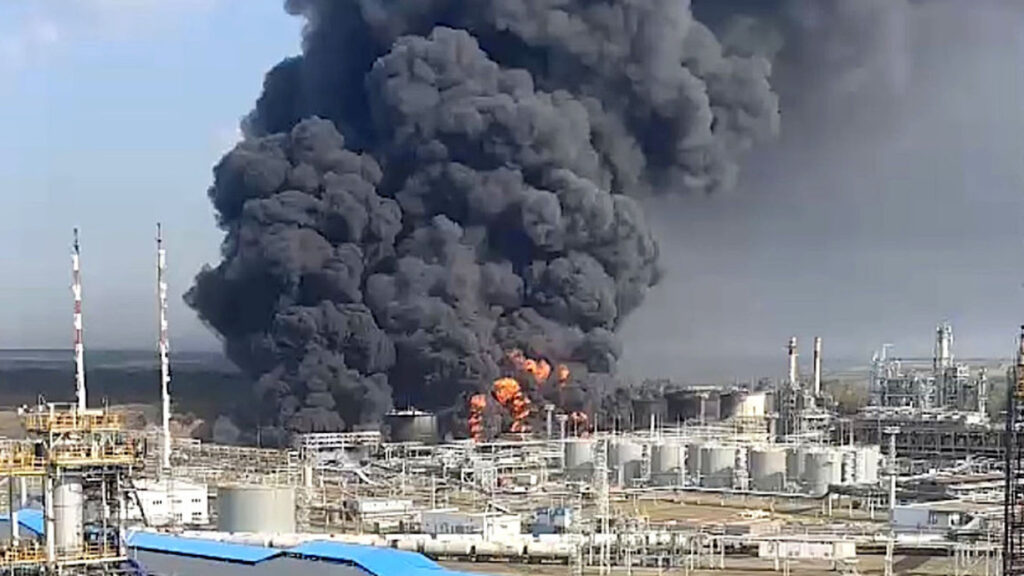
The situation is catastrophic: Russia has been able to restore less than half of the oil refineries damaged by drones
21 July 19:16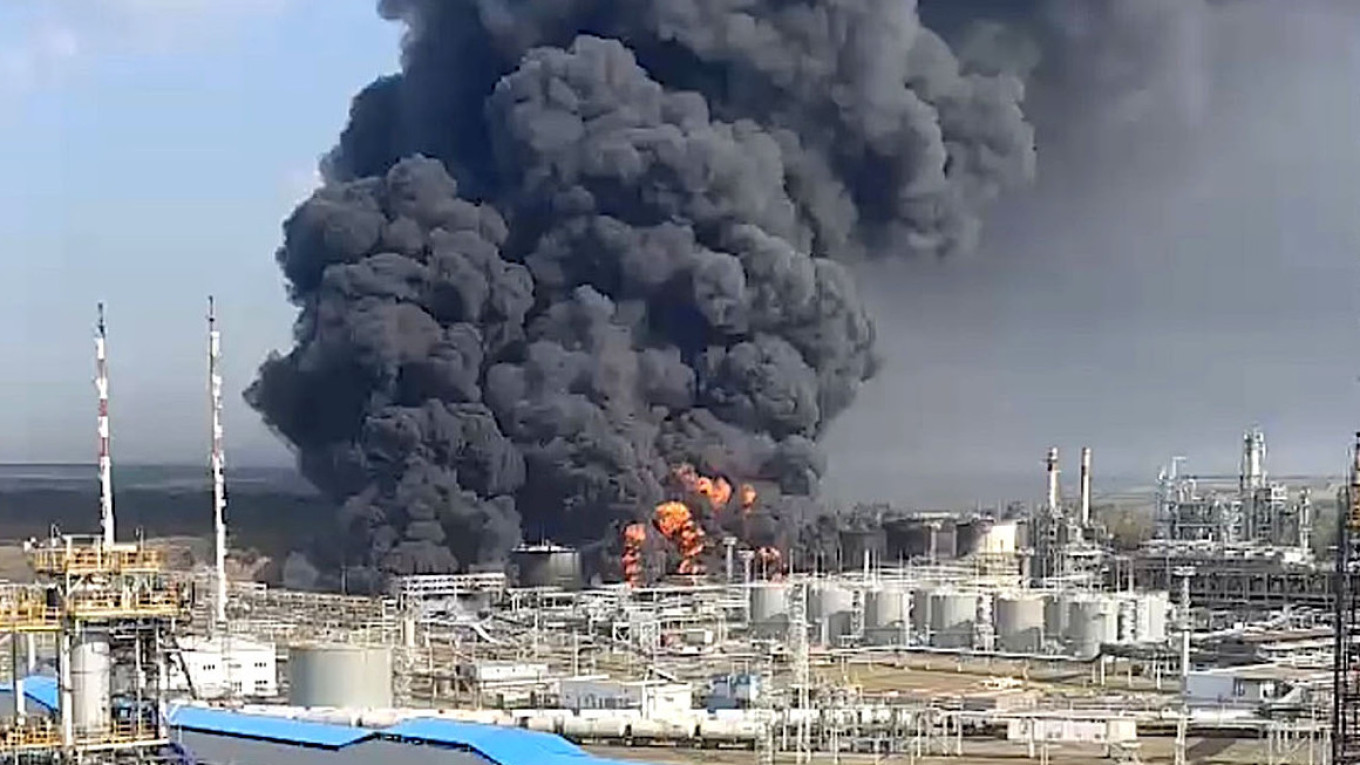
Russian oil companies have managed to restore just under half of the capacity at refineries that were damaged by drone strikes in recent months. This is reported by "Komersant Ukrainian", citing Russian propaganda media.
Refineries with a combined capacity of 40 million metric tons per year have resumed selling fuel on the exchange following unscheduled repairs. However, large facilities with a capacity of 45 million metric tons per year remain idle.
In June and July, at least 10 Russian refineries halted oil processing due to drone attacks. In the last three weeks alone, the following refineries suspended crude oil intake: “Gazpromneftekhim Salavat,” Rosneft’s Syzran and Saratov refineries (July 12), as well as Gazpromneft’s Omsk refinery and Lukoil’s Nizhegorodnaftorgsintez. Among the refineries that halted operations in June were Gazpromneft’s Moscow refinery and Tatneft’s Taneco plant, both of which are among the top five largest in Nizhnekamsk.
As a result, oil refining volumes in Russia, according to Energy Intelligence estimates, fell to a 20-year low of 3.5 million barrels per day. But now the gasoline shortage is gradually beginning to ease, according to an industry source cited by the media. According to the source, more capacity has recently been brought online than has been taken offline. At the same time, oil companies are actively selling off their gasoline reserves: these have fallen to 1.5 million metric tons, although they stood at 1.7 million at the end of June.
A full recovery of gasoline and diesel production—which fell by 25% and 40%, respectively—will take at least two months, provided there are no new airstrikes, industry sources said earlier. The refinery in Moscow sustained the most severe damage; its repairs will drag on until 2027 and could cost approximately $1 billion.
High seasonal demand will persist over the next two months, so there is no reason to expect a sharp improvement in the situation, said Sergey Frolov, managing partner at NEFT Research. The balance between supply and demand cannot be restored immediately, and a noticeable increase in production will only be possible toward the end of the year, as the affected refineries return to operation, the expert emphasized.
Watch us on YouTube: important topics – without censorship