Tusk announced in Warsaw the construction of a Wall of Remembrance for Polish victims in Ukraine
11 July 17:25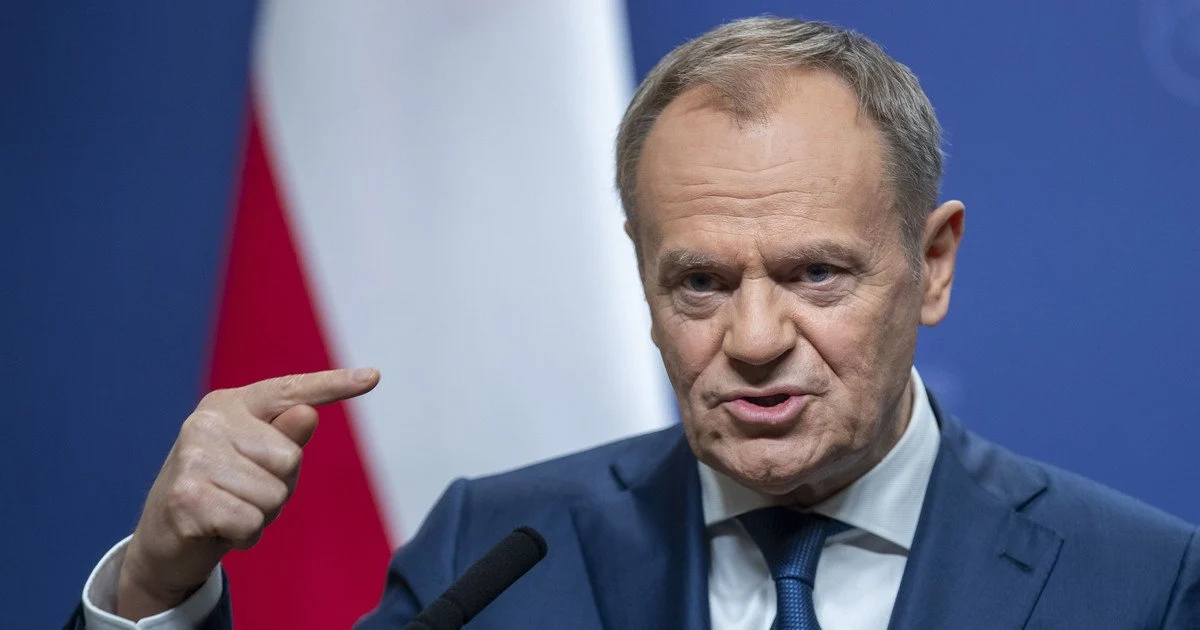
On July 11, Poland observes the National Day of Remembrance for the Victims of the Genocide against Citizens of the Second Polish Republic. This date was established to mark the anniversary of the so-called “Bloody Sunday” on July 11, 1943, when, according to Polish historiography, a wave of mass killings of the Polish population took place in Volhynia. In Poland, this day is considered the culmination of the Volhynia tragedy.
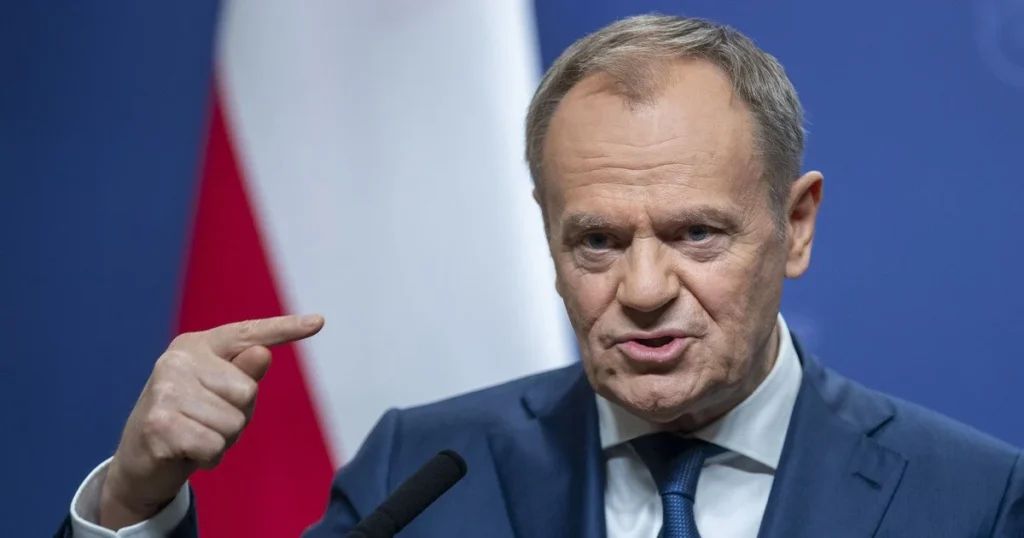
Polish Prime Minister Donald Tusk called the Volhynia tragedy “a genocide committed by Ukrainian nationalists against Poles and Polish citizens of other nationalities,” writes "Komersant Ukrainian", citing PAP.
“The victims cannot remain nameless; they cannot be denied a dignified burial. Remembering them is our shared duty to their loved ones, to the Polish people, and to the Polish state. That is why, as prime minister, I have made effective efforts to resume, after a long hiatus, the search and exhumation of the victims of the Volhynia massacre, as well as other Polish victims of 20th-century wars in Ukraine, whose remains have not yet been given a proper burial,” said the head of the Polish government.
According to Tusk, it is essential to preserve the memory of every victim—by name. “That is why a Wall of Remembrance will be erected in Warsaw, featuring an eternal flame and the names of every victim found and identified. The Republic of Poland will not forget a single one of them,” the prime minister emphasized.
Watch us on YouTube: important topics – without censorship
He stressed that memory cannot be a tool of hatred.
“The response to nationalism cannot be more nationalism. Memory and truth must help us build a better future, free from hatred and contempt,” Tusk said.
According to the prime minister, “A Europe of peace and mutual respect—a Europe that was able to reconcile after World War II—became possible thanks to the truth and the ability to call things by their proper names.” “Anyone who wants to join this community must be prepared to accept this truth,” he noted.
“Today, we bear responsibility for our future and the safety of our children and grandchildren. This is a shared responsibility of Poland, Ukraine, and Europe. Today we need solidarity in the face of common threats, and solidarity is built on the foundation of truth, memory, and hope,” Tusk concluded.
The Wall of Remembrance will become yet another monument dedicated to the Volhynia tragedy. Work is currently underway to establish the Museum of Remembrance for the Victims of the Volhynia Tragedy in Chełm, founded in 2023.
In Poland, the term “Volhynia Massacre” refers to the killings of the Polish civilian population in the former Eastern Borderlands, which, according to Polish historiography, were committed by Ukrainian nationalists from the Organization of Ukrainian Nationalists (OUN), the Ukrainian Insurgent Army (UPA), and other nationalist groups. The events took place primarily in Volhynia, as well as in Eastern Galicia and in the territories of the modern Lublin and Subcarpathian Voivodeships.
Read us on Telegram: important topics – without censorship