Attacks on oil refineries caused the Russian Federation’s oil and gas budget revenues to plummet by one trillion rubles
4 July 10:12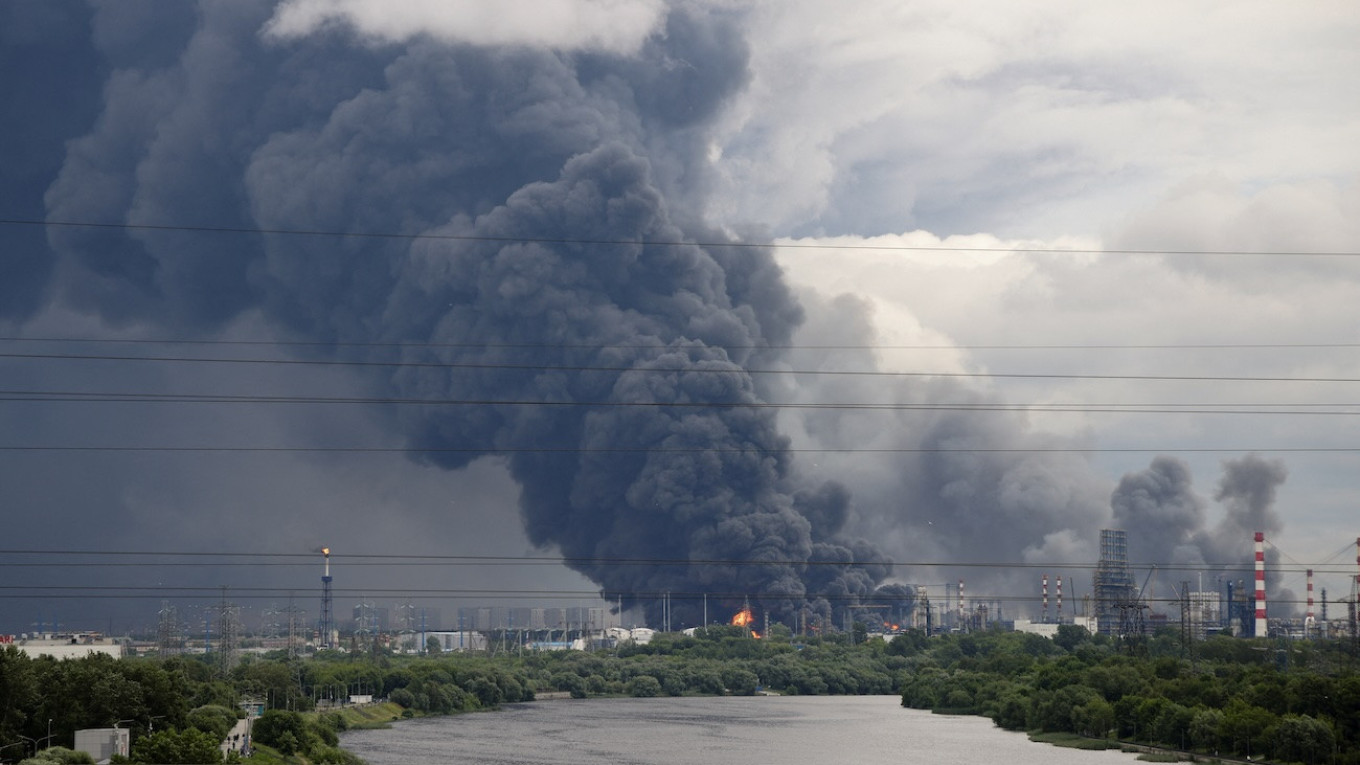
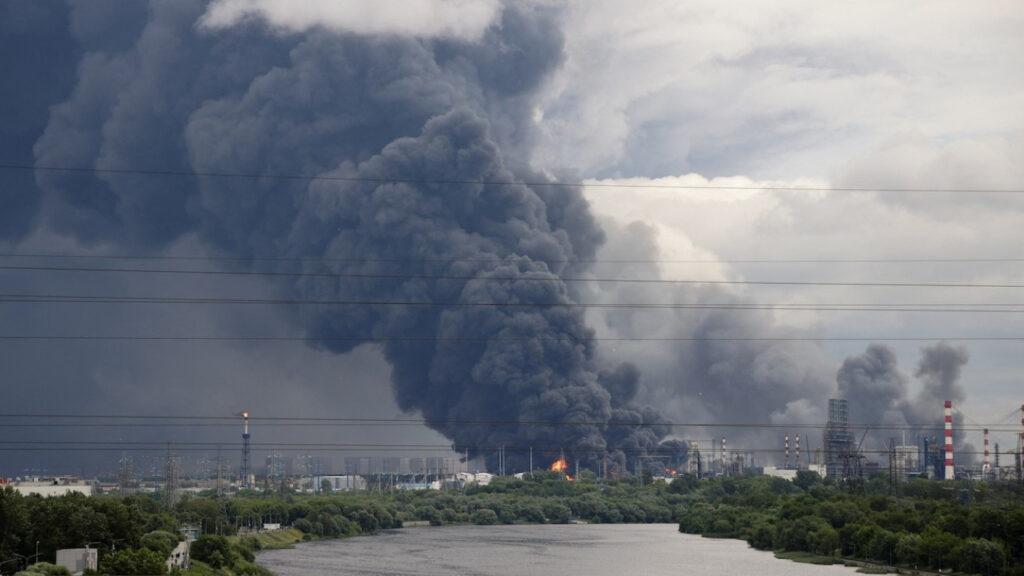
For the third month in a row, the Russian government has been paying record subsidies from the budget to oil companies whose refineries—which have become targets for Ukrainian Armed Forces drones—are burning down one after another. This is reported by "Komersant Ukrainian", citing Russian propaganda media.
In June, the federal treasury transferred 312.5 billion rubles to oil companies—210.6 billion as part of the shock-absorption mechanism and 101.9 billion through a reverse excise tax, according to data published by the Russian Ministry of Finance.
A month earlier, the volume of subsidies amounted to 357.3 billion rubles, and in April—359.3 billion. Over the three-month period, oil companies received a cumulative total of 1.029 trillion rubles—an amount equivalent to two annual budgets of large regions such as the Sverdlovsk Oblast or the Krasnoyarsk Krai.
Payments under the “dampener”—a mechanism introduced in 2018 to stabilize domestic gasoline prices—have reached record levels since December 2023. The reason for this, according to Raiffeisenbank analysts, is difficulties in oil refining.
As a result, the budget is losing oil and gas revenues due to soaring oil prices. In June, the government collected 968 billion rubles in mineral extraction taxes—59% more than a year earlier. However, one out of every three rubles was returned to oil companies in the form of subsidies.
Total oil and gas tax revenues in June amounted to 683.6 billion rubles, exceeding last year’s figure by 38%. However, in the first half of the year, the cumulative inflow of resource rent into the budget fell by 23%, to 3.66 trillion rubles—the lowest level since 2020.
In the 2026 budget bill, the Ministry of Finance projected 8.92 trillion rubles in oil and gas revenues—440 billion rubles more than it was able to collect the previous year. In reality, however, the budget managed to meet only 41% of its oil and gas tax target over the past six months, and by the end of the year, according to the Accounts Chamber’s forecast, the shortfall will amount to about 1 trillion rubles.
By the end of the summer, pressure on the budget will intensify due to falling prices for Russian oil, notes Vladimir Chernov, an analyst at Freedom Finance Global. Following the end of the war in Iran, the price of Urals crude fell below $45 per barrel by the end of June, whereas in April it had reached $100 and higher.
Paradoxically, the fuel crisis in Russia is also putting downward pressure on the price of Urals: due to problems at refineries, Russia began exporting more crude oil while simultaneously purchasing gasoline abroad, including from India, which has strengthened the bargaining position of Indian buyers, Chernov notes. As a result, discounts on Urals at Indian ports nearly doubled by the end of June—from $4 to $7 per barrel.
“For Russia, the sharp drop in oil prices means lower export revenue, pressure on oil companies, and lower oil and gas revenues for the budget,” Chernov warns.
Following the federal budget, the budgets of the oil companies themselves will also suffer. Damage to refinery infrastructure, which is currently leading to losses in oil refining, will eventually result in repair costs amounting to at least several hundred billion rubles, notes economist Kirill Rodionov. Repairs to the Moscow Refinery alone—which was struck twice and has suspended operations until 2027—will cost approximately $1 billion, according to estimates by analysts at the investment bank “Sinara.”
Watch us on YouTube: important topics – without censorship