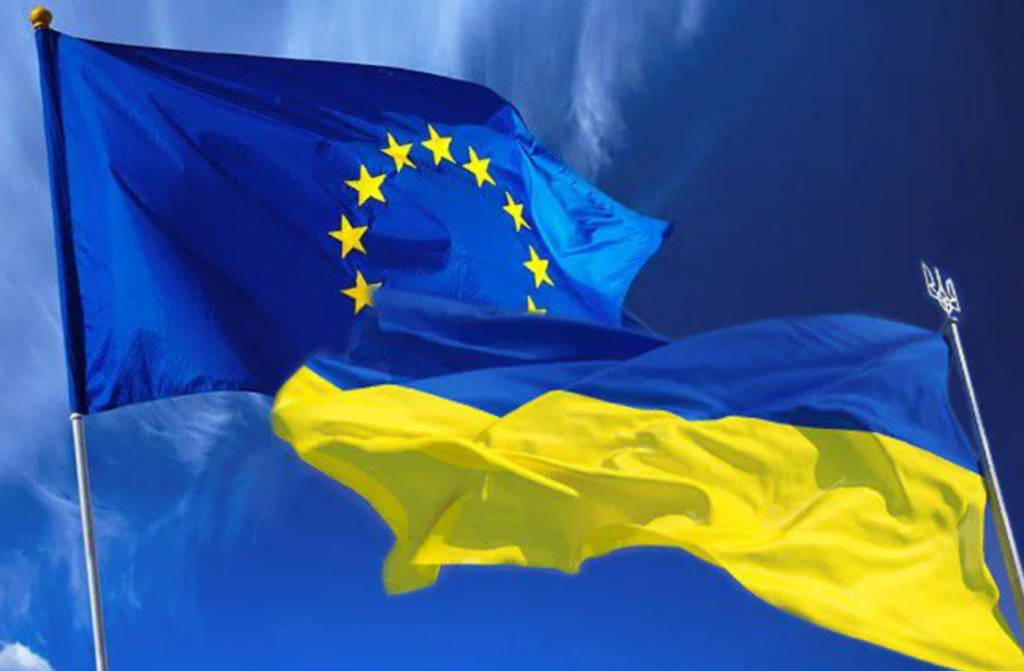
Ukraine has taken a step closer to the EU: Ambassadors have agreed to launch the first cluster
13 June 05:41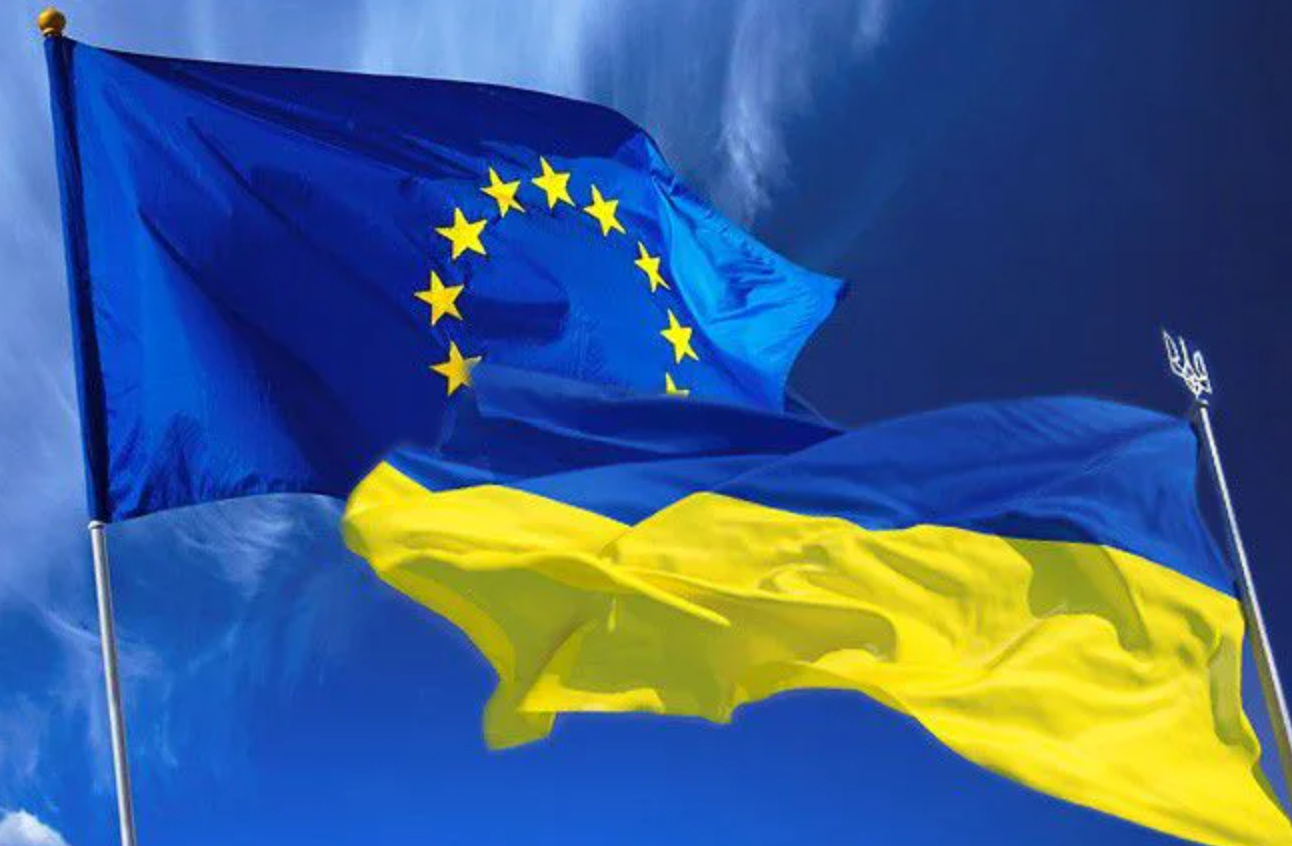
Ambassadors from the 27 European Union member states have agreed to move forward with negotiations on Ukraine and Moldova’s accession to the EU. The first stage of negotiations is set to begin as early as Monday and will focus on the so-called cluster of fundamental issues—the foundation of the entire European integration process. This was reported by "Komersant Ukrainian" citing Reuters.
For Ukraine, this decision has not only political but also symbolic significance. Despite Russia’s full-scale war, Kyiv continues its drive toward EU membership, which President Volodymyr Zelenskyy calls one of the state’s key strategic priorities.
What the EU ambassadors decided
In Brussels, EU ambassadors agreed that Ukraine and Moldova can move to the first phase of membership negotiations.
This involves opening the first negotiation cluster—“Fundamental Issues.” This cluster is considered the foundation of the EU accession process, as it covers the rule of law, democratic institutions, human rights, the judicial system, and key reforms.
The first intergovernmental conference, at which this cluster is to be opened, is scheduled for Monday.
Zelenskyy’s reaction
Ukrainian President Volodymyr Zelenskyy thanked the European Union and its leaders for this decision. In a post on Telegram, he called it a strong step for Europe and congratulated Moldova.
“Ukraine is doing what is necessary, and it is important that the EU also keeps its word,” Zelenskyy stated.
According to the president, the opening of the first negotiation cluster is an important political and moral support for Ukraine and the Ukrainian people.
What Moldova said
Moldovan President Maia Sandu, during a conversation with European Council President António Costa, emphasized that her country has done the necessary work to advance on the path to the EU.
According to her, Moldova will continue to implement the reforms necessary for EU membership.
Ukraine and Moldova are moving forward together in the European integration process, and for both countries, EU membership is seen as a way to secure their future within the European political and economic space.
Why the negotiations were delayed
EU leaders agreed to open accession negotiations with Ukraine and Moldova back in December 2023. However, the actual start of the process was long blocked due to the position of the previous Hungarian government regarding Kyiv’s membership application.
The situation changed after the new government in Budapest reached an agreement with Kyiv regarding the rights of the Hungarian minority in Ukraine. This allowed Hungary to lift its blockade of the first phase of negotiations.
What Are Negotiation Clusters
In the process of joining the EU, candidate countries must align their legislation and institutions with EU standards. The negotiations are divided into thematic sections grouped into six clusters.
These include fundamental rights, the internal market, external relations, and other areas. The first cluster, which is being opened for Ukraine and Moldova, concerns fundamental reforms and serves as the “backbone” of the entire negotiation process.
Watch us on YouTube: important topics – without censorship
Statement by Costa and von der Leyen
European Council President António Costa and European Commission President Ursula von der Leyen called the decision a major step forward for the European Union.
They stated that the opening of the first cluster is a recognition of the determination, courage, and work that Ukraine and Moldova have demonstrated in advancing reforms even under extremely difficult circumstances.
The EU also emphasized that this is a signal: the European Union’s offer of peace, stability, and opportunities remains unique for candidate countries.
Does this mean Ukraine’s rapid accession to the EU?
The opening of the first cluster does not mean Ukraine’s rapid accession to the EU. Membership negotiations typically take years and involve extensive work on reforms.
Ukraine must align its legislation with EU standards, strengthen its institutions, continue judicial and anti-corruption reforms, and meet a series of requirements in the areas of human rights, the economy, public administration, and the market.
At the same time, the current decision is an important political signal: the EU is confirming its readiness to move forward with Ukraine and Moldova in the enlargement process.
Read us on Telegram: important topics – without censorship