Ukraine allocates land for Rheinmetall plant: start of joint ammunition production
12 September 2025 20:16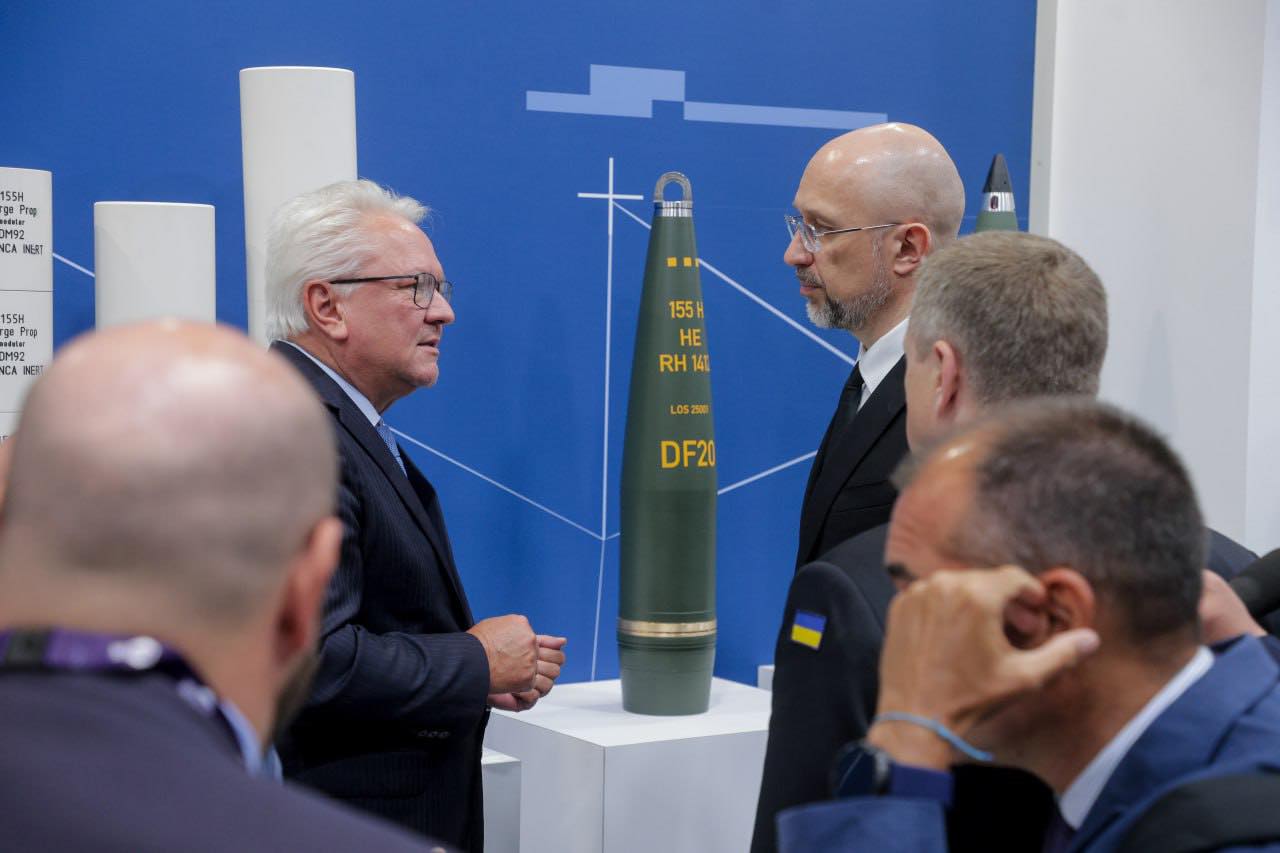
Ukraine has officially allocated a land plot for the construction of a plant of the German defense concern Rheinmetall.
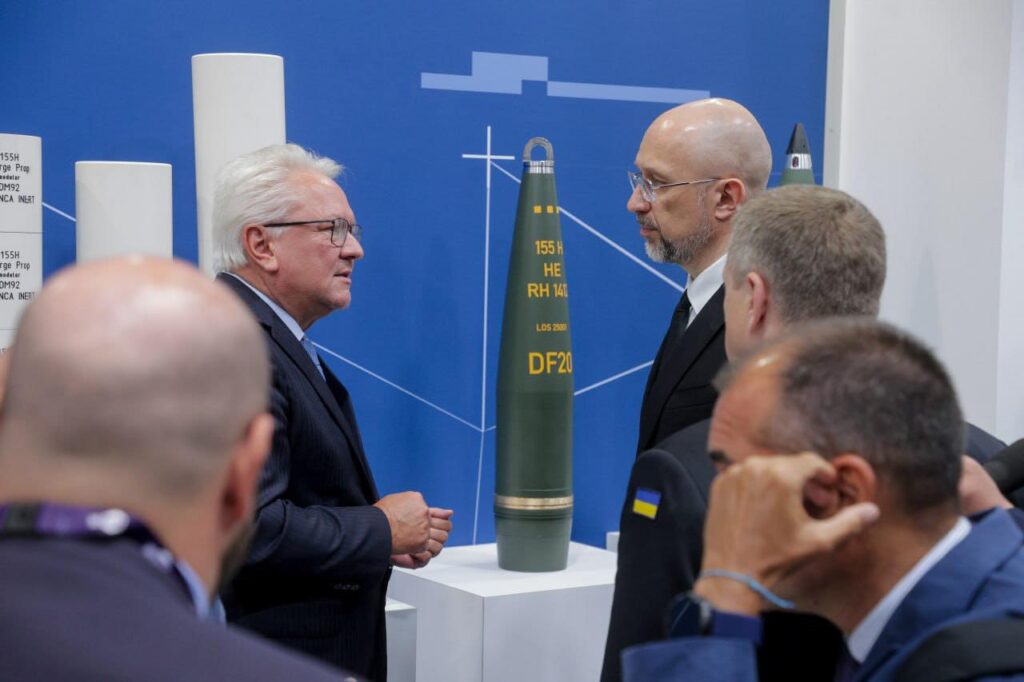
This was announced by Prime Minister Denys Shmyhal after a meeting with the company’s CEO Armin Papperger at the DSEI arms exhibition in London, "Komersant Ukrainian" reports.
According to Shmyhal, the site is located in a “safe region” and will become a site for the production of artillery shells for the needs of the Defense Forces.
Details of the agreement
- The land allocation took place on September 9.
- The plant will specialize in the production of ammunition.
- The cooperation also includes the production of armored vehicles and air defense systems.
- At the same time, projects for the repair and production of armored vehicles, including new Rheinmetall developments, are being discussed.
- A special emphasis is placed on the joint development of systems to combat Russian drones.
Why it is important
Rheinmetall is a key supplier for Ukraine, in particular for Skyranger air defense systems, the production of which is planned to be scaled up. The joint plant in a secure region will reduce Kyiv’s dependence on external supplies and provide a stable ammunition production channel in times of high demand.
Rheinmetall is Europe’s largest producer of artillery shells. In July 2025, the company opened a new plant in Germany and announced plans to build two production facilities in Bulgaria.
Since the beginning of the full-scale war, Ukraine has become one of the company’s main partners: Rheinmetall repairs equipment, supplies air defense systems and artillery.
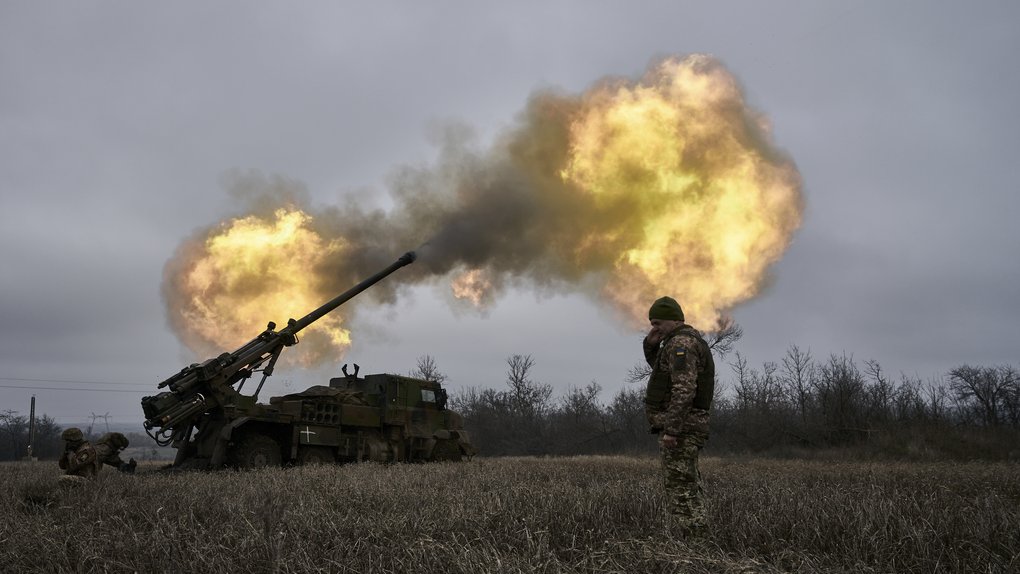
The issue of ammunition shortages in Ukraine is one of the most acute in the war: The EU and the US have repeatedly acknowledged that production rates do not keep pace with the needs of the frontline.
Possible risks
- Plant security: even in a “safe region,” potential attacks by Russian drones or missiles remain a real threat.
- Logistics and supply: the plant will need a steady supply of raw materials, and the war may disrupt transportation chains.
- Political and economic pressure: Russia may try to influence the project through sanctions or cyberattacks.
Locating the plant in Ukraine could mean a new stage – from a consumer of aid to a partner in production.
If the project is implemented in a short time, it will allow Kyiv to gain strategic autonomy in the provision of ammunition and become part of the European defense ecosystem.