There are already 114,000 people missing in Ukraine: why special task forces can’t immediately begin searching for them
9 August 16:10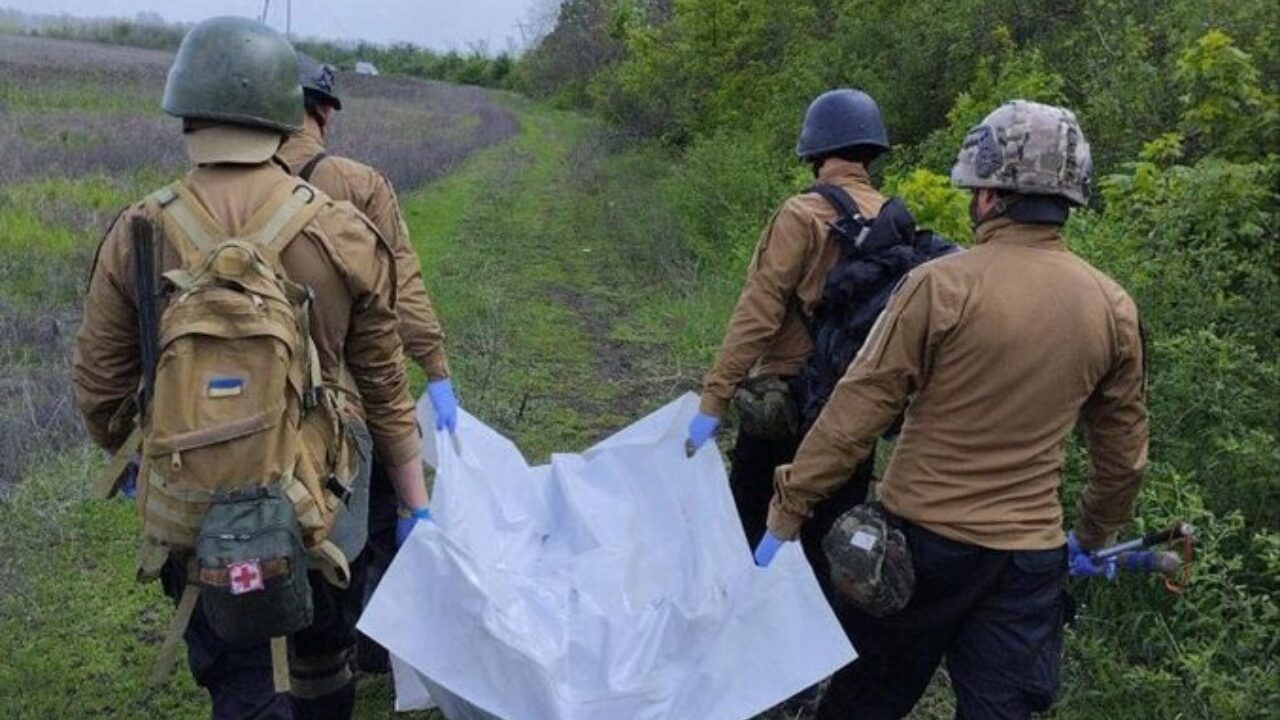
As of July 2026, 114,000 civilians and military personnel in Ukraine are considered missing under special circumstances. This means that their whereabouts and fate remain unknown. At the same time, the actual number of missing persons may be higher. Access to information from the temporarily occupied territories remains limited, and in some cases, no missing persons report may have been filed, writes "Komersant Ukrainian", citing the Media Initiative for Human Rights.
There are many reasons for this, such as relatives living in the occupied territory, the absence of relatives, or a reluctance to file a report.
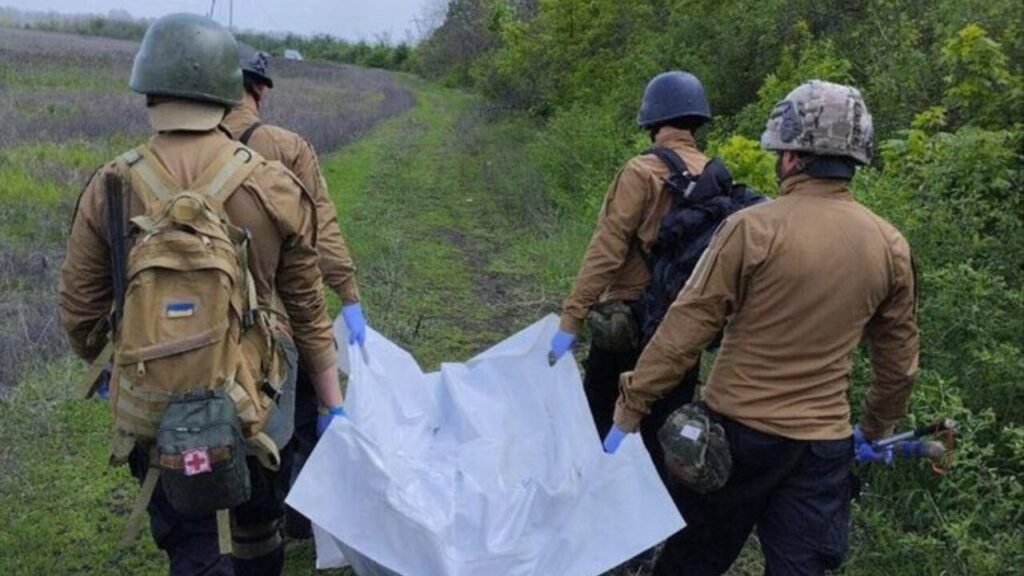
For many families, the uncertainty lasts for months or even years. One of the mechanisms that helps determine the fate of the missing is the work of search teams. They travel to locations where the bodies or remains of the deceased may lie, conduct search operations, and recover what they find. However, even when the location of a person’s disappearance is known, a search team cannot always reach it.
In this article, we explain who forms search teams, where they get information about where to look, and why such teams sometimes have to wait many years before they can set out.
Watch us on YouTube: important topics – without censorship
What Is a Search Team and Who Is Part of It
Search teams are formed by the Central Directorate for Civil-Military Cooperation of the General Staff (CD CMC GS) of the Armed Forces of Ukraine in coordination with the Coordination Headquarters for the Treatment of Prisoners of War. They are tasked with searching for persons missing under special circumstances, including both military personnel and civilians. Search teams survey areas where the missing may be located, search for and document burial sites, and locate and recover the bodies and remains of the deceased. The search teams consist of military personnel from the Directorate, as well as representatives of the National Police, the State Emergency Service, and international organizations.
Specialists from the International Committee of the Red Cross (ICRC) and the International Commission on Missing Persons (ICMP) have participated in specific search and exhumation operations. For example, following the de-occupation of Izyum in the Kharkiv region, ICMP specialists—including anthropologists—participated in the handling of remains found at a mass grave site near a forest.
How do search teams know where to look?
The coordinates of the locations where people went missing are entered into an interactive map on the Delta platform, which is used to plan further search operations. In the case of missing military personnel, information about the location and circumstances of their disappearance is provided by their military unit. Delta is not publicly accessible; only representatives of Ukraine’s security and defense forces can use the system.
As for civilians who have gone missing in the temporarily occupied territories, in the combat zone or near the line of contact, relatives or witnesses can report their disappearance to law enforcement by providing any known details, such as the person’s place of residence or the last place they were seen. As part of the criminal investigation, investigators collect and verify information that may help pinpoint a specific location for further search operations.
Why a search team cannot immediately go to the scene
Having the coordinates does not mean that the search can begin immediately. One of the main obstacles is the security situation. Search teams cannot operate in occupied territory or directly in an active combat zone. Even after a settlement or military positions have been liberated, they must remain at a safe distance from the front lines before they can begin their work.
Therefore, a report that a certain area has been liberated does not mean that search teams can go there immediately. The distance to the front line and other security risks must be taken into account. Because of this, months or even years may pass between a person’s disappearance and the actual search of the site.
Why a Body Might Not Be Found Even at a Known Location
Even if a search team eventually gains access to the site where a person went missing, this does not guarantee that their body will still be there.
After capturing Ukrainian positions, Russian forces may remove the bodies of the deceased. Some of these bodies are later returned to Ukraine as part of repatriation efforts.
In other cases, bodies or remains may remain in the field for a long time. The longer the territory remains occupied or inaccessible to search teams, the more difficult the subsequent work becomes. Due to the passage of time, weather conditions, and combat operations, bodies may be severely damaged or fragmented. In such cases, specialists are brought in to help locate human remains and transfer them for further forensic examination and DNA identification.
In territories that have long been occupied, Ukrainian search teams cannot operate independently. Conducting search and exhumation operations there requires agreements with the opposing side and may take place with the participation of international humanitarian organizations.
Can Witness Testimony Help?
Information from witnesses can be one of the sources for determining a person’s possible whereabouts or place of death.
This is particularly important in cases involving missing civilians. Testimony regarding where a person was last seen, the circumstances under which they went missing, where they might have been buried, or where witnesses saw the body can be provided to law enforcement as part of criminal proceedings.
That is why documentation is important even when the area remains inaccessible. Search operations may begin much later, but it is crucial to record information about a person’s potential whereabouts or burial site immediately.
What Families of the Missing Need to Know
Olena Belyachkova, coordinator of the groups for families of prisoners of war and missing persons at the International Institute for Human Rights (IIHR), explains that families of servicemembers often try to obtain the coordinates of the disappearance site or drone footage, hoping this will help determine the fate of their loved one.
However, even video footage from the battlefield does not always provide a definitive answer. It is often impossible to determine from drone footage whether a person is dead or unconscious. Therefore, such video footage alone does not always confirm death.
Similarly, having precise coordinates does not mean that a search team can travel there. It is important for the family that the military unit properly relays information about the location of disappearance and that the coordinates are entered into the system used to plan search operations.
As long as the territory remains occupied, combat operations are ongoing nearby, or working there poses a danger to searchers, a physical search is extremely difficult. However, information about the location of disappearance is retained and will be used as soon as the security situation allows for search operations.
Read us on Telegram: important topics – without censorship