A living tradition, not a museum piece: how to choose and style a vyshyvanka in 2026
21 May 17:50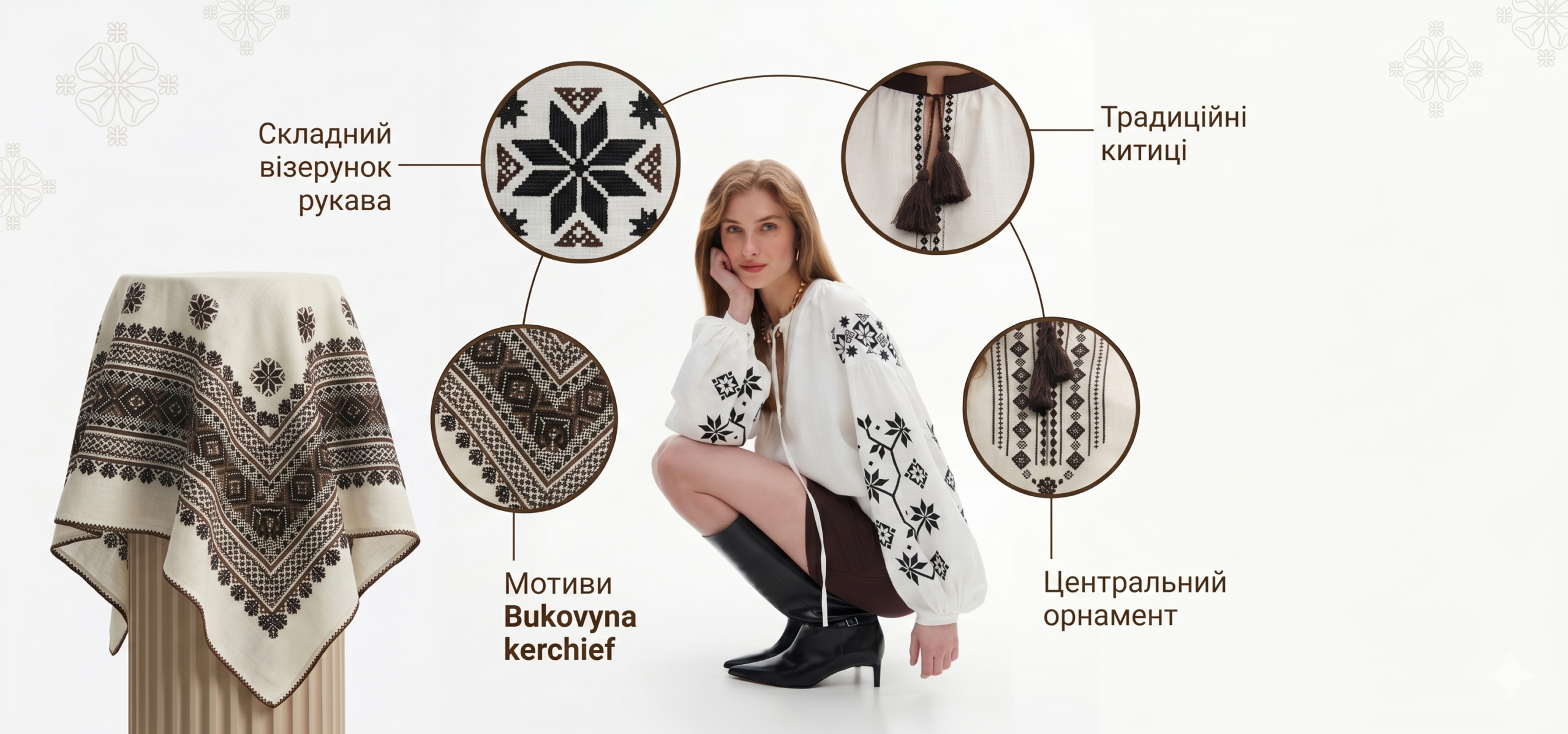 analysis
In Ukraine, the vyshyvanka has long since outgrown its status as purely festive attire that is taken out of the closet once a year. Today, it is a full-fledged element of the modern urban wardrobe. Personal and fashion stylist Renata Pavlik discussed how attitudes toward national clothing have changed, what trends are dominating in 2026, and how to find “your” shirt in an interview with "Komersant Ukrainian".
Timeless and trend-free: the new philosophy of the vyshyvanka
The vyshyvanka should no longer be viewed as a seasonal trend. It has officially moved into the category of timeless pieces—on par with a basic trench coat, a classic blazer, or a white shirt. However, fashion still dictates its own rules, transforming silhouettes, colors, and the overall presentation.
“People are buying fewer souvenir embroidered shirts and increasingly looking for ones that can actually be integrated into their everyday wardrobe. That is, not a shirt for a single day in May, but a piece that can be worn with jeans, dress pants, skirts, jackets, and even sneakers or trainers,” notes Renata Pavlik.
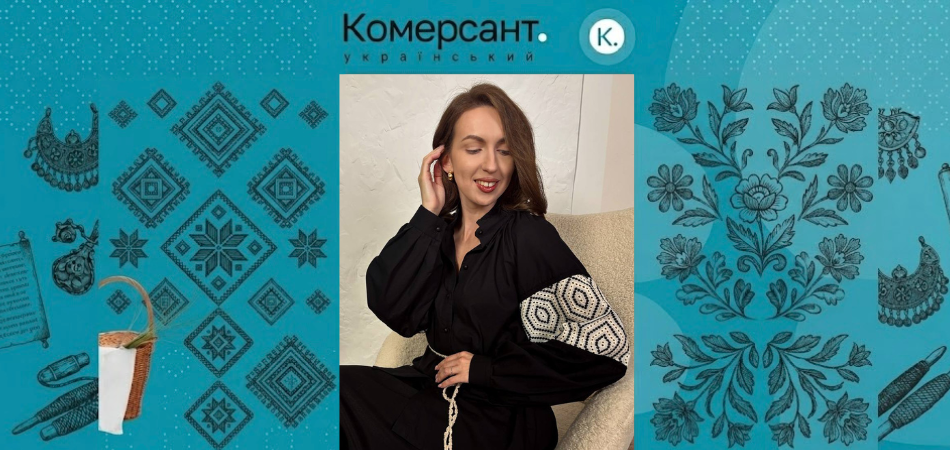
This shift signals an important evolutionary stage: Ukrainian style is no longer theatrical or reserved exclusively for special occasions—it is becoming an organic, living part of our daily lives.
Watch us on YouTube: important topics – without censorship
Top Trends of 2026
The modern market is adapting to the needs of city dwellers. Today, at the top of Ukrainians’ preferences are:
- Natural and textured fabrics: linen, cotton, and homespun textures.
- Complex, deep colors: a move away from flashy folklore toward a restrained, elegant palette.
- Minimalism and ethnic motifs: instead of the classic embroidered shirt, shoppers often choose modern, loose silhouettes or items with subtle ethnic accents (such as pants with ornamental trim or minimalist jewelry).
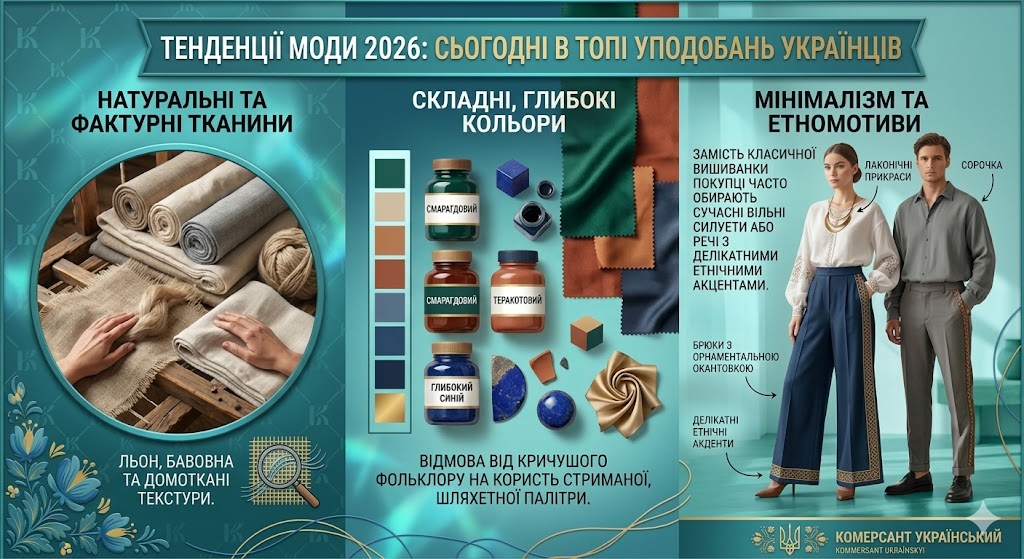
“They’re drawn to natural fabrics: linen, cotton, and handwoven textures are all options. Complex, deep colors instead of flashy folklore. I see more minimalist embroidery quite often, and I frequently encounter clients asking for loose, modern silhouettes and pieces simply featuring ethnic motifs—that is, not necessarily a classic embroidered shirt, but just items with ethnic motifs,” Renata Pavlik shares her observations.
And this, by the way, is a very good sign, the stylist notes. Because Ukrainian style is no longer just a “special occasion” outfit or something very festive; it’s becoming an organic part of our wardrobe.
How to choose a vyshyvanka: a checklist from a stylist
To ensure your purchase brings you joy for years to come and doesn’t gather dust on a hanger, Renata Pavlik advises following a few simple rules.
1. Let go of the “musts”
An embroidered shirt shouldn’t be an obligation or a tribute to artificial trends just for a pretty photo on social media. Obligation always feels like a forced narrative. An embroidered shirt should reflect you—your personality and your inner state.
2. The cut is everything
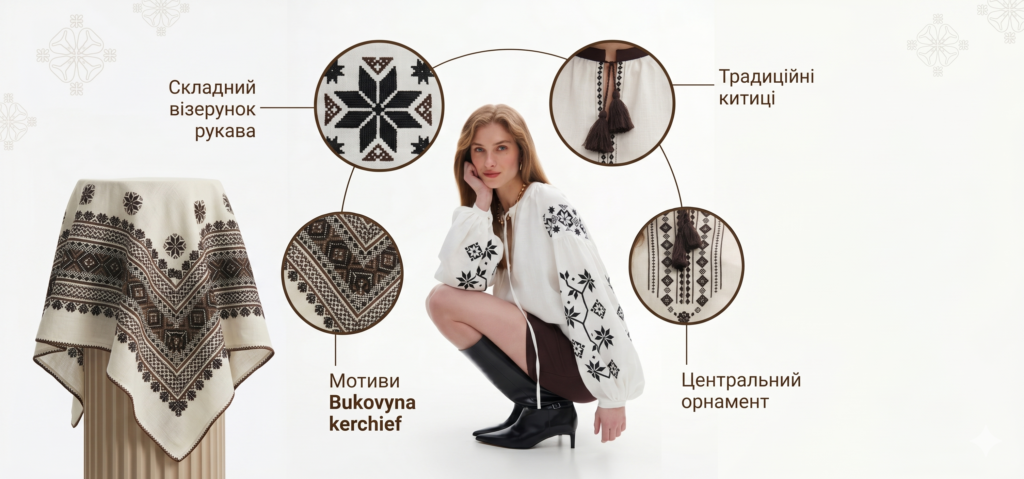
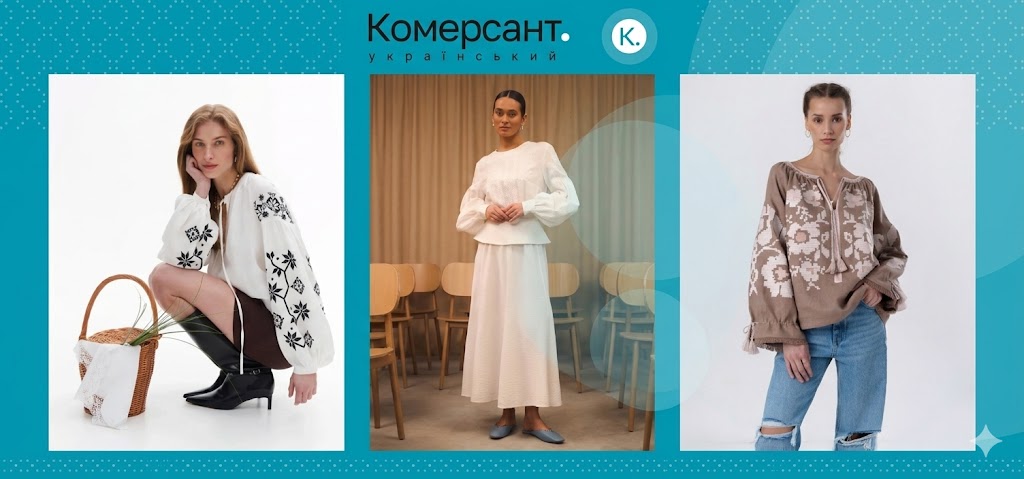
Pay attention not only to the pattern but also to the style. It is the silhouette that determines whether the garment will look modern. Moreover, even ultra-traditional embroidery in a contemporary, loose cut looks incredibly stylish today.
“Again, I advised looking not only at the pattern but also at the cut, because it’s the silhouette that determines whether the garment will look modern. Sometimes even very traditional embroidery looks incredibly relevant in modern Ukraine,” says Renata Pavlik.
3. Consider your own style
If you’re a die-hard minimalist, you shouldn’t buy a bright shirt with bold, multicolored ethnic patterns—you’ll feel awkward in it.
“You can simply choose a more understated embroidered shirt, perhaps with monochromatic embroidery, such as white-on-white. It’s very beautiful, looks festive, but has a more minimalist design. You can also just opt for ethnic accents, meaning choosing pieces with specific ethnic motifs,” says Renata Pavlik.
4. Look for your own meaning and history
Take an interest in the brand’s background: who created the piece, what motifs were used, and whether the designer works ethically with Ukrainian heritage.
“If you’re overwhelmed by the variety of options, the stylist offers a great guideline—choose embroidery that’s characteristic of the region where you were born,” says Pavlik
The art of styling: balance instead of an “ethnic look”
A modern approach to styling is all about playing with contrasts and maintaining balance.
“Right now, pairing a vyshyvanka with basic pieces looks much more on-trend than a full-on ‘ethno-look.’ Pair it with your favorite jeans and sneakers to tone down the pretentiousness,” advises the stylist.
The most significant shift in Ukrainians’ mindset is allowing the vyshyvanka to be part of ordinary, “imperfect” daily life: going to work, having coffee with friends, strolling through the city. Our tradition is no longer confined to museums—it’s coming to life. However, Renata Pavlik emphasizes the important distinction between replicas and authentic pieces.
“It’s important to understand: we wear new embroidered shirts that are created today based on what our ancestors made. We don’t wear museum exhibits. We must preserve, study, and pass on to future generations what we have inherited,” Pavlik concludes.
Thus, by 2026, the Ukrainian vyshyvanka had finally transformed from theatrical or purely festive attire into a vibrant, timeless staple of the urban wardrobe. The modern approach to national attire is based on minimalism, natural fabrics, deep colors, and loose cuts, making it easy to pair the shirt with jeans, jackets, or sneakers. The main rule for choosing today is to focus on your own style and personal preferences. While preserving authentic museum exhibits as historical heritage, Ukrainians are breathing new life into modern embroidered shirts, integrating them into daily life, walks, and business meetings.
Read us on Telegram: important topics – without censorship