Merz proposed granting Ukraine EU associate member status: what this entails
21 May 14:09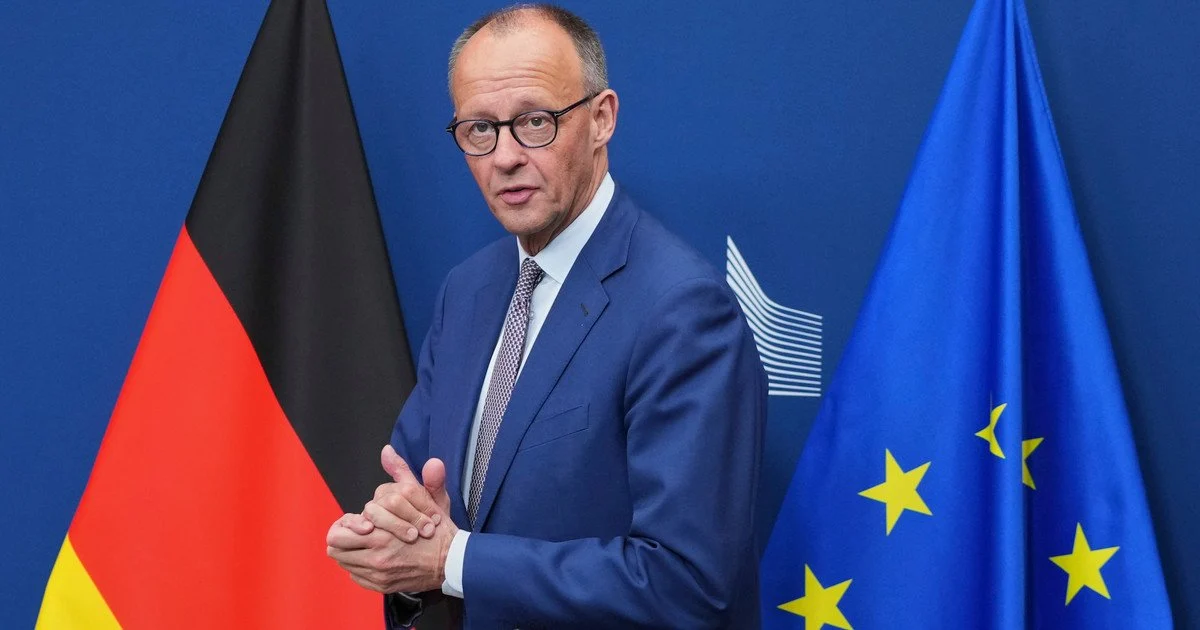
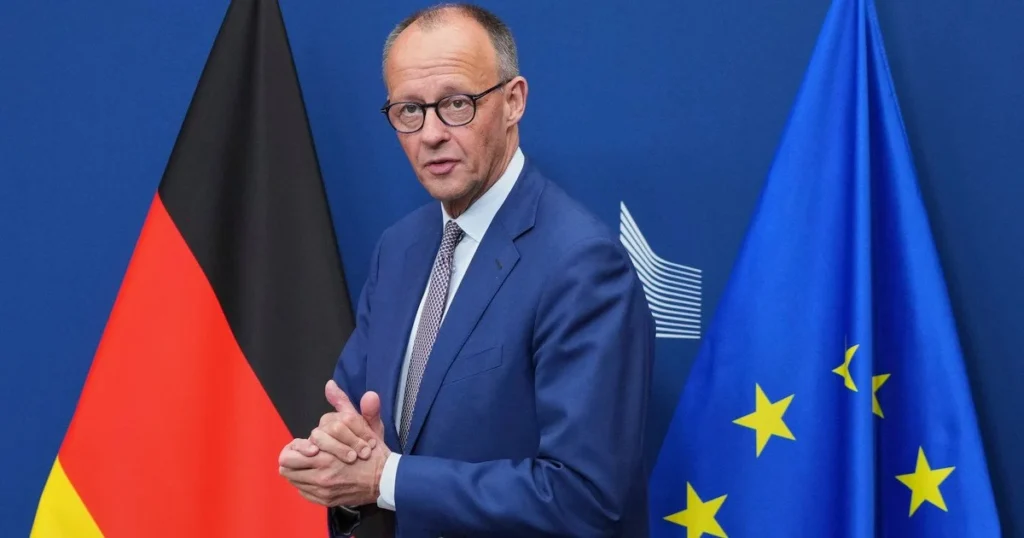
In response to Kyiv’s request to expedite Ukraine’s accession to the European Union,German Chancellor Friedrich Merz proposed granting Ukraine the special status of an “associate member” of the EU. In a letter to EU leaders, Merz proposed immediately integrating the war-torn country into EU institutions, reports "Komersant Ukrainian", citing DW.
Ukraine would not initially receive all the rights of an EU member, including voting rights, the media outlet explains. The German chancellor’s letter is addressed to EU Council President António Costa, European Commission President Ursula von der Leyen, and the president of the rotating EU Council presidency, Cyprus’s Nikos Christodoulides.
Watch us on YouTube: important topics – without censorship
Why not full membership
Friedrich Merz believes that Ukraine’s full accession to the European Union in the near future is unrealistic. According to him, it is impossible to complete the accession process in the short term due to “countless obstacles” and politically complex ratification procedures in a number of member states.
However, the chancellor proposes to begin negotiations on all key issues related to membership immediately and “without delay.” He emphasizes that the proposed status is “not a ‘light’ form of membership,” but a step that goes significantly beyond the current Association Agreement and will accelerate the negotiation process.
What the special status would entail
According to Merz’s proposal, Ukraine could participate in meetings of the European Council and the Council of the EU, but without the right to vote. In addition, the proposal includes the role of an associate member of the European Commission without a portfolio and without voting rights, associate members of the European Parliament without voting rights, as well as an associate judge at the European Court of Justice in the form of an “assistant rapporteur.”
To implement such a status, neither the ratification of a treaty for entry into force under Article 49 of the Treaty on European Union nor amendments to the treaties are required—a “firm political agreement” is sufficient. Friedrich Merz also emphasizes that this special status would send a “strong political signal that Ukraine and its citizens so urgently need in their struggle against Russian aggression.”
Ukraine will initially neither contribute to the EU budget nor receive funds directly from it—however, programs under direct management may gradually be opened with certain conditions. The adoption of EU legislation is also expected to be phased.
Security and Guarantees
Security plays a special role in the proposal. Merz proposes that Ukraine bring its foreign and defense policies into full alignment with those of the European Union. Member states must make a political commitment to apply the provisions on mutual assistance to Ukraine in accordance with Article 42, Paragraph 7 of the Treaty on the EU—to create a “substantial security guarantee” and simultaneously facilitate the peace negotiations initiated by U.S. President Donald Trump.
A safeguard mechanism or a clause regarding the loss of status is also provided for in the event that Ukraine violates the EU’s core values or suffers a serious setback in accession negotiations.
For other candidate countries—Albania, Montenegro, and Moldova—Merz proposes not identical status, but “innovative solutions” to accelerate their accession processes. These include privileged access to the single market, closer involvement in the day-to-day work of EU institutions, and observer status in relevant EU bodies. Merz expressed his willingness to discuss his ideas with heads of state and EU leadership and proposed creating a special working group to work out the details.
Read us on Telegram: important topics – without censorship