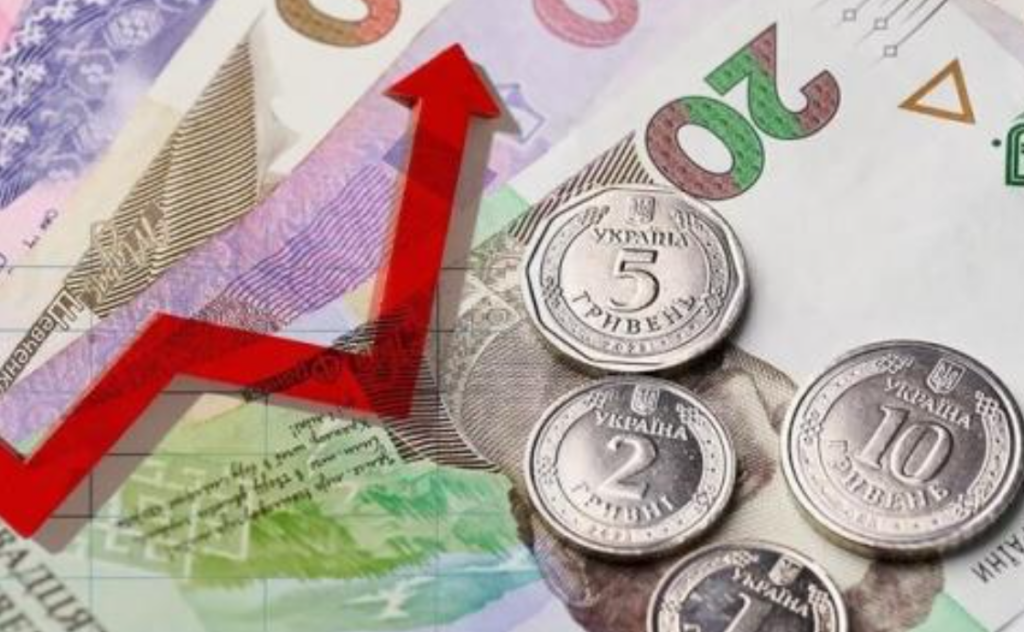
Gold Prices Are Rising Again: Analysts Have Issued a Record Forecast for 2026
28 April 08:54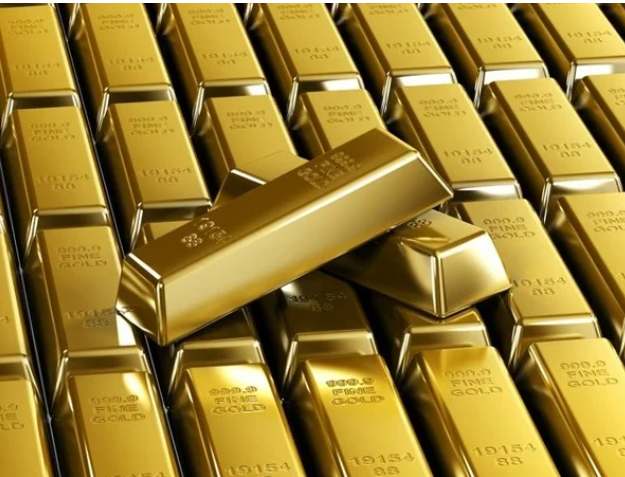
Analysts have raised their gold price forecast for 2026 to a record high. The average forecast stands at $4,916 per troy ounce—the highest level in the past 14 years. Reutersreported this based on the results of a survey of analysts, according to "Komersant Ukrainian"
Demand for the precious metal is being driven by central banks, geopolitical instability, currency risks, and concerns over rising U.S. government debt.
According to the agency, the average forecast for the price of gold in 2026 has risen to $4,916 per troy ounce. Previously, analysts had expected a lower level—$4,746.50—and last year the forecast was around $3,000.
Why is gold rising in price again?
Gold is traditionally considered a safe-haven asset during periods of geopolitical and economic instability. It is precisely these factors that are currently driving demand for the precious metal.
The market is influenced by the war in the Middle East, uncertainty surrounding U.S.-Iran negotiations, high oil prices, inflation risks, and expectations regarding decisions by major central banks.
As of April 28, spot gold was trading near $4,670.89 per ounce, while U.S. gold futures also edged lower amid investor caution ahead of central bank meetings.
Despite short-term fluctuations, most analysts surveyed expect the gold rally to resume.
Record-breaking Reuters forecast
The average forecast for the gold price in 2026 is:
- $4,916 per troy ounce
This is the highest annual forecast in Reuters surveys since 2012. Analysts attribute the upward revision to strong demand from central banks, economic uncertainty, and concerns about currency stability.
At the same time, experts expect that by the end of 2026, the price of gold could fall below $4,500 per ounce if geopolitical risks subside and investors partially return to riskier assets.
StoneX analyst Rona O’Connell noted that a peaceful end to the war could bring relief to the market. At the same time, she believes that fundamental factors will continue to support gold prices.
“If the war can be ended peacefully, a relief rally is likely, and underlying tailwinds may continue to support prices. But the $5,500 level was too high before and will likely be so again,” said Rona O’Connell.
What happened after the record in January
In early 2026, gold was already showing rapid growth. After a record rise to $5,595 per ounce in late January, prices fell by about 11%.
According to Reuters, this drop coincided with the period of U.S. and Israeli strikes on Iran. Some investors then began withdrawing funds from the gold market to increase liquidity.
However, analysts believe that the decline does not negate long-term demand for gold. On the contrary, if the situation stabilizes, investment demand may strengthen again.
Central banks are supporting demand for gold
One of the main factors supporting prices remains gold purchases by central banks. They are building up their gold reserves to reduce dependence on currency assets, particularly the U.S. dollar.
Analysts also point to concerns regarding the independence of the U.S. Federal Reserve, the growth of U.S. government debt, and the potential weakening of currencies.
Independent analyst Ross Norman believes that central banks’ motivation to buy gold is particularly strong right now.
“Central banks’ motivation to buy gold is probably stronger than ever, and events in the Middle East have only heightened the sense of vulnerability to dollar-denominated assets,” said Ross Norman.
In his view, gold looks positive, but its growth may be more moderate.
That is why gold retains its status as a “safe haven” for capital even when high interest rates make it less attractive compared to income-generating assets.
Watch us on YouTube: important topics – without censorship
Why high rates haven’t stopped gold
High interest rates usually put pressure on gold. The reason is simple: gold bars do not generate interest income, whereas bonds or deposits can yield returns.
However, this factor is currently being partially offset by other risks: the war in the Middle East, surging energy prices, inflation, concerns about government debt, and currency instability.
However, Julius Baer analyst Carsten Menke believes that the current pressure on gold is not long-term.
“This is not a long-term development and is in line with our expectations that the war is unlikely to have a significant and lasting impact on global growth,” noted Carsten Menke.
According to him, once expectations of further Fed policy easing return, investment demand for gold could rise again.
That is why gold remains attractive to investors seeking protection against uncertainty.
What will happen to silver
Reuters also surveyed analysts on silver. The average price forecast for silver in 2026 is $78 per ounce. This is slightly below the forecast from three months ago—$79.50.
Silver depends not only on investment demand but also on industrial use. In 2025, the metal rose by a record 147%, and on January 29, 2026, it reached an all-time high of $121.64. After that, silver fell sharply and is trading around $75.
Analysts believe that another attempt to rise to $100 is possible if the war ends. But such a rise is likely to be short-lived.
What will happen to the price of gold next
Analysts expect that in the coming months, the price of gold will remain sensitive to three main factors:
- Geopolitics. News regarding the U.S., Iran, and the Middle East can sharply shift investor sentiment.
- Central bank policy. If the Fed and other regulators begin to ease policy, this could support gold.
- Central bank demand. Further gold purchases by government regulators could keep prices high.
Read us on Telegram: important topics – without censorship