Fire Point unveiled the FP-7.x missiles for the Freya air defense system
13 July 19:17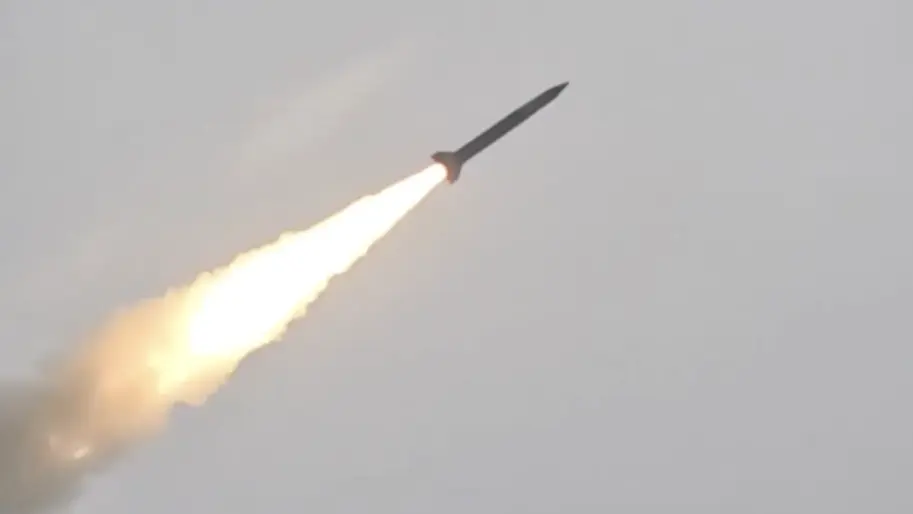
The Ukrainian defense company Fire Point has unveiled the FP-7.x anti-ballistic missiles, which are being developed for the Freya air defense system. The company’s technical director, Iryna Terekh, announced this on her Instagram, according to "Komersant Ukrainian".
During the presentation, the company also unveiled the concept behind the Freya system itself—it is positioned as a pan-European anti-ballistic shield to be jointly owned by partner countries.
Watch us on YouTube: important topics – without censorship
The Freya system and FP-7.X missiles: what is known
In April, President Volodymyr Zelenskyy stated that Ukraine is considering the possibility of creating a ballistic missile defense system in cooperation with European countries over the next year.
On May 14, Fire Point co-owner and chief designer Denis Shtilerman announced that the company was joining the anti-ballistic coalition, and published a presentation on the pan-European Freyja project—a unified, secure air and missile defense system focused on intercepting ballistic missiles. The system is expected to integrate with other air defense elements via the NATO Link-16 standard.
On May 25, Stielermann stated that, if development is successful, it will be possible to intercept enemy ballistic missiles by the end of the year using a Ukrainian, less expensive alternative to the Patriot air defense system.
On June 10, Stielermann told the Financial Times in an interview that recent tests of the FP-7.X missile had been “quite successful,” and that under optimal conditions, mass production could begin as early as August 2026.
According to him, the FP-7.X missile is capable of reaching an altitude of 25 km and, like the Patriot missile defense system’s interceptors, is designed to reach sufficient speed to intercept ballistic missiles.
Unlike the Patriot, whose missiles are guided by high-tech ground-based radar, the FP-7.X missiles are also guided by radar but use a thermal homing seeker during the final phase of flight, Stilerman explained. However, as the FT adds, thermal homing is generally considered less effective than radar guidance—in particular due to the risk of the missile being deceived by spoofing and other countermeasures.
Read us on Telegram: important topics – without censorship