Who Ukraine wants to bring back first: details of the “List of 1,000” for the prisoner exchange
11 May 08:42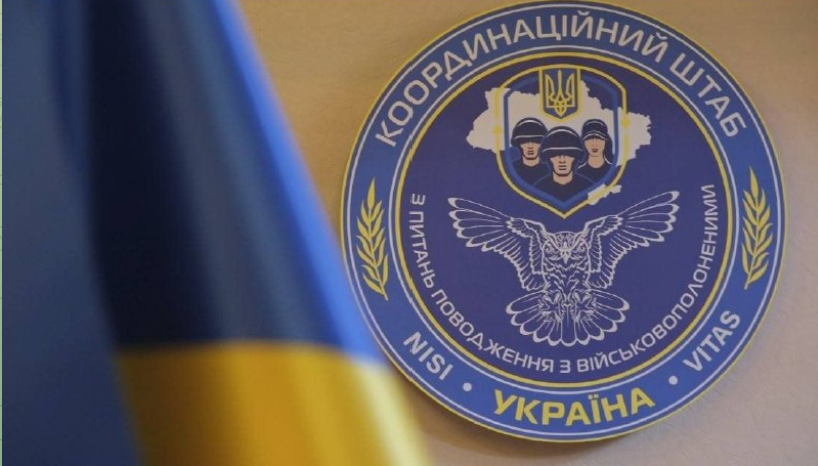
Ukraine has provided the Russian side with a list of 1,000 individuals for a future prisoner-of-war exchange. The list was compiled based on the length of time spent in captivity. This was reported by the Coordination Headquarters for the Treatment of Prisoners of War, according to "Komersant Ukrainian"
According to the headquarters, the list was handed over following recent negotiations mediated by the United States of America.
What is known about the “list of 1,000”
The Coordination Headquarters stated that Ukraine provided Russia with the “list of 1,000” for a future prisoner exchange.
The list was not compiled randomly but according to a humanitarian principle—based on the length of time Ukrainian servicemen have been held in Russian captivity. This means that priority on the list is given to those defenders who have been in captivity the longest—since the start of the full-scale war.
The headquarters noted that this principle for compiling the lists had been repeatedly agreed upon by the authorized negotiators of Ukraine and Russia.
Why was this principle chosen?
The Coordination Headquarters described the creation of the list based on the duration of captivity as a fair humanitarian approach.
“This is a fair humanitarian approach, carried out with the participation and support of the United States of America, which demonstrates to the whole world the Ukrainian state’s concern for its defenders and is one of the steps toward a just peace,” the headquarters stated.
This approach is intended to demonstrate that Ukraine is prioritizing the return of those who have been held in Russian captivity the longest and are in the greatest need of release.
Negotiations on the exchange are ongoing
The Coordination Headquarters emphasized that the negotiation process regarding the upcoming exchange is ongoing. That is why citizens and the media were urged to refrain from spreading unverified information, especially that which does not come from official sources.
This is important because the publication of sensitive details, lists, names, or unofficial reports could harm the exchange process and create additional risks for prisoners of war and their families.
Watch us on YouTube: important topics – without censorship
How this relates to the May 9–11 ceasefire
On May 8, U.S. President Donald Trump announced an agreement on a three-day ceasefire between Ukraine and Russia. According to him, the ceasefire was to be in effect on May 9, 10, and 11 and involve a prisoner exchange of 1,000 for 1,000.
Ukrainian President Volodymyr Zelenskyy confirmed that, as part of the negotiation process mediated by the U.S., Ukraine had secured Russia’s agreement to a prisoner exchange on a 1,000-for-1,000 basis.
Zelenskyy: 1,000-for-1,000 exchange is being prepared
President Volodymyr Zelenskyy stated that a 1,000-for-1,000 prisoner of war exchange is being prepared and is set to take place.
According to the head of state, the Ukrainian Coordination Headquarters has already provided the Russian side with lists of 1,000 people. Zelenskyy also noted that Ukraine is in contact with the U.S. side regarding guarantees for the implementation of the agreements.
What Russia said
Following statements about preparations for the exchange, Russian leader Vladimir Putin claimed that Moscow had allegedly not received any proposals from Kyiv regarding a 1,000-for-1,000 exchange. Ukraine refuted this, stating that the list had been handed over to the Russian side.
It was after this that the Coordination Headquarters clarified the situation and emphasized that negotiations are ongoing and that the list was compiled according to an agreed-upon humanitarian principle.
Read us on Telegram: important topics – without censorship