The 21st blackout occurred at the occupied Zaporizhzhia Nuclear Power Plant: “Energoatom” warned of the threat
3 July 23:00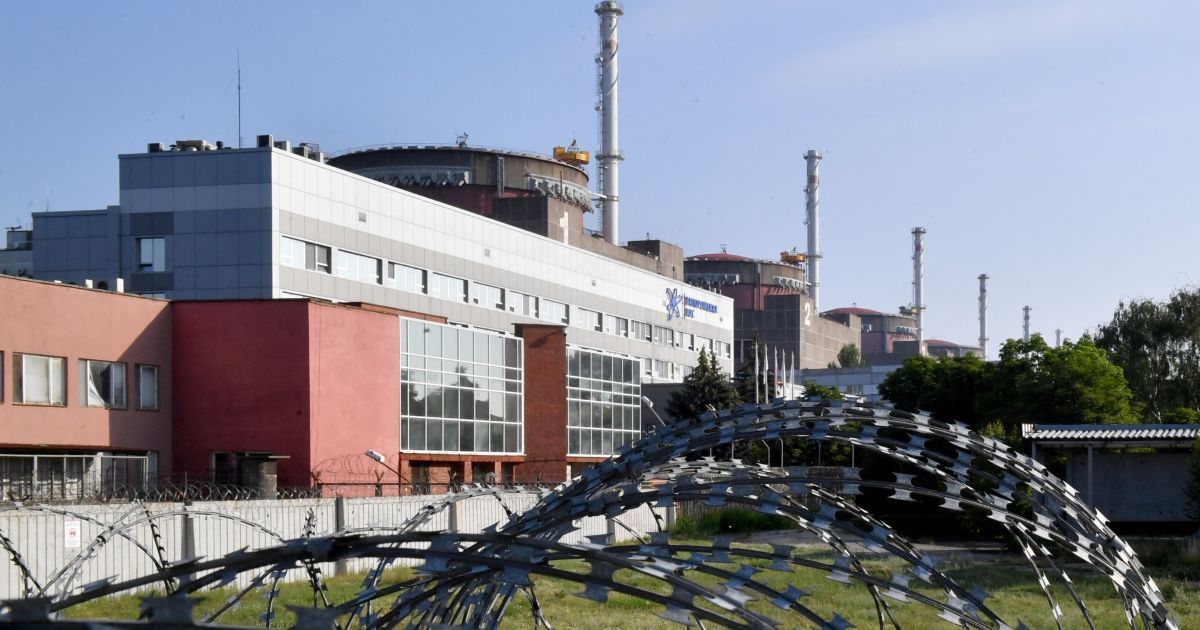
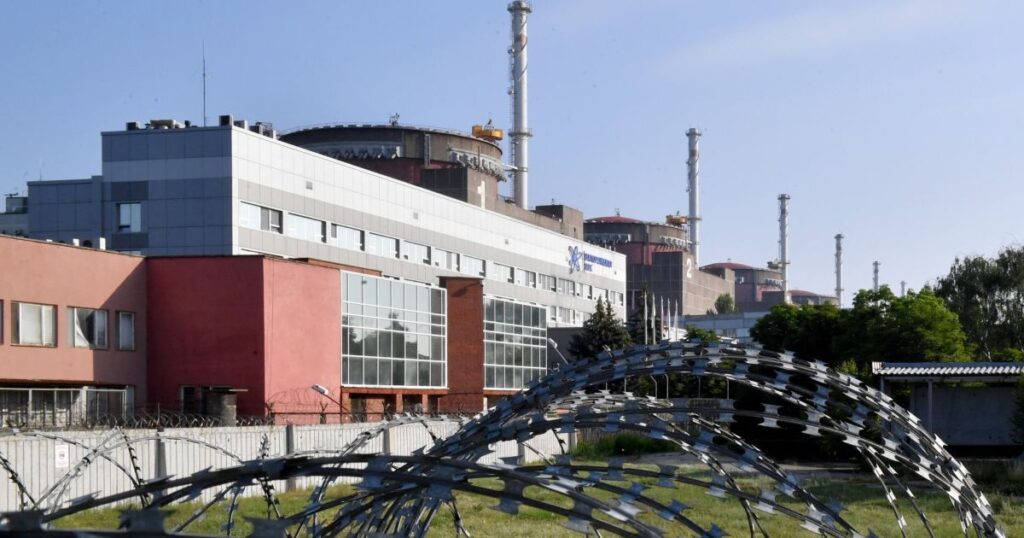
On July 3, 2026, the Zaporizhzhia Nuclear Power Plant completely lost its external power supply. After the “Ferosplavna” power line—which connected the temporarily occupied plant to Ukraine’s Unified Power System—was cut off, the ZNPP switched to emergency power supplied by diesel generators. Energoatom warned that every loss of external power poses a threat to nuclear and radiation safety, according to "Komersant Ukrainian".
According to the IAEA, this is the 21st complete blackout at the Zaporizhzhia NPP since the start of the full-scale Russian invasion.
According to Energoatom, the “Ferosplavna” overhead power line went offline. It connected the occupied Zaporizhzhia NPP to the Ukrainian power grid and supplied the plant with external electricity.
Following the line’s disconnection:
- the ZNPP lost its external power supply;
- it automatically switched to backup power;
- the plant’s own needs began to be met by diesel generators;
- the safety and cooling systems continued to operate thanks to emergency equipment.
The company did not specify the reason for the power line outage in its initial statement.
Why does the Zaporizhzhia NPP need external power?
All six power units at the Zaporizhzhia NPP are not generating electricity, but the plant continues to consume power.
Power is required to operate:
- reactor cooling systems;
- pumps;
- temperature control systems;
- spent nuclear fuel cooling equipment;
- ventilation;
- communication and control systems;
- lighting;
- radiation monitoring equipment.
Even after the reactor is shut down, the nuclear fuel continues to emit residual heat. This heat must be continuously removed.
If the plant is without external power or operational generators for an extended period, this could disrupt the operation of the cooling systems.
How Dangerous Are Diesel Generators?
Emergency diesel generators are designed specifically for such situations and are capable of temporarily powering critical equipment.
However, they have a number of limitations:
- they depend on diesel fuel reserves;
- they require regular maintenance;
- they can break down;
- are not designed to provide continuous power to a nuclear power plant;
- they depend on the ability to deliver fuel and spare parts to the occupied territory.
That is why the IAEA refers to diesel generators as a last line of defense, rather than a full-fledged replacement for a stable external power supply.
Is There a Risk of a Radiation Release?
As of July 3, Energoatom had not reported any violations of safe operating limits or any radiation release.
According to the company, from June 29 to July 3, the gamma radiation dose rate in the area of the Zaporizhzhia NPP ranged from 0.1 to 0.3 μSv/h.
These levels correspond to natural background radiation and do not indicate a radiation hazard to the public.
Statement from “Energoatom”
Energoatom emphasized that a stable power supply is critically important for the safe operation of a nuclear power plant.
“Any loss of external power poses a threat to nuclear and radiation safety.”
The company explained that electricity is needed first and foremost to operate the systems that cool the nuclear fuel.
“Energoatom” also stated that the situation at the plant will remain dangerous as long as the Zaporizhzhia NPP remains under Russian occupation.
When Russia seized the Zaporizhzhia Nuclear Power Plant
Russian troops occupied the Zaporizhzhia Nuclear Power Plant in March 2022.
Since then, the plant:
- repeatedly lost its external power supply;
- has been subjected to shelling near the industrial site;
- operated with a limited number of power lines;
- has relied on emergency diesel generators;
- faced problems with access to water following the destruction of the Kakhovka Hydroelectric Power Plant;
- was under the control of Russian military personnel and representatives of “Rosatom.”
Ukraine and the international community do not recognize Russian control over the plant.
The Ukrainian company “Energoatom” remains the sole legitimate operator of the Zaporizhzhia Nuclear Power Plant.
Why the situation worsened after the destruction of the Kakhovka Hydroelectric Power Plant
Before the full-scale war, the Zaporizhzhia Nuclear Power Plant used water from the Kakhovka Reservoir to supply its cooling systems.
After the destruction of the Kakhovka Hydroelectric Power Plant dam in June 2023, the water level in the reservoir dropped sharply.
The plant was forced to use alternative sources:
- cooling ponds;
- groundwater wells;
- spray pools;
- the canals of the Zaporizhzhia Thermal Power Plant.
The IAEA regularly checks water availability, as it, along with a stable power supply, is one of the key factors in nuclear safety.
Read us on Telegram: important topics – without censorship