Orbán is accused of ordering the kidnapping of Oschadbank cash transporters: what journalists have uncovered
3 June 19:38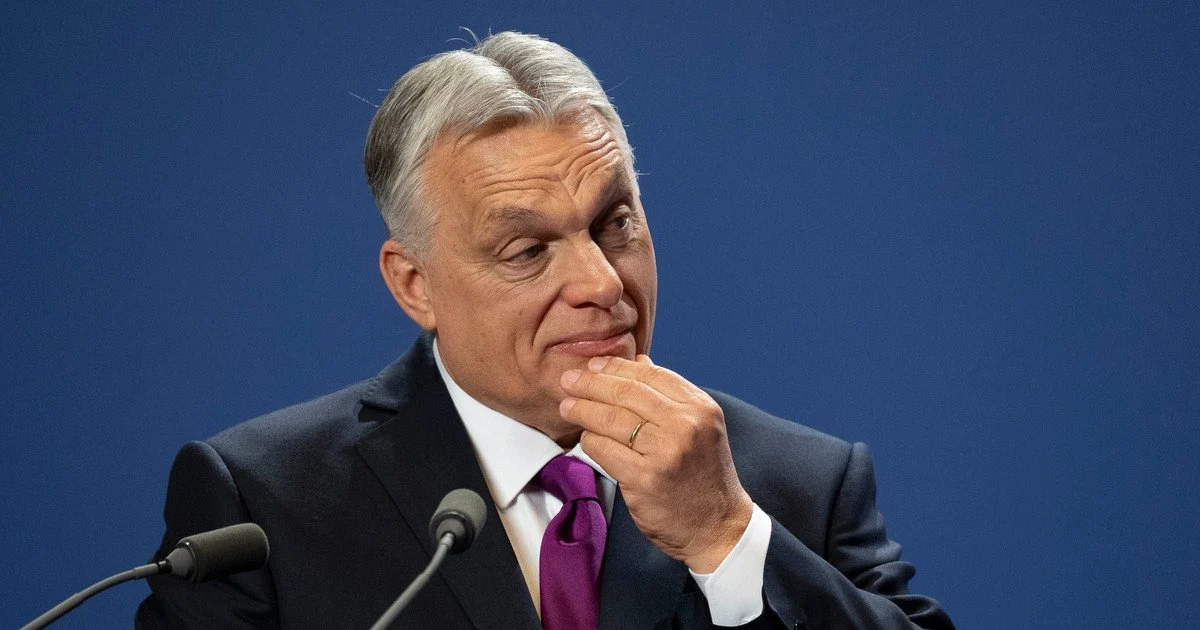
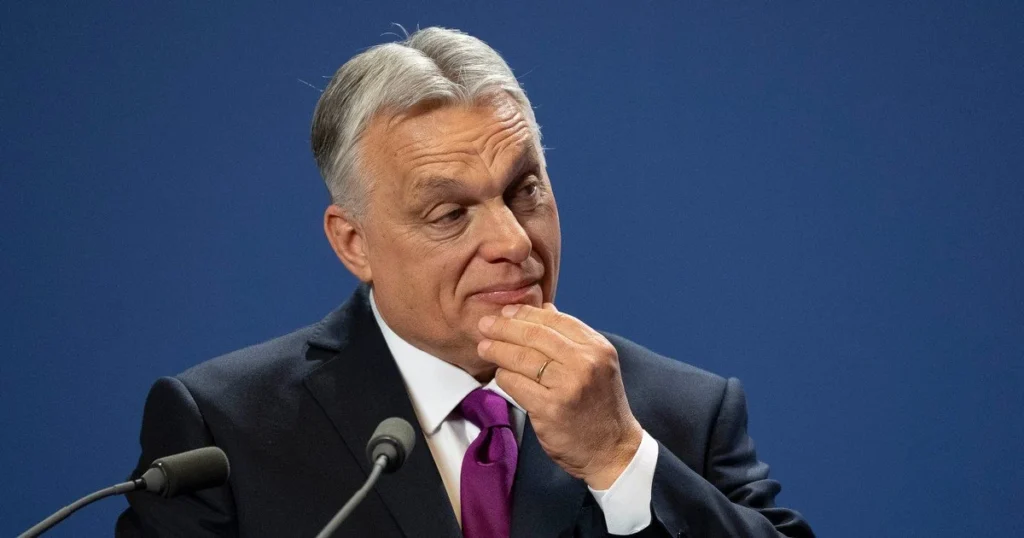
Former Hungarian Prime Minister Viktor Orbán ordered the kidnapping of Ukrainian cash transporters from Oschadbank, which took place on March 5.
This is according to an investigation by the Hungarian publication Telex, reports
Telex investigation
The Hungarian publication Telex conducted an investigation that revealed that former Hungarian Prime Minister Viktor Orbán directly ordered this operation.
The Hungarian Constitution Protection Office confirmed that the order to attack came from the Prime Minister’s Office. Orbán was informed about the operation on the day it took place.
According to sources, Orbán decided to carry out this action in response to Ukraine’s actions. The reason was the halt in oil transit through the Druzhba pipeline, which occurred due to a Russian strike. Orbán believed that Kyiv had stopped the transit for political reasons.
The government hinted that the money being transported by Ukrainian cash collectors was of dubious origin. This served as another justification for the attack.
Reaction to the Investigation
Hungarian Prime Minister Péter Magyar was outraged by the results of the investigation. He stated that Orbán had micromanaged the work of law enforcement agencies and intelligence services.
Mátyás noted:
“Viktor Orbán personally directed the work of law enforcement agencies and intelligence services. He alone could decide whether to conduct raids or to drag out investigations. He must take responsibility.”
What is known about the “Hungarian case”
The “Hungarian case” refers to the incident involving the detention in Hungary of Oschadbank’s armored vehicles, employees, cash, and valuables.
As a reminder, on March 6, 2026, two Oschadbank cash-in-transit vehicleswere illegally detained in Hungary while transporting currency and 9 kg of gold. The bank reported that the cargo was valued at $40 million and €35 million.
The government of Hungarian Prime Minister Viktor Orbán initiated an investigation on suspicion of money laundering, and the country’s parliament passed a law to seize these assets until the investigation is complete. Kyiv called Budapest’s actions “theft” and threatened to hold those responsible accountable.
Ukrainian Foreign Minister Andriy Sibiga emphasized that all those involved in the crime would be held accountable. Oschadbank published a demand to return the illegally seized vehicles and funds, and emphasized that the transport was carried out under an international agreement with Austria’s Raiffeisen Bank.
As previously reported
Earlier, a few days after the vehicles carrying Oschadbank funds were detained, the Hungarian government stated thatOschadbank’s fundswould be returned once the Druzhba oil pipeline became operational.
On March 6 , Ukraine secured the release of seven citizens who had been detained in Hungary along with the armored vehicles while transporting large sums of cash. They returned to Ukrainian territory and crossed the state border.
What facts does Oschadbank cite?
Oschadbank states that:
- the transportation of funds and valuables was carried out within the framework of an international agreement with Raiffeisen Bank International AG;
- the cargo was processed in accordance with international transport regulations and EU customs procedures;
- the packaging of the money and gold complied with regulatory and transport requirements;
- the bank holds a valid license for international transportation issued by the State Service of Ukraine for Transport Safety;
- during a full-scale war, banks transport valuables by land;
- the funds transported from Vienna to Ukraine via Hungary belong to Oschadbank;
- these funds were headed to Ukraine for use in circulation and to replenish the cash market;
- the legality of the procedures, according to the bank, is confirmed by Hungary’s return of the employees, cash-in-transit vehicles, money, and valuables without pressing charges.
On May 18, it became known that Hungary had lifted all restrictions imposed in this case, including the deportation order and the three-year ban on entry into the Schengen Area for the cash transporters.