Food Prices in August: Which Items Will See the Biggest Price Drops
1 August 20:11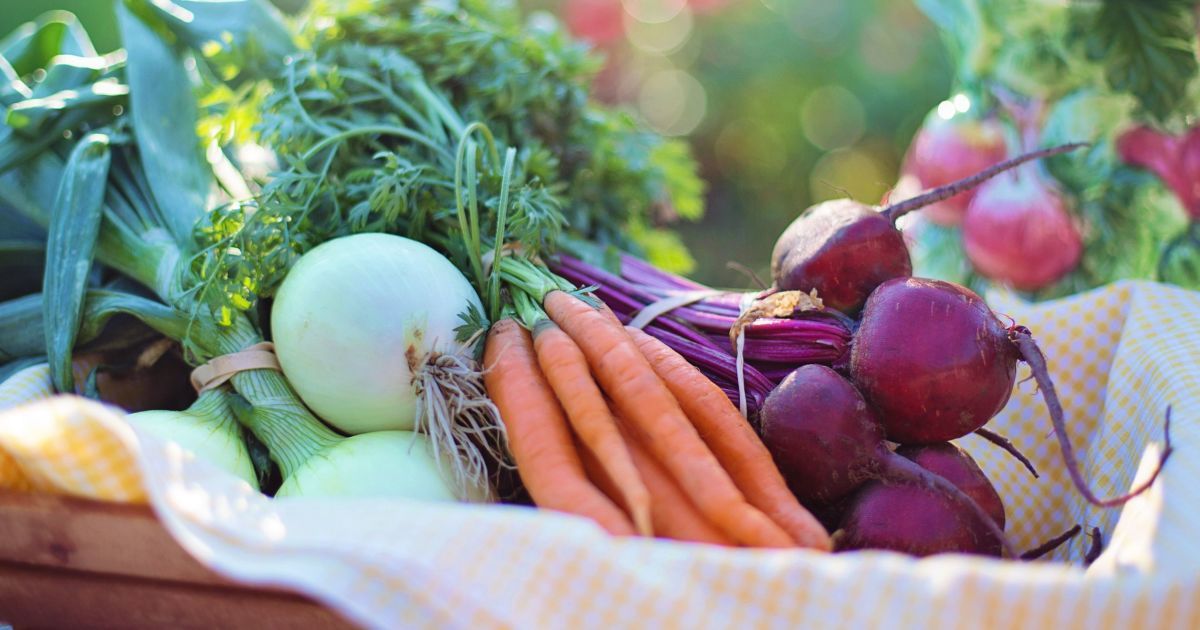
In August, Ukrainians will still be able to buy seasonal fruits and vegetables at relatively low prices. However, factors are already emerging in the market that could reverse this trend in the fall. What to expect from prices for vegetables, meat, and eggs, and which factors will have the greatest impact on Ukrainians’ grocery basket—as reported by "Komersant Ukrainian" with reference to RBC-Ukraine.
August will still bring cheaper vegetables, but some items are already getting more expensive
Despite occasional price spikes, August remains the month when the supply of seasonal produce is at its peak. That is why experts do not yet expect the summer drop in vegetable prices to end.
Denis Marchuk, deputy chairman of the All-Ukrainian Agrarian Council, predicts that there will be sufficient new-crop produce on the market in the coming weeks.
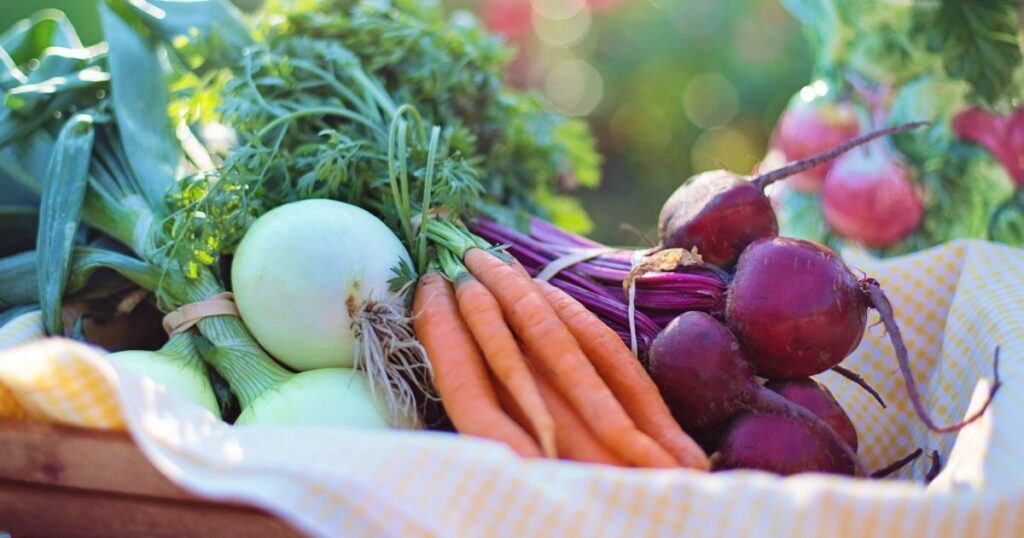
“As of today, a significant amount of produce is now coming into season. The prices of vegetables used in borscht are indeed continuing to fall. The peak of the price drop is still ahead of us in August, when supply will be even greater,” he said in a comment to RBC-Ukraine.
At the same time, some seasonal crops are already beginning to move past their peak harvest.
“The season is winding down, for example, for strawberries. Cherries are already starting to get more expensive because supply is decreasing,” Marchuk noted.
However, the latest market data show that the situation is mixed. According to EastFruit, just last week, prices for onions, potatoes, carrots, tomatoes, and cucumbers rose significantly. In contrast, prices for watermelons and cantaloupes have nearly halved, while eggplants, bell peppers, plums, apricots, blueberries, and blackberries have become cheaper.
Watch us on YouTube: important topics – without censorship
In other words, August will most likely follow the general trend of seasonal price declines, but prices for certain items may already be rising due to fluctuations in supply.
Will Higher Fuel Prices “Eat Into” the Summer Price Drop?
Fuel remains one of the main sources of uncertainty for the food market. However, experts differ in their assessments of how quickly rising fuel prices will be reflected on store price tags.
According to Denys Marchuk, producers are currently using fuel purchased earlier, so consumers have not yet felt a sharp impact.
“Once fuel purchases at the new prices begin, it’s possible that in two or three weeks we could see a 5% increase across various product categories,” he noted.
According to the expert, this could primarily affect products with high logistics and processing costs.
“Fuel prices have the greatest impact on bread, dairy products, and meat products—that is, items that are produced, transported, and involve high production costs,” Marchuk explained.
Maksym Hopka, an analyst at the Ukrainian Agribusiness Club, also cites logistics as one of the key factors in price formation, but points out that it works in tandem with other production costs.
“Although feed prices may decline in the near future and help lower the cost of meat production, logistics costs—due to rising fuel prices and the uncertainty surrounding the use of generator capacity during the fall and winter—could drive prices up,” he said.
At the same time, Oleg Pendzin , executive director of the “Economic Discussion Club,” urges people not to overstate the role of diesel fuel, particularly for seasonal vegetables.
“Eighty percent of potatoes—if we’re talking about the vegetables used in borscht—are grown on private farms. No one there actually calculates production costs. The higher the level of production in private households, the weaker the direct link to rising diesel prices,” he explained.
According to the expert, it is precisely the large share of produce from private households that helps keep prices in check even during periods of rising fuel costs.
“The only thing saving Ukraine is that a huge number of people are growing vegetables in their backyard gardens. This segment is effectively covered by household production,” Pendzin noted.
At the same time, the situation is different for commercial agricultural production. Here, the expert emphasizes, fuel is not the only factor at play.
“When we talk about fieldwork, the price of oil affects not only the cost of fuel but also that of agricultural chemicals. Together, fuel, lubricants, and agricultural chemicals can account for up to 35–40% of production costs. If their prices rise by 10–15%, this will undoubtedly lead to an increase in final prices,” said Pendzin.
At the same time, the ultimate impact of these factors, he said, will depend on the harvest.
“No one knows how much we’ll harvest this year. It will be possible to make a rough estimate of the actual cost of products closer to the end of September,” the expert concluded.
Pork may see the sharpest price increase
Unlike the vegetable market, where seasonality is currently working in favor of buyers, the meat segment is likely to see a moderate price increase in August. However, experts do not foresee a sharp spike in prices across all types of meat at once.
According to Maksym Hopka’s assessment, chicken will remain the most stable. It has a shorter production cycle and a more predictable industrial supply, so producers can react more quickly to changes in demand and costs.
“A simultaneous sharp price increase across all types of meat is not expected in August. Chicken will likely remain the most stable. Under the baseline scenario, its average retail price may rise by about 5%, primarily due to electricity and logistics costs, ” the expert noted in a comment to RBC-Ukraine.
Pork has greater potential for price increases—approximately up to 8%. According to Gopka, its price will be supported by seasonal demand and limited supply of live hogs on the market.
At the same time, beef is unlikely to see a significant price increase in the near future. Although the cattle herd remains limited, weaker consumer purchasing power is holding back more substantial price increases.
The expert also notes that pork and eggs will remain the most vulnerable to price fluctuations until early fall. Chicken, barring any force majeure events, will become more expensive more gradually, while beef continues to face sustained upward price pressure due to a shortage of raw materials.
Egg prices will hold steady for now, but the trend will change in the fall
After several months of seasonal price declines, the egg market is gradually approaching its traditional fall turnaround.
According to Maxim Gopka, prices will remain relatively stable in the first half of August. However, the situation will begin to change as September approaches.
“In the first half of August, prices may still remain relatively stable. However, closer to September, prices will begin to rise. This is due to a gradual reduction in seasonal supply from households and an increase in fuel costs,” he explained.
The expert notes that eggs react most quickly to seasonal changes, weather conditions, and production risks, so the likelihood of price fluctuations in this segment remains the highest.
What Will Determine Prices This Fall
Despite the seasonal decline in prices for some products, producers are already operating amid rising costs, which may manifest in the consumer market this fall.
According to Maksym Hopka, feed remains the main cost item in poultry and swine farming. At the same time, the current situation on the grain market does not create the conditions for a sharp rise in feed costs.
However, production costs depend on more than just grain. Prices for protein components, premixes, amino acids, and veterinary drugs, as well as expenses for electricity, backup power generation, logistics, and product storage, have a significant impact.
As the expert notes, a potential decrease in feed prices could partially offset producers’ costs. However, this effect could be offset by higher fuel prices and uncertainty regarding the fall and winter periods.
“The main risks for the market remain prolonged power outages during the fall and winter,” Gopka emphasized.
According to experts, it is the energy factor—along with logistics costs and final harvest figures—that will determine how quickly food prices will begin to rise after the end of the summer season.
What Ukrainians Can Expect in August
For now, the baseline scenario for the food market remains relatively favorable for consumers. August will still allow shoppers to buy most seasonal fruits and vegetables at lower prices, although some items are already showing an upward trend due to reduced supply.
Moderate price increases are expected in the meat market, primarily for pork and chicken, while beef prices are likely to remain relatively stable. Egg prices will hold steady for now but may begin to rise as fall approaches.
If the trend toward rising fuel prices continues in the fall and the energy system faces new challenges, these factors could accelerate the rise in food prices as early as September.
Read us on Telegram: important topics – without censorship