Ukrainian drones attacked an oil refinery in Ufa: what are the consequences?
1 August 14:09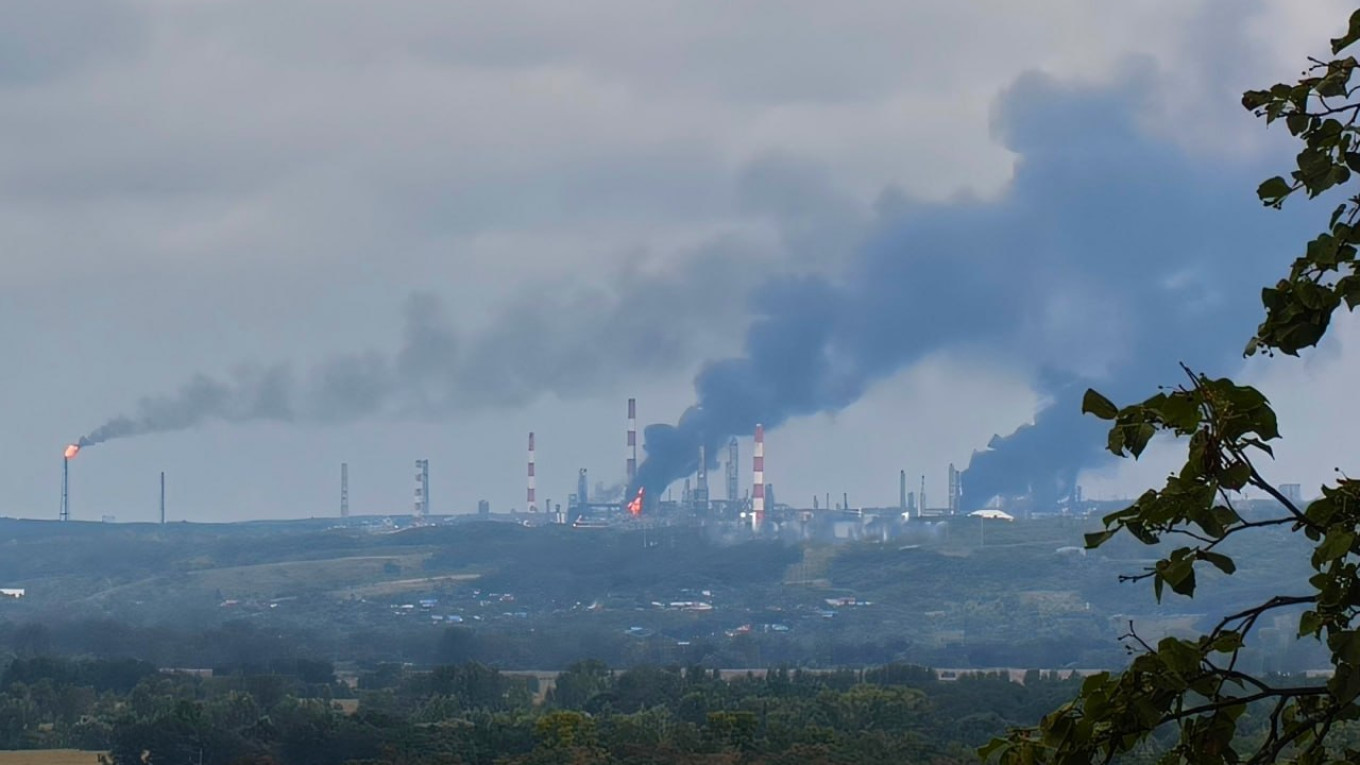
On the morning of August 1, the Ukrainian Armed Forces launched drones toward Ufa, according to Radiy Khabirov, the head of Bashkortostan. He stated that air defense forces “repelled” the attack, but “smoke appeared in the industrial zone due to debris from the downed drone.” According to Khabirov, no one was injured, and emergency services are dealing with the aftermath. This was reported by "Komersant Ukrainian", citing Russian propaganda media.
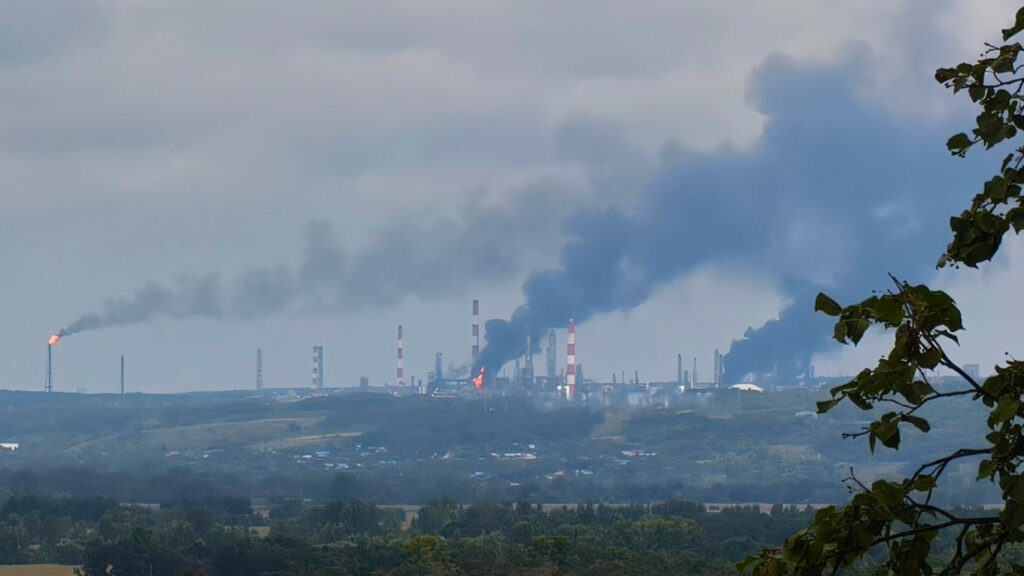
As a result of the drone strike in northern Ufa, the “Bashneft-Ufaneftekhim” oil refinery caught fire, as media outlets determined based on eyewitness footage. Two plumes of black smoke are rising above the facility. The Ukrainian monitoring channel Supernova reports at least three separate fires.
Watch us on YouTube: important topics – without censorship
“Bashneft-Ufaneftekhim,” with an annual capacity of 8.2 million metric tons, produces motor fuel, petroleum coke, liquefied gases, sulfur, and aromatic hydrocarbons. Together with the “Bashneft-Novoyl” and “Bashneft-UNPZ” plants, the facility forms Rosneft’s Ufa Oil Refining Complex, with a total capacity of 23.5 million metric tons — one of Russia’s largest clusters for the production of petroleum products. Prior to this, drones struck the Ufa refineries on July 8 and June 25. The industrial zone housing these facilities is located 1,500 km from the border with Ukraine.
A no-fly zone was declared in Bashkortostan on Saturday at 9:35 a.m. local time. At the same time, Rosaviatsiya announced the closure of Ufa Airport. The restrictions were lifted three hours later.
On June 16, Khabirov stated that the republic’s authorities are working to create up to a hundred “maneuverable fire groups” to combat UAVs.
“We’ve already, let’s say, braced ourselves quite seriously… Our republic is, without a doubt, an obvious target. We are preparing to defend ourselves,” he said.
After that, Bashkortostan attacked the drones at least four times. As a result, among other things, line production and dispatch stations (LPDS) belonging to Transneft, “Subhankulovo” and “Cherkasy,” as well as one of Russia’s largest petrochemical complexes, “Gazpromneftekhim Salavat.”
Read us on Telegram: important topics – without censorship