A 756-meter asteroid is heading toward Earth: NASA explains whether it poses a threat
1 August 06:11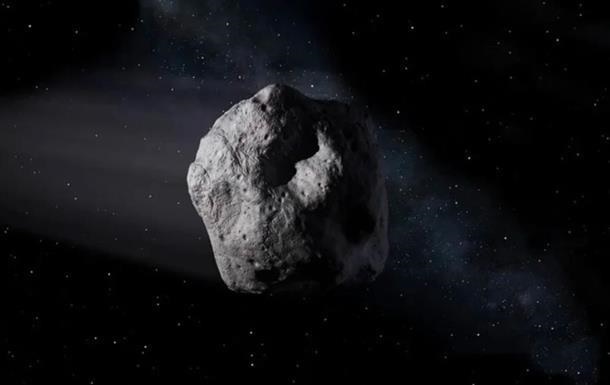
A potentially hazardous asteroid will fly past Earth in the coming days, but NASA emphasizes that there is no cause for panic. This was reported by "Komersant Ukrainian", citing NASA.
When the asteroid will come closest to Earth
According to NASA, on August 9, asteroid 173561 (2000 YV137) will pass close to Earth.
Its size is impressive— about 756 meters in diameter, making it one of the largest celestial bodies to pass near our planet in the near future.
Despite this, the minimum distance between the asteroid and Earth will exceed 5 million kilometers, so there is currently no risk of collision.
Why NASA Considers the Asteroid Potentially Hazardous
NASA experts explain that the designation “potentially hazardous asteroid” does not imply an inevitable catastrophe.
Objects are automatically classified in this category if they:
- have a diameter greater than 150 meters;
- pass within 7.5 million kilometers of Earth.
Asteroid 173561 (2000 YV137) meets both criteria, which is why it has been included in a special list of objects that astronomers are constantly monitoring.
Is there a threat to Earth?
NASA emphasizes that this current flyby poses no danger to Earth.
The asteroid’s trajectory has been carefully calculated, and its orbit is constantly monitored by international astronomical services.
The “potentially hazardous” designation simply means that such objects must be regularly monitored in the future so that authorities can respond promptly if their trajectory changes.
How NASA Tracks Dangerous Asteroids
The U.S. space agency monitors near-Earth objects around the clock using ground-based telescopes and specialized orbit prediction software.
This is what allows astronomers to identify potential risks in advance and alert the global community.
Currently, there are no signs that asteroid 173561 (2000 YV137) might change course and approach Earth at a dangerous distance.
Read us on Telegram: important topics – without censorship