Demand for foreign currency is rising: a banker has predicted next week’s exchange rate
15 August 08:12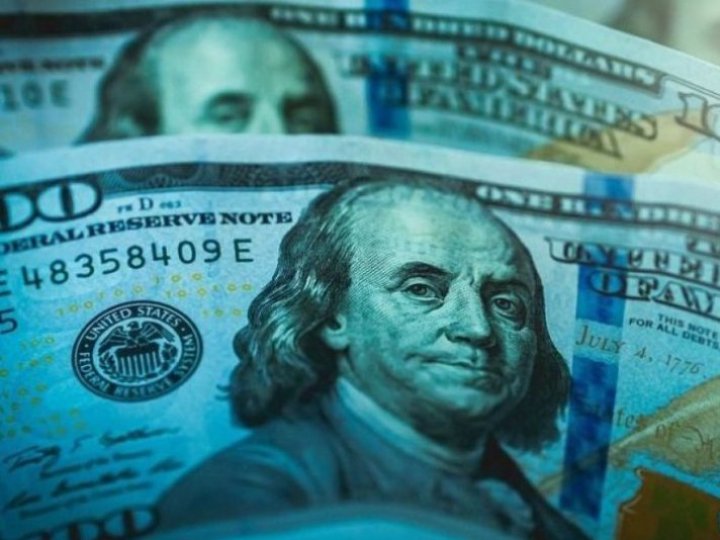
The foreign exchange market is entering the second half of August with no signs of a sharp shift in the trend. According to the banker’s forecast, the dollar will continue to fluctuate within a relatively narrow range.
Taras Lesovyi, director of the Department of Financial Markets and Investment Activities at Globus Bank, spoke to RBC-Ukraine about the factors that will influence the hryvnia exchange rate and whether to expect an increase in demand for foreign currency, writes "Komersant Ukrainian".
Despite the traditional seasonal increase in pessimistic forecasts for the fall and winter, Ukraine’s currency market is still showing signs of relative stability. According to Taras Lesovyi’s estimates, between August 17 and 23, the dollar exchange rate on the interbank market will range from 44.6 to 45.2 UAH, while the euro exchange rate will range from 51 to 52.5 UAH.
Watch us on YouTube: important topics – without censorship
At the same time, the expert draws attention to a psychological factor that could influence public behavior.
“In August 2026, this narrative is gaining momentum again. However, there is a significant gap between emotional forecasts and actual exchange rate movements,” Lesovyi noted.
According to him, intense Russian shelling, damage to infrastructure, and general uncertainty may worsen public sentiment. Under such conditions, some citizens buy foreign currency not for investment purposes, but for a psychological sense of security.
“The dollar is often perceived not as an investment, but as an emotional ‘safe haven.’ People buy foreign currency not because they’ve calculated the potential return, but because they’re seeking to at least partially regain a sense of control over their own savings,” the banker explained.
As a result, short-term spikes in demand are possible on the cash market. In such situations, currency exchange offices typically raise the selling rate and widen the spread between the buy and sell rates.
However, Lesovyi emphasizes that such fluctuations do not signal the formation of a new trend. The National Bank will continue to play a key role.
“The ‘managed flexibility’ regime allows the NBU to smooth out excessive exchange rate movements without pegging the hryvnia to a single fixed rate,” he noted.
The expert cites the increase in the discount rate to 15.5% as an additional factor supporting the hryvnia, as it makes hryvnia-denominated instruments more attractive for savings.
According to the banker’s estimates, six-month deposits with an interest rate of about 17.5% per annum could become an alternative to buying foreign currency for a portion of the population.
“According to our estimates, attractive hryvnia deposits could draw in up to 20–25% of citizens’ available savings. A portion of the funds that might otherwise have entered the cash foreign exchange market will remain within the banking system,” Lesovyi believes.
At the same time, importers—particularly companies purchasing energy resources and fuel—may put some pressure on the foreign exchange market. Due to the unstable situation on the global oil market, they may be more actively building up their foreign exchange reserves.
Despite this, the expert does not expect a significant weakening of the hryvnia in the near future.
“The main challenge in the coming weeks will be not so much a real change in the economic situation as the struggle between the numbers and market sentiment. The numbers so far point toward relative stability,” he concluded.
Read us on Telegram: important topics – without censorship