Ukrainian supermarkets are buying fruit from a company with Russian ties, according to media reports
13 June 08:16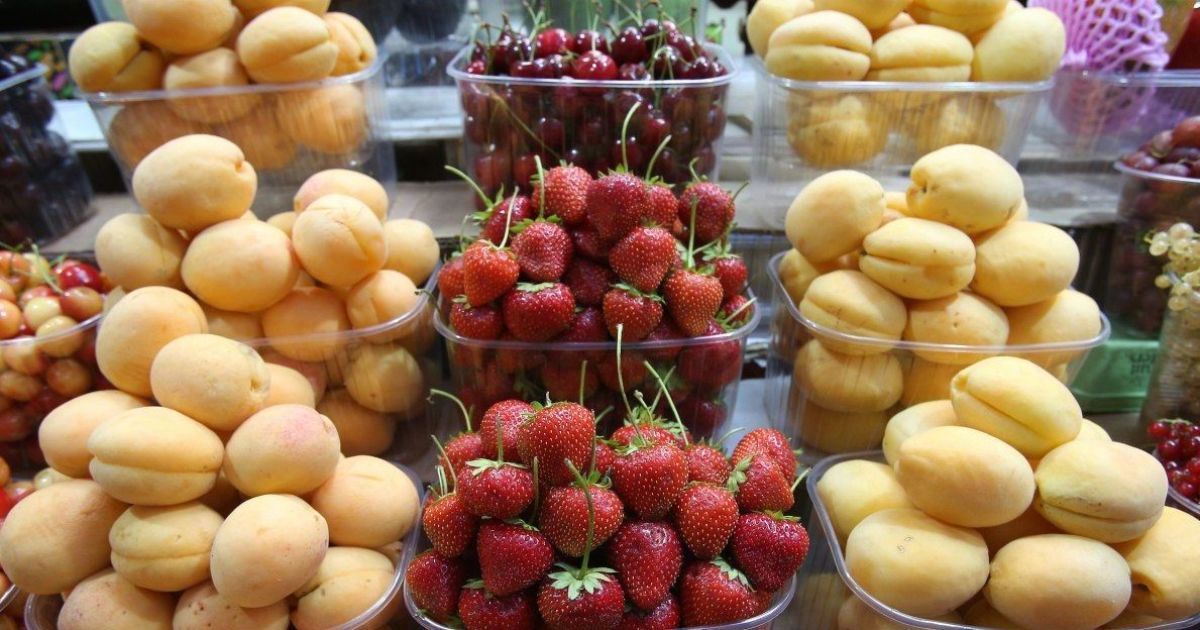
Following the restrictions that Russia imposed in late May – in early June 2026 on imports of certain fruit and vegetable products from Armenia, Armenian exporters found themselves in a situation where they urgently needed to seek alternative markets.
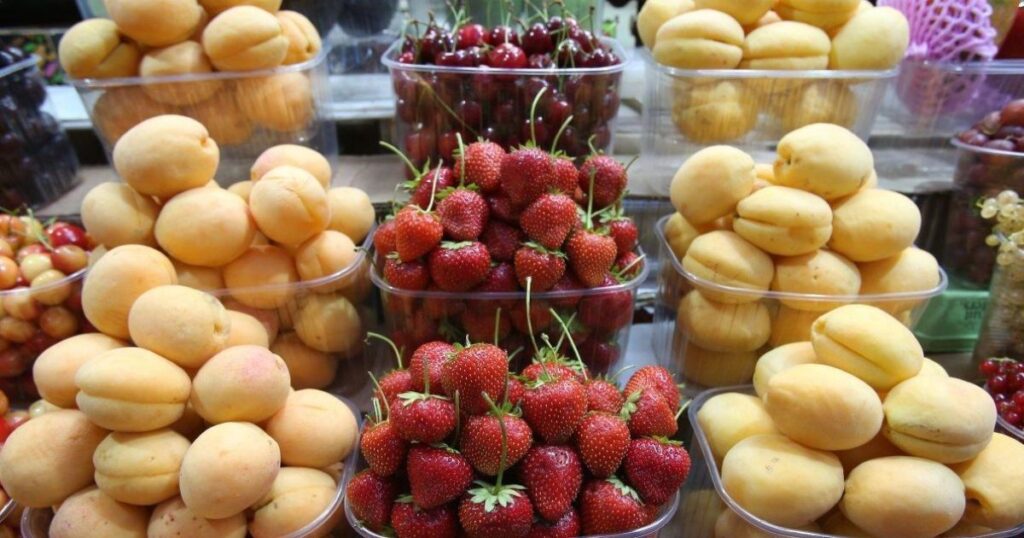
Specifically, starting May 30, 2026, Rosselkhoznadzor restricted imports from Armenia of fresh tomatoes, cucumbers, peppers, herbs, and strawberries. And starting June 2, according to reports by Russian media citing the regulator, the restrictions were also extended to stone fruits—cherries, sweet cherries, apricots, plums, peaches, and nectarines—as well as fresh grapes.
For the Ukrainian market, this could mean the arrival of additional volumes of imported produce at the height of the season. According to EastFruit’s market sources, the Armenian company “Spika” is among those actively offering products to Ukrainian buyers. According to market participants, these are offers of fruits and vegetables at very competitive prices, with the possibility of deferred payments, reports "Komersant Ukrainian".
The mere fact that an importer has entered the Ukrainian market is not a violation. However, in the case of suppliers who have or had ties to Russian jurisdiction, operated in the Russian market, or were involved in regulatory issues regarding product origin, Ukrainian retail chains must conduct particularly thorough checks.
Why this issue is important for Ukrainian retail
After 2022, for Ukrainian businesses, issues regarding the origin of goods, a supplier’s ownership structure, its ties to Russia, and the potential presence of products in temporarily occupied territories ceased to be purely formalities.
For supermarkets and distributors, this is no longer just a matter of price or product availability. It is a matter of reputational security, sanctions sensitivity, consumer trust, and responsibility toward Ukrainian producers.
This is particularly relevant for the fruit and vegetable market, where seasonal imports at very low prices can put additional pressure on the Ukrainian sector and drive down prices.
What is known about the Russian connection
According to data from public Russian business registries, the company OOO “SPAIKA-RUS,” TIN 7715870580, OGRN 1117746459830, registered in Moscow, appears in the Russian Federation. The Audit-it service lists David Vengerovich Kazaryan as the company’s owner, who is also linked to the Armenian company “Spika.” Similar information regarding the founder is also found in the profiles of other Russian business registries, including Kontur.Focus.
This does not automatically constitute a violation of Ukrainian law. However, for Ukrainian retail after 2022, this is no longer a neutral detail. A company operating in the Russian Federation pays taxes to the budget of the aggressor country.
Open sources also mention products under the Sambiel brand, which is linked to “Spika.” In particular, the company itself reported on its website about investments in the production of Sambiel cheeses, and Russian e-commerce platforms and retailers list Sambiel products with “Spika” indicated as the manufacturer. “Spika” products under the “SAMBIEL” brand are sold in the temporarily occupied Crimea. There are numerous reviews and advertisements regarding this product in open sources. Since the company has its own fleet of 320 refrigerated trucks, it is quite likely that the company’s trucks have repeatedly crossed Ukraine’s internationally recognized state border, although we have no documentary evidence of this. But this is a very important question to ask anyone who wants to do business with a company like this in Ukraine.
The company “Spika” has also previously been mentioned in public reports related to suspicions of possible re-export of products. One of the most telling incidents involved tomatoes in 2018. Following Russian restrictions on imports of Turkish tomatoes, Rosselkhoznadzor warned of the risks of Turkish products being supplied under the guise of Armenian ones. In this context, reports explicitly mentioned the companies “Spika” and “Greenproduct.” In particular, the ARKA agency reported that, according to Russian authorities, these companies imported nearly 2,000 tons of tomatoes over six days, raising suspicions of possible re-export. This is a significant episode not because it proves guilt on its own. Formally, publicly available materials refer specifically to suspicions and investigations, not to a final verdict or established violation. But market experts fully understand whether it could be a mere coincidence that there was a sharp increase in tomato exports from Armenia just as the Russians, for political reasons, imposed a ban on the export of this product from Turkey.
For Ukrainian supermarkets, this should be sufficient to classify such a supplier as high-risk. This means requiring the supplier to provide a full set of documents: certificates of origin, phytosanitary documents, logistics documents, information about producers, packaging facilities, and delivery routes.
Tax Issues in Armenia
Another factor that may be relevant for risk assessment is the tax case in Armenia. In 2019, the State Revenue Committee of Armenia accused “Spike” of causing the state losses amounting to over 7 billion drams, or more than 14 million U.S. dollars, due to alleged evasion of taxes and customs duties. According to the Armenian government agency, goods from various European countries, including Poland and Belgium, were imported into Armenia via Georgia, but different data was used when submitting documents to customs. At the same time, the company’s director, David Kazaryan, publicly rejected these allegations, stating that the amount had been artificially inflated and that the claims pertained to another company—“Greenproduct.” For retailers and large buyers, the mere existence of official allegations from a government agency is a reputational factor that should be taken into account when evaluating a potential supplier.
Political and Sanctions Context
Some Armenian media outlets have also reported on possible political ties surrounding “Spayka.” At the same time, for Ukrainian businesses, even indirect political or jurisdictional ties to Russia have become a sensitive issue since the start of the full-scale war. This is especially true for a supplier planning to work with Ukrainian retail chains, receive payments from Ukrainian buyers, and compete with Ukrainian manufacturers during the season.
When sourcing products from companies with a similar profile, Ukrainian supermarkets and distributors should not limit themselves to standard checks of price, quality, and certifications.
A minimum list of questions for the supplier should include:
- whether the company has active or affiliated legal entities in Russia;
- whether taxes or other payments are made within Russian jurisdiction;
- Are the company’s products or its brands present in the temporarily occupied territories of Ukraine?
- what documents confirm the country of origin of the products;
- Who exactly is the manufacturer, packer, and exporter of the goods;
- What route is used to deliver the products to Ukraine?
- whether the company has faced regulatory claims related to customs documents, re-export, or product origin.
For Ukrainian buyers, affordable and high-quality fruits and vegetables are important, but it is unlikely that consumers will use their own money to support a company linked to the aggressor country. Furthermore, according to official Russian sources, “Spika” has significant debts to the aggressor country’s budget. If the Ukrainian market becomes a lifeline for this business, it is highly likely that the money earned in Ukraine will end up in Russia’s budget.