CHP-5 Under Fire: How Russia’s Attack Has Exacerbated the Energy Crisis in Kyiv
13 January 20:44
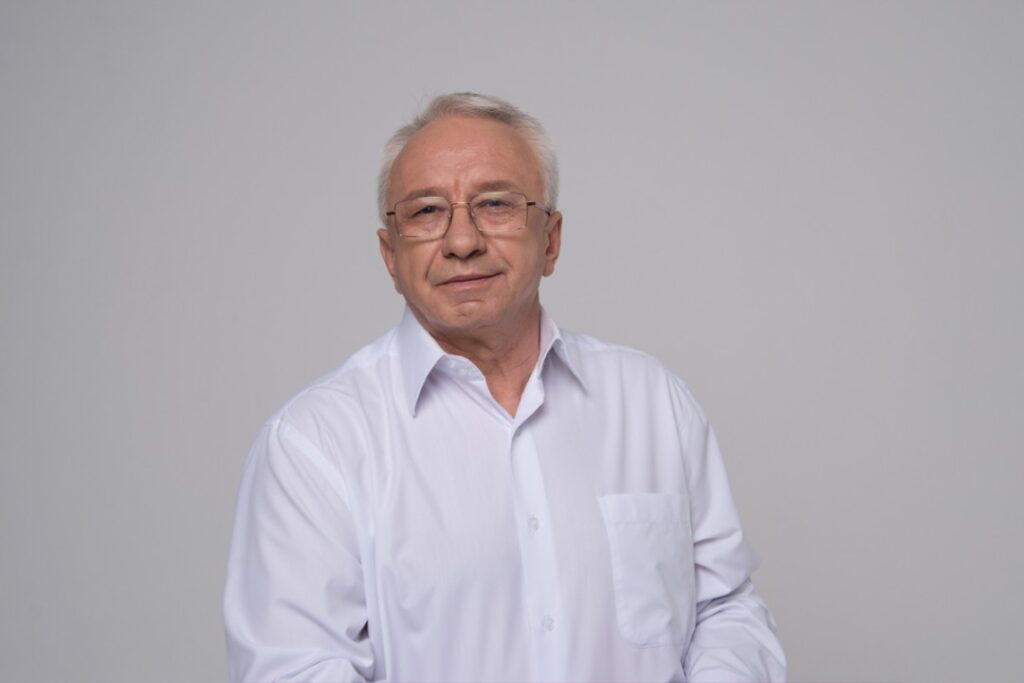
Russia launched a precision missile strike on Kyiv Thermal Power Plant No. 5—one of the capital’s key power grid facilities. According to MP Oleksiy Kucherenko, five missiles struck the facility, causing serious damage and drastically worsening the city’s heat and electricity supply situation.
The first deputy chairman of the parliamentary committee on energy stated this on the Apostrophe TV channel, reports "Komersant Ukrainian".
A Targeted Strike and Its Consequences
According to Kucherenko, the attack was deliberate:
“They knew exactly where to strike. And the damage is such that it will be very difficult to restart the heat supply.”
CHP-5 provides heat to a significant part of Kyiv—the Pecherskyi and Holosiivskyi districts, Lybidska, and Teremky. Due to equipment damage and the complex network of pipelines, a rapid restoration of heat supply is extremely difficult.
As of the evening of January 13, hundreds of buildings remain without heat. According to various estimates, this involves 500–800 apartment buildings in the central and southern districts of the capital.
“Manual control” instead of the system
Following the attack, energy and utility services effectively switched to crisis response mode. Kucherenko acknowledged that the system is operating in “manual control” mode to avoid large-scale failures.
The widespread use of electric heaters due to the lack of heat has led to an overload of the grids—both within buildings and citywide. As a result, emergency power outages have begun, which dispatchers are forced to manage literally at the neighborhood level.
“There’s no light because there’s no heat. Everyone is trying to stay warm—the grid gets overloaded, and emergency outages occur,” the deputy explained.
Kyiv as a Priority Target
According to Kucherenko, the capital remains one of Russia’s main targets. Massive attacks on energy infrastructure aim not only at physical destruction but also at destabilizing life in the metropolis during the winter.
The nighttime attack on January 13 was a combined operation: in addition to missiles, drones were used. In the Solomyanskyi district, a strike on a non-residential building and falling debris near a residential building were recorded, causing fires.
The strike on TPP-5 was part of a larger-scale attack on Ukraine’s energy infrastructure. As of the morning of January 13, significant power outages were reported in Kyiv and seven other regions. In a number of regions, scheduled power cuts were canceled and emergency consumption restrictions were imposed.
In Kyiv, the situation has become so dire that some major retail chains have temporarily closed individual stores. Mayor Vitali Klitschko acknowledged a power shortage even for critical infrastructure.
Utility and emergency services are working “house by house,” and authorities report slow but positive progress in restoring heat. At the same time, the Ministry of Energy is not making any predictions regarding the timeline for fully restoring power in the capital.