Trump Announced the Reopening of the Strait of Hormuz: What This Means for the Global Oil Market
4 August 06:54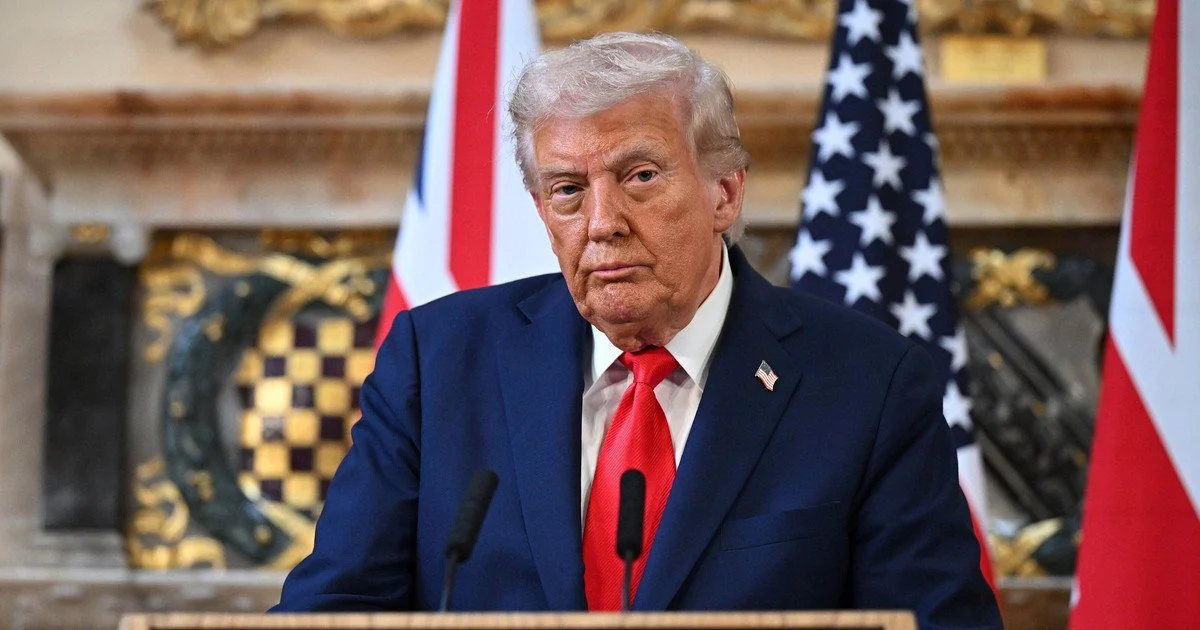
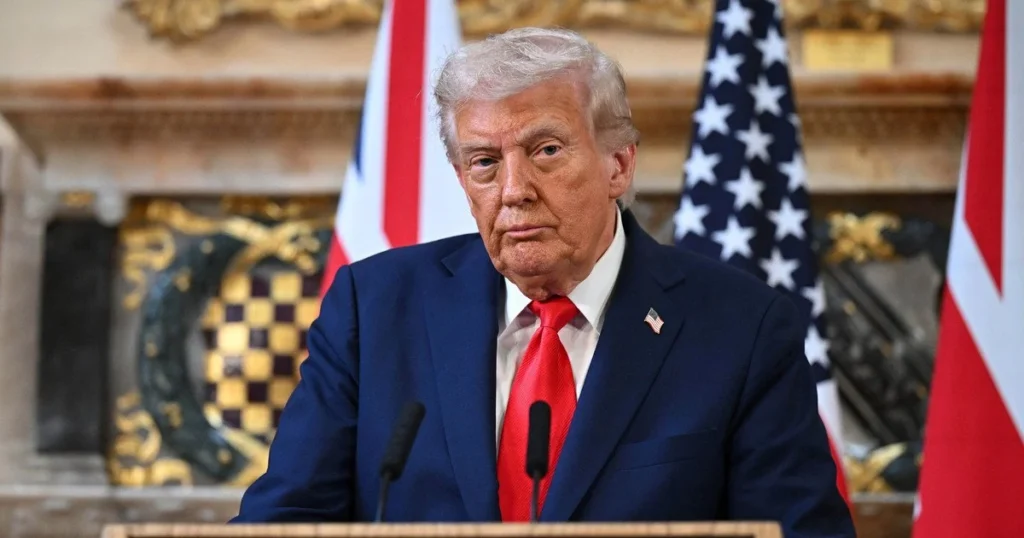
U.S. President Donald Trump stated that full-scale shipping in the Strait of Hormuz could resume as early as August 4. According to him, negotiations with Iran are progressing rapidly, and the issue of ship passage is one of the key points of the current agreements.
This was reported by "Komersant Ukrainian", citing a statement by the U.S. president.
What Trump Said About the Strait of Hormuz
During a press briefing at the White House, Donald Trump announced that the parties are working to ensure free navigation through the Strait of Hormuz as early as August 4.
According to the U.S. president, Washington has established full control over this strategic maritime route and will not allow Iran to charge fees for the passage of ships.
“We control the Strait of Hormuz and will not allow anyone to charge for its use,” Trump said.
Read us on Telegram: important topics – without censorship
After the Strait of Hormuz—Negotiations on the Nuclear Program
The U.S. leader noted that once the issue of shipping is resolved, the negotiations will move on to the next stage—discussions on Iran’s nuclear program.
According to Trump, the negotiation process is currently “not very difficult,” but he emphasized that this is a decisive moment for Tehran.
Trump Threatened Iran with a Large-Scale Attack
The U.S. president also made a strong statement regarding the possible consequences should the agreements fall through.
He expressed hope that Iran’s leadership would agree to the proposed terms, calling the current stage of negotiations “the last chance” to avoid a large-scale U.S. strike.
According to Trump, members of Iran’s top military and political leadership could become potential targets.
Why the Strait of Hormuz Is Strategically Important
The Strait of Hormuz is one of the world’s most important maritime transport corridors. A significant portion of global exports of oil and liquefied natural gas from the Persian Gulf countries passes through it.
Any restrictions on shipping or escalation of tensions in the region could directly affect global oil prices, logistics, and global energy markets.
Watch us on YouTube: important topics – without censorship