Three Reasons Why the West Is Delaying the Delivery of Anti-Ballistic Missiles
11 August 15:03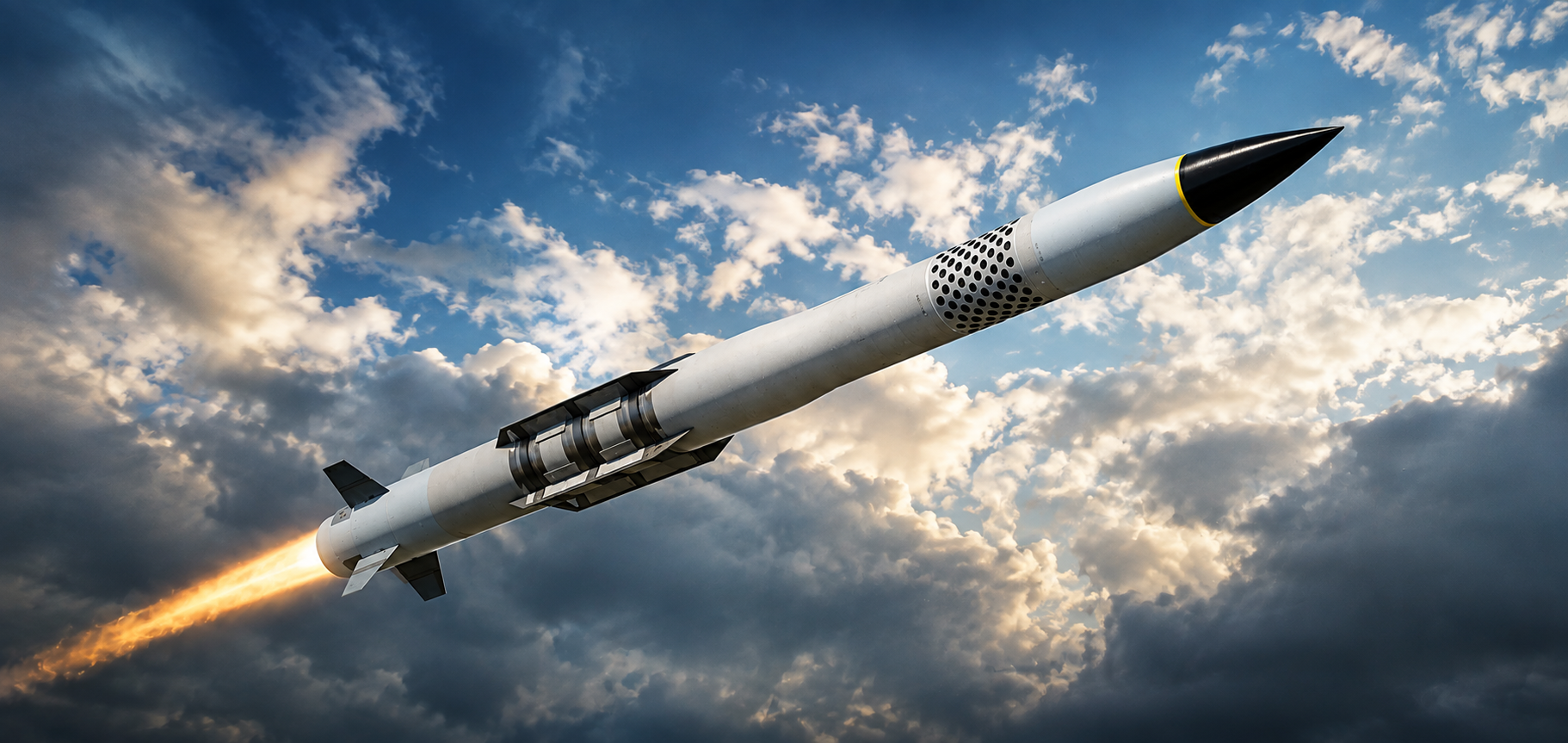 ANALYSIS
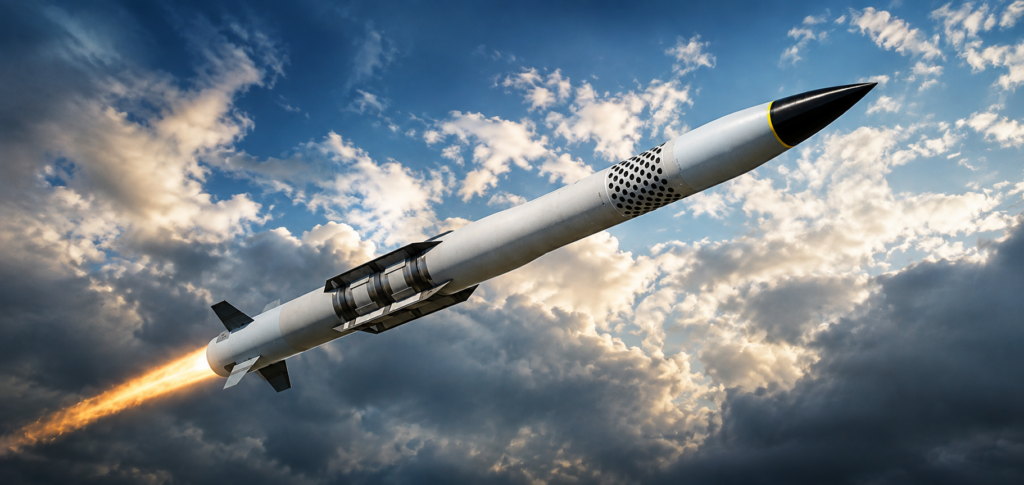
Disposed of after their expiration dates, scattered across secret bases from the Pacific Ocean to Europe, and burned during military exercises—for decades, the U.S. built the world’s most powerful arsenal, which is now being depleted at a record pace. The escalation in the Middle East triggered by Iran’s attacks has finally laid all the cards on the table: modern warfare is consuming anti-ballistic missiles faster than the defense industry can produce them. Meanwhile, as Washington counts its strategic reserves, Ukraine is paying the highest price—our cities remain defenseless against enemy ballistic missiles, and people are dying every day because of this shortage. Where are the American missiles, and what are the real reasons for the delays? Find out in this article
Should Ukraine Expect Large Shipments of Missiles for the Patriot System?
Western partners are forced to slow down the transfer of missiles to Ukraine for the Patriot air defense systems due to their own security risks and limited production rates. This was stated by Valery Borovik, a veteran of the Russia-Ukraine war and founder of the defense contractor First Contact, in a comment to "Komersant Ukrainian".
Watch us on YouTube: important topics – without censorship
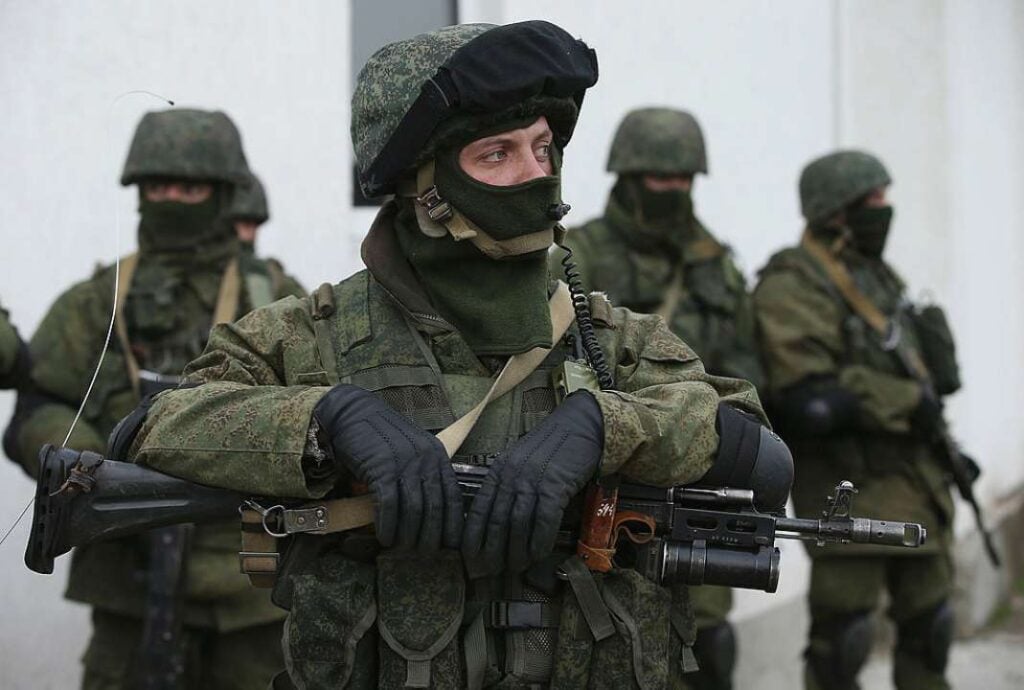
According to the expert, Western intelligence agencies are increasingly warning of possible Russian provocations and attacks on the Baltic states.
“Russia is ‘stuck’ in Ukraine, and it needs to take the next step: either break through the front line—which is effectively impossible for it at this point—or expand it—through Belarus or by staging provocations in the Baltics to gauge NATO’s reaction,” Borovik noted.
It is precisely these trends that are forcing the allied defense ministries to be more cautious about depleting their own arsenals. Even those countries that intended to transfer weapons to Ukraine are being forced to slow down this process.
An additional limiting factor is the limited capacity of the defense-industrial complex. The production of missiles by companies that own the technology has not yet reached the necessary scale. Despite the construction of new factories and the expansion of production lines, this is a long-term process that cannot quickly meet current needs.
“It’s not worth counting on a very large number of missiles this year. However, diplomats, the military, and government leaders are all working hard to resolve this issue,” emphasized the founder of First Contact.
Why Patriot Missiles Are Not Reaching Ukraine
Delays in the delivery of ammunition for the Patriot air defense systems to Ukraine are caused not only by bureaucracy but also by the geopolitical concerns of the countries that own them, their own security risks, and the Western defense industry’s lack of preparedness for a protracted war. Grigory Tamar, an Israeli military expert, military historian, and reserve officer in the IDF, identified three main reasons for the shortage and the state of global missile stocks.
The first is fear of Russia’s reaction. Some states (particularly Third World countries) do not wish to strain relations with Russia and avoid direct deliveries. However, this problem can be addressed through intermediary countries.
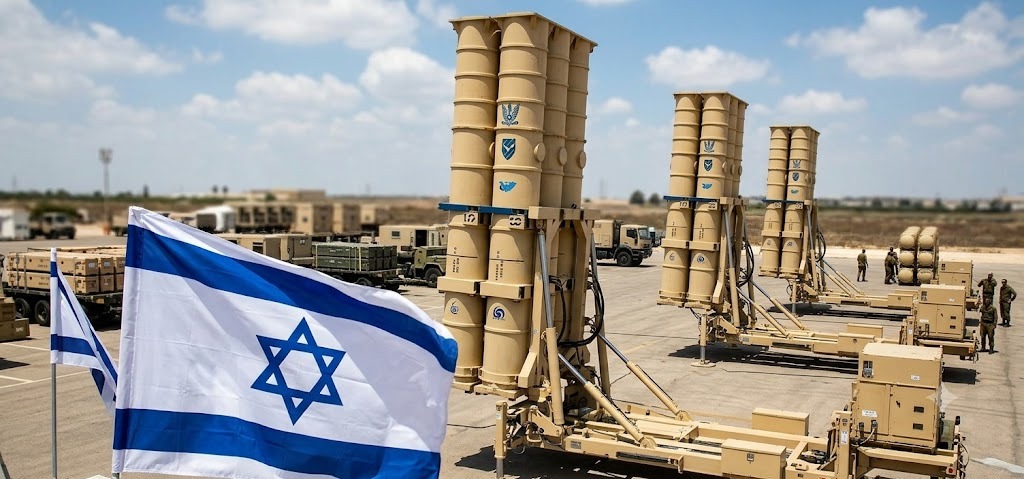
“When the U.S. asked Israel to transfer Patriot launchers and missiles—which had long been stored in Israeli warehouses—to Ukraine, Israel updated the software to meet modern standards and returned them to the U.S., which then transferred them to Ukraine. Russia could not formally express its outrage to Israel, since, technically, the transfer was carried out by the U.S.,” Tamar noted.
The second reason is national security and the threat of new conflicts. Countries located in tense regions do not risk remaining unprotected. For example, Taiwan, facing the threat of a Chinese invasion, or South Korea, due to risks from North Korea, cannot afford to give up their own anti-missile systems.
The third reason is a lack of political goodwill. Some countries simply lack the political will to help Ukraine, so the key task for Ukrainian diplomacy and intelligence is to find countries that are friendly toward Ukraine and have the necessary resources to sell or transfer, Tamar adds.
What’s Happening with Missiles in the U.S. and the West
Commenting on Donald Trump’s contradictory statements—that the U.S. has “a lot of missiles” one moment and “they need them for themselves,” the expert suggested that not even the president himself knows the exact numbers, since this information is strictly classified.
“Due to the high level of secrecy, not even the president himself knows the exact numbers regarding the actual arsenal. Over the decades, a significant portion of the arsenal has been dispersed around the world, decommissioned after reaching the end of its service life, or expended during military exercises,” adds Tamar
The main problem, however, is that the Western defense-industrial complex failed to switch to “war footing” in time.
“It’s no secret that the European and American defense industries failed to make the necessary leap when they needed to. Europe has increased weapons production by only about 30% since the start of the full-scale war. Before the war, the use of Patriot missiles was extremely limited, but the protracted war in Ukraine has depleted the stockpiles accumulated over the years,” concluded Grigory Tamar.
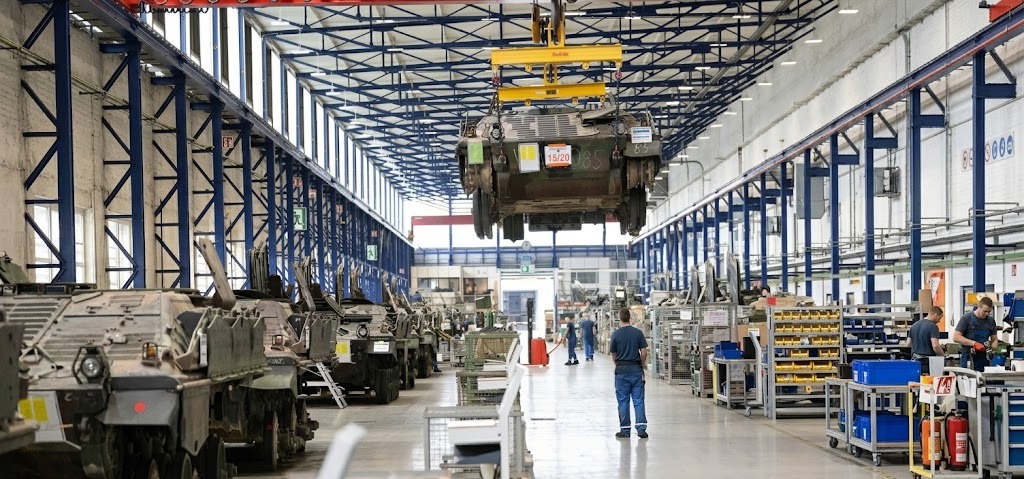
The latest missiles “off the assembly line”: The Navy assesses the enemy’s arsenals
Russian occupation forces continue to use expensive, high-precision missiles to shell Ukraine’s civilian and critical infrastructure, launching them virtually straight off the production lines. This was stated by Dmytro Pletenchuk, spokesperson for the Ukrainian Navy, while commenting on the large-scale attack on Odesa involving ballistic missiles, “Iskanders,” “Onyxes,” and hypersonic “Zircons.”
According to the Navy spokesperson, the misuse of expensive anti-ship weapons demonstrates the aggressor’s willingness to expend its last remaining resources to exert psychological pressure on Ukrainians.
“Hammering nails with a microscope is the Russians’ favorite national pastime. The main goal, of course, is to intimidate, to break the will of the people and their spirit of resistance. They’re ready to launch the very last ones straight off the assembly line, but they’ll do it,” emphasized Dmytro Pletenchuk.
In assessing the state of Russia’s missile stockpiles, the Navy notes that the occupiers are increasingly deploying the latest missile models, including the “Zircons,” which were only adopted into service in 2023. The production of these weapons is complex and labor-intensive and directly depends on the supply of scarce microelectronics, which significantly limits the pace of their manufacture.
“It is quite expensive to manufacture such missiles, especially given the large number of scarce, Western-made components,” emphasized a spokesperson for the Ukrainian Navy.
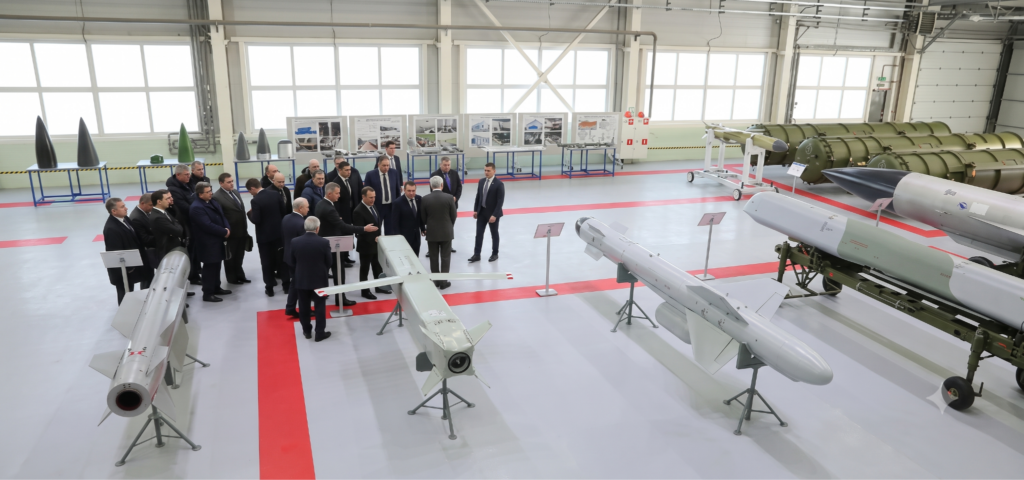
Despite significant damage to critical infrastructure in Odesa and temporary problems with electricity and water supply, such wasteful use of strategic missiles straight off the production line is incapable of changing the course of hostilities on the front lines. The Navy notes that the enemy’s main objective remains halting civilian shipping; however, the Defense Forces are already testing new countermeasures, including maritime interceptor drones to protect civilian vessels in the Black Sea.
Thus, delays in the delivery of anti-ballistic missiles are not merely the result of political will—or the lack thereof—but a consequence of the depletion of global stockpiles that were built up over many years. While the U.S. is forced to balance its own strategic reserves, fulfilling its commitments in the Middle East, and supporting its allies, for Ukraine this issue is measured not in timelines but in human lives. The only way forward is a radical acceleration of production, a reevaluation of global air defense logistics, and tough decisions by partners.
Read us on Telegram: important topics – without censorship