Three Scenarios for the End of the War in Ukraine: A Historian Weighs In on Which Is the Most Realistic
22 May 17:09 analysis
The war in Ukraine has reached a point where leading global financial institutions and military analysts are increasingly attempting to model possible outcomes for the bloodiest war in Europe since World War II. In their May report, analysts at the American bank JPMorgan Chase radically changed their outlook on Ukraine’s future, abandoning the pessimistic “Georgian” scenario in favor of the so-called “Finnish” one. At the same time, historians and military experts urge skepticism toward historical analogies, emphasizing the uniqueness of the current geopolitical situation and the Kremlin’s total unwillingness to negotiate. What key condition did the Finns have that we currently lack? How can we put the war on hold without legally acknowledging the loss of territory? And most importantly—what will allow Ukraine to regain its territory “without firing a single shot”? Read more in the article "Komersant Ukrainian".
Scenario One: “The Finnish Model”
Analysts at JPMorgan Chase, the largest bank in the U.S., are forecasting a scenario for Ukraine that draws on Finland’s historical experience following World War II. This plan involves the painful loss of some territories in exchange for preserving state sovereignty and a clear pro-Western development course. Although Kyiv’s position has recently improved thanks to increased European support and progress on Western security guarantees, American analysts call these achievements “precarious” and believe the outcome will be decided at the negotiating table as early as this year.
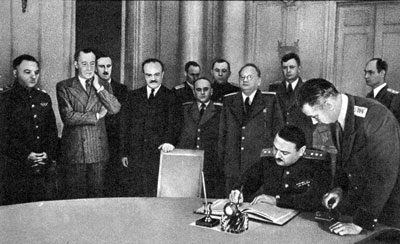
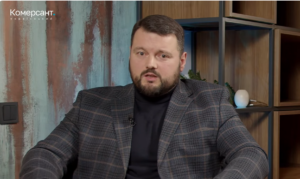
Drawing an analogy with 1944, when Finland ceded about 10% of its territory to the Soviet Union but retained its independence and achieved prosperity, the bank’s analysts consider such a compromise realistic. However, IDF Reserve Officer Grigory Tamar is convinced that such a comparison is fundamentally flawed, as the historical context is radically different.
“In 1944, when Finland withdrew from the war, the idea was this: Finland would agree to certain territorial losses, guarantee neutrality, and limit its armed forces, but retain its independence and political sovereignty. It seems like a reasonable compromise. But there are two major differences. In 1944, the Soviet Union, with the help of its Western allies, was achieving an unconditional and decisive victory in the war. Russia is not achieving an unconditional victory in the war,” explains Grigory Tamar.
In addition to the aggressor’s lack of total superiority, the expert points to another key factor from the past—the genuine willingness of world leaders to defend agreements by force.
“Finland’s neutral status was guaranteed not only by statements from the Finnish government but was effectively guaranteed by powerful Western powers. In other words, Britain and the U.S. were prepared to defend this neutral status by force of arms,” emphasizes Grigory Tamar.
Under current conditions, with Russia displaying maximum aggression, the “Finnish” path of voluntarily limiting the army appears to be a deadly trap for Ukraine.
Watch us on YouTube: important topics – without censorship
Scenario Two: The “Korean Option” or a Freeze
The second scenario, which has long been discussed behind the scenes in global diplomacy, is the Korean option, which involves freezing the status quo and a ceasefire without signing a full-fledged peace agreement. Many see this as an opportunity to stop the daily deaths and destruction. Although a significant portion of society, exhausted by years of war, might consider a halt to hostilities along the line of contact, this scenario is derailed by the Russian Federation’s real ambitions.
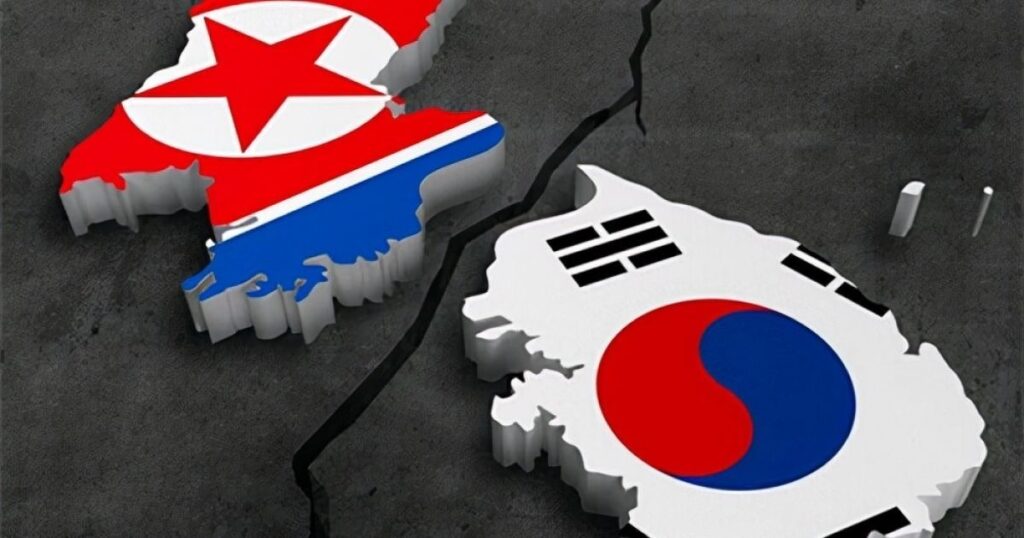
As Hryhorii Tamar notes, the Russian leadership seeks not merely to freeze current positions but is making additional territorial demands that are strategically unacceptable for Ukraine’s security.
“If tomorrow, let’s say, there were a proposal to freeze the conflict along the front line, a significant portion of Ukrainians would likely agree to it. But Putin isn’t ready for that. Putin is ready to freeze the conflict along the front line plus the Donbas. This is the most important geographical point from a military standpoint, if you will. That is why I think neither a Finnish nor a Korean-style solution is possible here. Because Russia, in this case, is not a party capable of reaching an agreement,” says Tamar.
The military analyst and historian emphasizes that from a military and logical standpoint, there is no justification for ceding to the enemy territories that were held through the superhuman efforts of the Ukrainian army, especially when the aggressor itself is in a state of exhaustion.
“Why should Ukraine cede Donbas, the most crucial element of your state’s defense, if it has defended it? To an aggressor who is barely standing. Especially since Russia has demonstrated its unwillingness to adhere to the agreements it signs in the long term,” notes Grigory Tamar.
Scenario Three: “The Taiwan Model”
The third scenario, the most intricate from a legal and strategic standpoint, is the so-called Taiwan model. It allows for a de facto ceasefire along the current line of demarcation to provide a respite and facilitate the country’s recovery, but categorically excludes any official or legal recognition of territorial losses by Kyiv. This preserves Ukraine’s long-term international right to reclaim its lands in the future, once the balance of power in the region shifts.
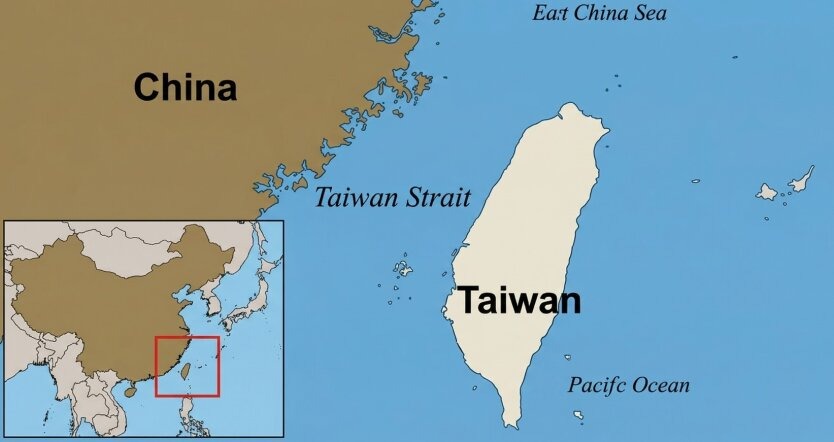
Grigory Tamar considers this path the only acceptable one if Ukraine is forced to take a tactical pause in hostilities, as it leaves a window of opportunity to restore justice without violating international law.
“Take Taiwan—this is very important here. The Americans, let’s say, and the Chinese say: please, Taiwan, remain independent, just don’t speak about it openly. Ukraine can agree to a ceasefire along the front line, but it must never formally recognize the occupied territories as Russian under international law. Why? Because tomorrow a civil war will break out in Russia, and Ukraine can reclaim what is rightfully hers without firing a single shot. But if it recognizes this, it will already be considered an occupation. Ukraine, unlike Russia, strives to live by international law,” – Grigory Tamar.
Despite the fact that JPMorgan Chase analysts note a shift in trends from the threat of a complete loss of sovereignty (the previous “Georgian” forecast) to the preservation of statehood, the desk-bound models of major banks often fail to account for the psychology of dictatorial regimes and the actual state of affairs on the battlefield. No compromise scenario will work with an enemy that does not respect signed agreements and views any negotiations merely as a tactical pause to prepare the next strike.
Ukraine remains in a situation where international law, military resilience, and a refusal to make legal concessions are the only effective tools for preserving the state in the long-term historical perspective.
Read us on Telegram: important topics – without censorship