Russia has begun imposing price caps on gasoline due to the fuel crisis
16 August 04:11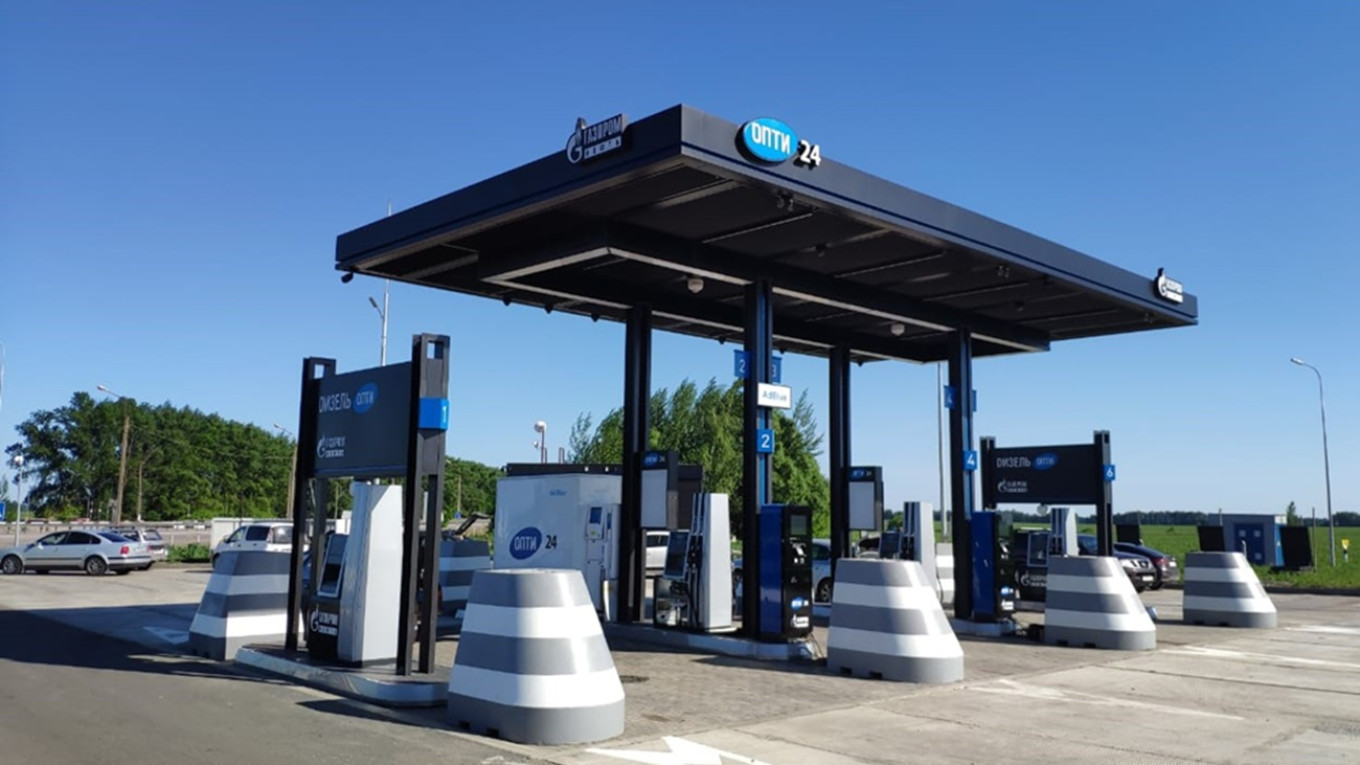
Following another series of Ukrainian strikes on oil refineries and the worsening fuel crisis, price caps on fuel have begun to be imposed in Russian regions. This is reported by "Komersant Ukrainian", citing Russian propaganda media.
On August 14, authorities in Novosibirsk announced that they had reached an agreement with oil traders and regional gas station chains to set a maximum markup on fuel. The markup will not exceed 15% of the wholesale price.
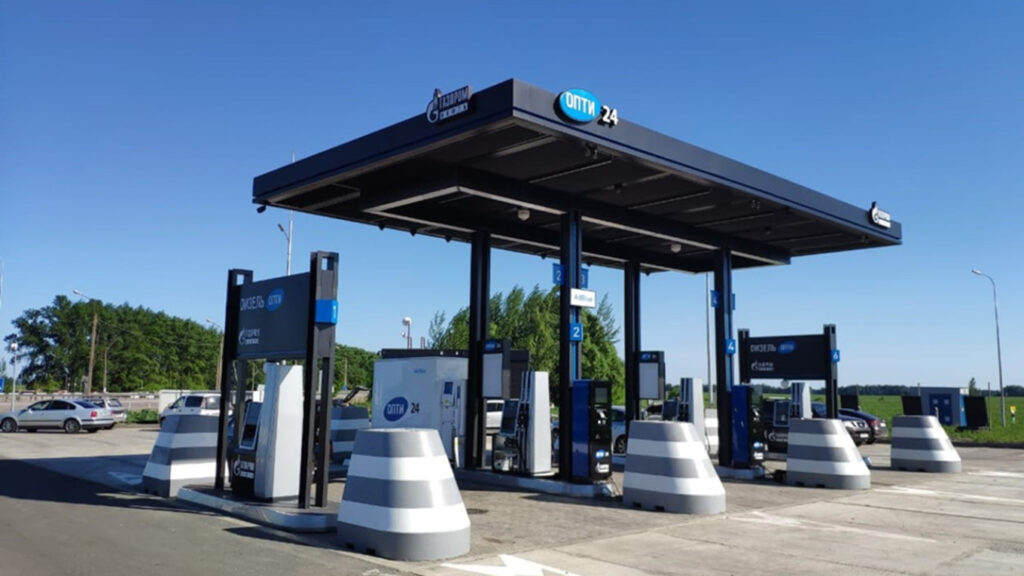
It is noted that this is the first such agreement in the Russian Federation and it will remain in effect until November 15, with the possibility of extension. The first participants in the pilot program were gas stations belonging to the “Energia” and “OPTI” chains.
On August 4, in occupied Crimea—where unrestricted sales at gas stations had been temporarily resumed—fuel prices soared to 195–270 rubles per liter for AI-92 and AI-95. The authorities announced the introduction of a strict cap—no more than 100 rubles per liter of AI-92—and were to announce price limits for other grades by mid-August. However, later on, Crimea resumed selling fuel via QR codes.
On August 15, Orenburg Governor Yevgeny Solntsev instructed the government to file a complaint with the regional office of the Federal Antimonopoly Service (FAS) to “initiate additional checks on the validity of fuel prices.” Prior to this, the agency had conducted inspections in the region regarding propane, the price of which had risen 1.5 times over two months (to 42–45 rubles per liter).
The Orenburg Region is among those where, amid an acute fuel shortage, limits on gasoline and diesel sales at gas stations have been reinstated, in addition to other restrictions. Following the destruction by Ukrainian UAVs of the “Orsknaftorgsintez” with a capacity of 5.7 million metric tons per year, gas stations in the region are now limited to selling no more than 30 liters of AI-92 and AI-95 per vehicle. The limit for diesel is 60 liters in populated areas and 200 liters on highways. Filling fuel into jerry cans is prohibited.
The practice of “voluntary” fuel price caps in the Novosibirsk Region could be useful for other regions as well, said Sergey Latskikh, president of the Association of Independent Oil Traders of the Russian Fuel Union in the Novosibirsk Region “Sibir-PMM,” Sergey Latskikh.
“I believe this is a perfectly normal practice that will help stabilize regional markets directly,” he said. The spokesperson noted that this measure will help resolve the issue of “speculative prices” for fuel.
Watch us on YouTube: important topics – without censorship