Production of petroleum products in Russia has fallen to a record low: Rosstat has released the latest figures
23 July 15:12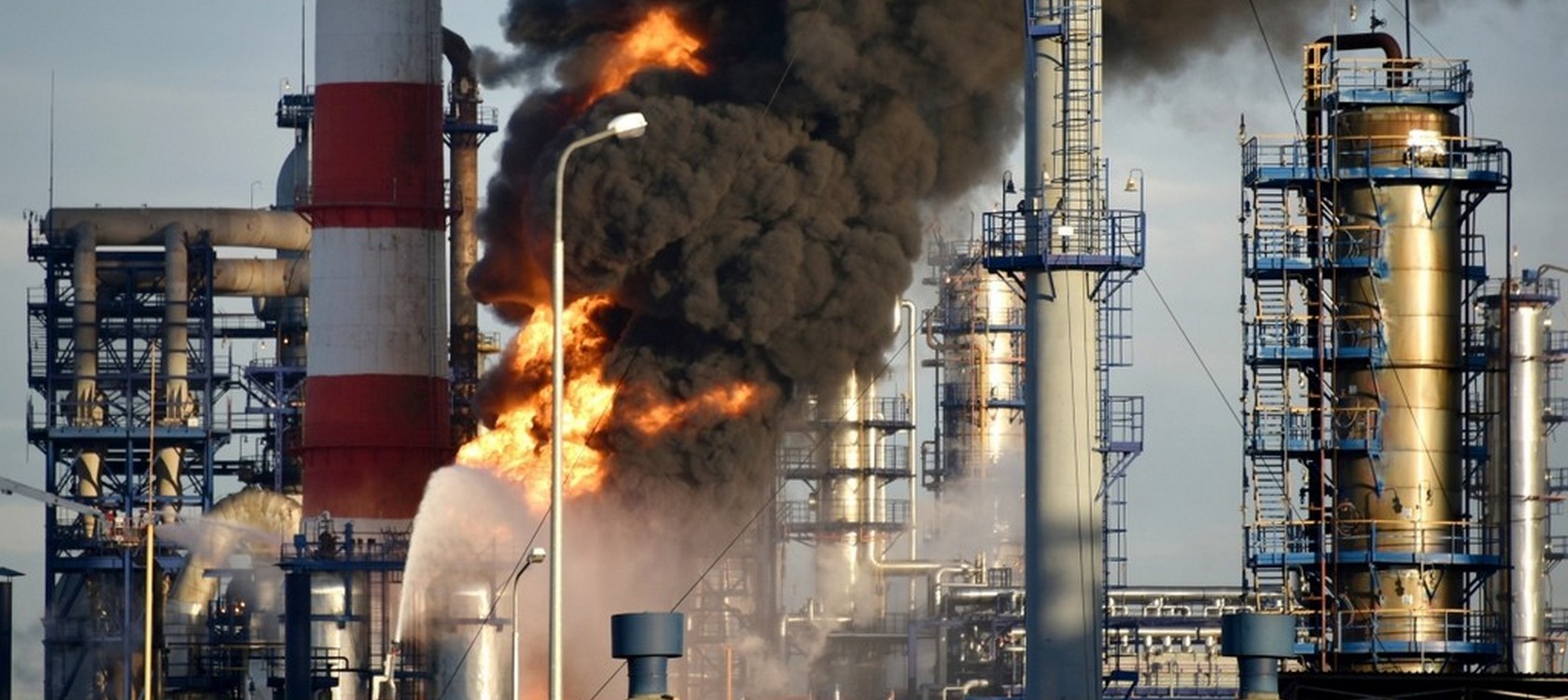
Production of petroleum products in Russia continues to decline rapidly. In June, it fell by another 12% and was 21.7% lower than a year ago, according to Rosstat’s report on industrial production. For the first half of the year, the decline totaled 7.7%. This is reported by "Komersant Ukrainian", citing Russian propaganda media.
The current collapse in petroleum products output is the sharpest since at least 2006, according to Rosstat data. In April, production of coke and petroleum products was 9.2% lower than last year, and in May, it was 13.5% lower.
Watch us on YouTube: important topics – without censorship
The slump in production has led to fuel shortages at gas stations and a spike in fuel prices. Over the past week (July 14–20), gasoline prices rose by 1.7% and diesel prices by 1.9%, Rosstat reported. Since the beginning of the year, prices for these fuels have increased by 18.3% and 20.2%, respectively.
The shortage has forced Russia to turn to importing gasoline and diesel fuel and to extend tax breaks to imported fuel. Deputy Prime Minister Alexander Novak speaks of a “partial stabilization” of the fuel market, but even the military has begun to restrict refueling of combat vehicles.
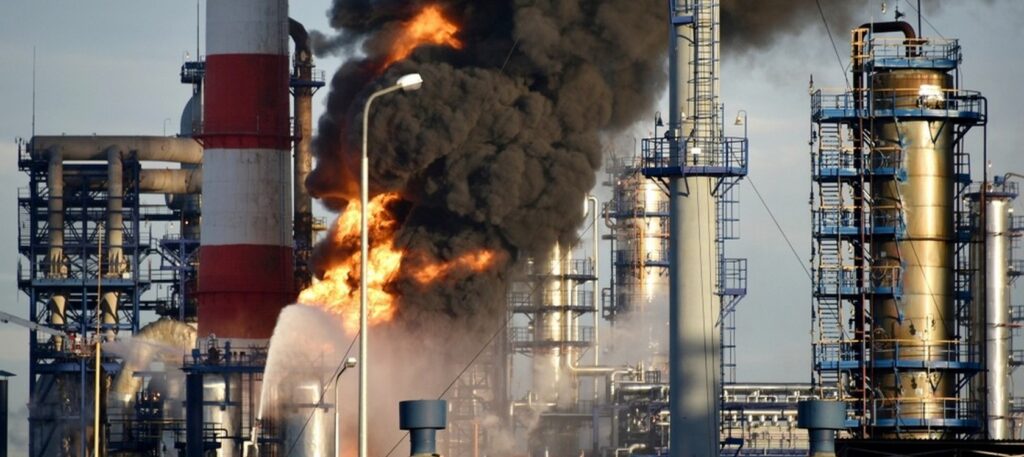
Ukrainian drone strikes on Russian oil infrastructure intensified in late March and knocked out up to 40% of diesel production capacity.
Sergey Aleksashenko, a leading expert at the NEST analytical center, estimated the lost oil refining capacity based on data on the volume of exchange-traded sales of petroleum products by Russian refineries (until July, they were required to sell 15% of their output on the exchange; the current requirement is 10%).
In June, sales amounted to 50–70% of last year’s levels, which suggests a loss of approximately 35% of capacity. For example, the Ryazan refinery, which has been attacked 15 times, has not participated in exchange trading since mid-May, while the Moscow refinery is selling about half as much as it did a year ago.
In July, attacks by Ukrainian drones continued; in particular, they damaged the Omsk Refinery, the country’s largest. Only about half of the refinery capacity damaged in recent months has been restored.
According to Kpler’s estimates, by mid-July, refining volumes at Russian refineries had fallen to a 21-year low. According to its calculations, 58% of Russian refining capacity has been targeted by attacks over the past year, and as of mid-July, 20–27% remained idle, as before.
Read us on Telegram: important topics – without censorship